dailynewsnblog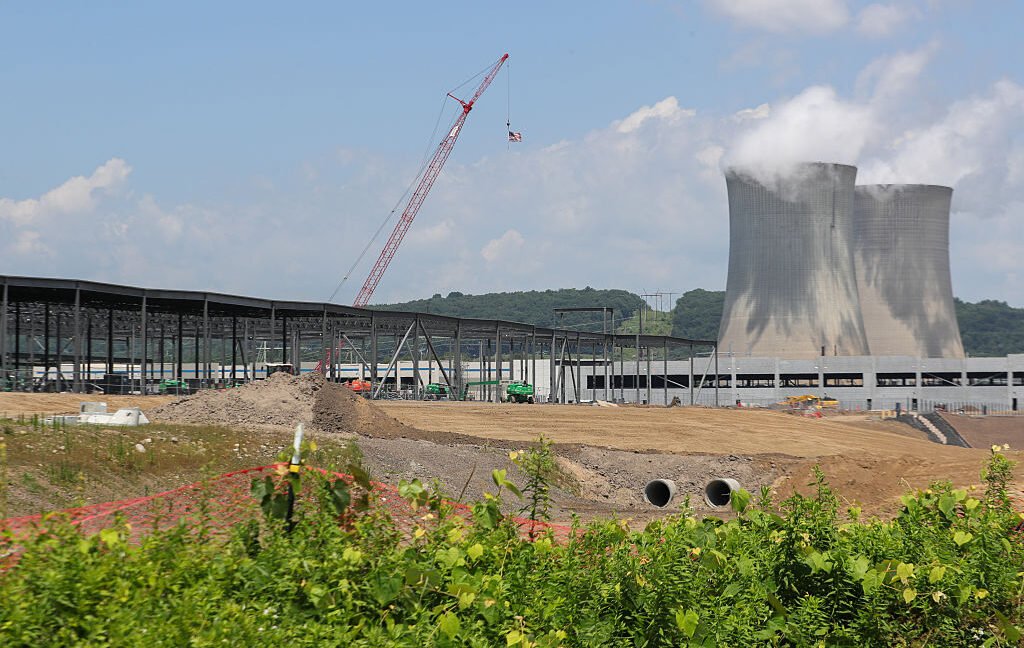
Last week, just before the US started its break for the July Fourth holiday, the Nuclear Regulatory Commission (NRC) proposed a new rule that would change how it regulated exposure to radiation. The Trump administration has been pushing to restart construction of nuclear power plants in the US, and many pro-nuclear advocates have been complaining about the US’s existing regulations, portraying them as the main barrier to the flourishing of the industry. So, it had seemed likely that major revisions were coming.
Instead, the NRC’s proposed new rules endorse the science behind its current rules and suggest that any problems are largely in the vagueness of the terminology that it has been using. So, instead, it’s endorsing standards that are meant to accomplish the same thing, but avoid using some of the language it had relied on. Probably the clearest indication of the evolutionary change at play is that the NRC estimates the changing rules will save industry—not just power, but also medical and research applications—only about $9.5 million a year.
LNT and ALARA
There are two technical abbreviations at the center of US nuclear regulations. The first is LNT, which stands for “linear non-threshold.” It’s in reference to the issue of whether there’s any level of radiation that is so low that it no longer produces harmful biological effects—the “threshold” in LNT. The “non-threshold” implies that it doesn’t, and that’s in keeping with biology, which has demonstrated that even single particles or photons of radiation can damage DNA and that the mechanisms cells have for repairing that damage are inherently error-prone. The “linear” in LNT simply describes how the impact of radiation scales directly with the dose.
Read full article
Comments