dailynewsnblog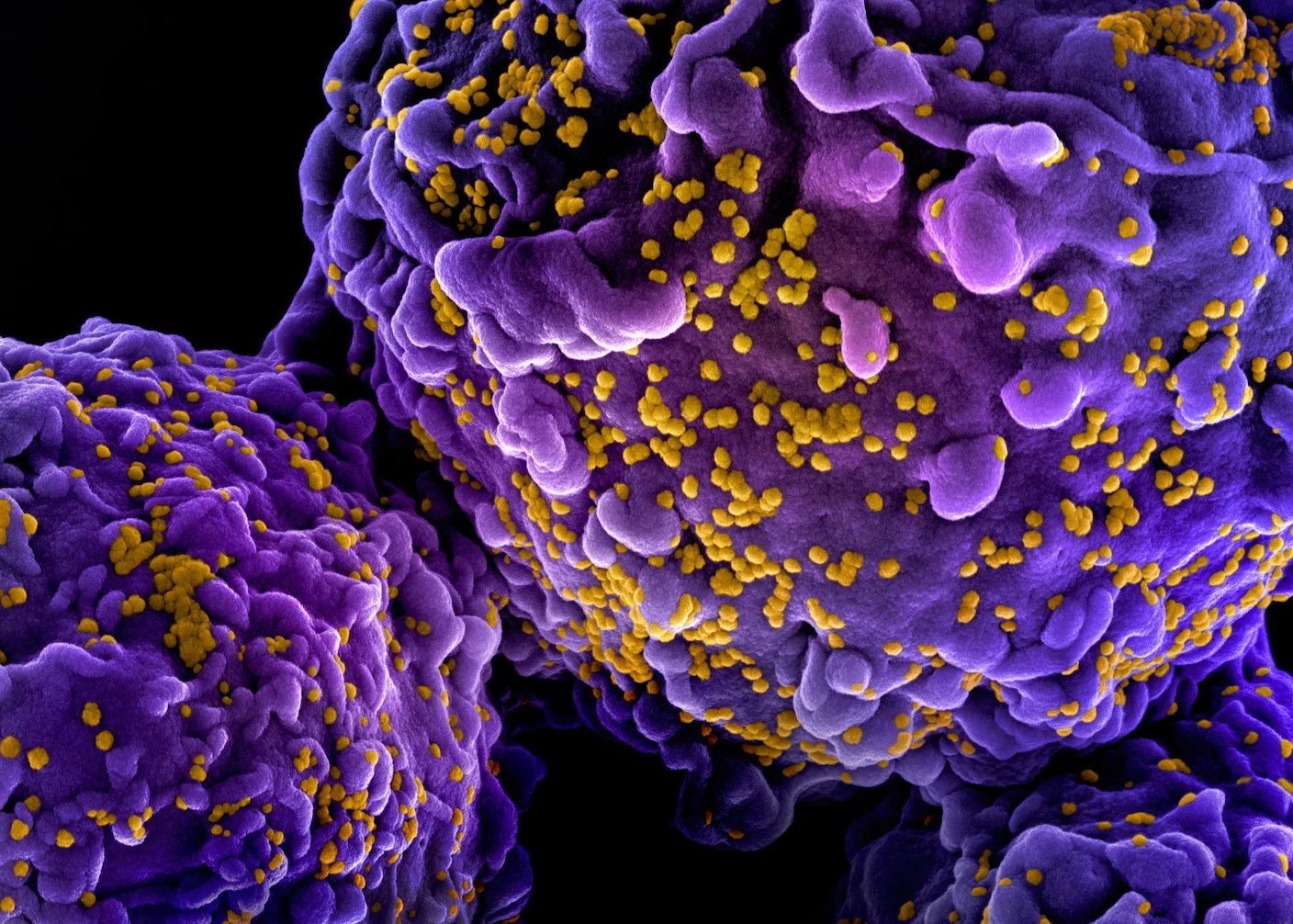
When the 63-year-old man received a bone marrow transplant from his brother, he got a two-for-one deal. The therapy was meant to tame a life-threatening blood disorder. But it also wiped out all signs of HIV, which he had been battling for 14 years.
Called the Oslo patient, he joins a small group of people with HIV who no longer need medication after a stem cell transplant. Four years later, the donor stem cells had completely overhauled his immune system, and there were no signs of lingering virus—even in hidden reservoirs that are notoriously hard to target.
His case is special. Previous successes in long-term remission had used donated stem cells carrying a mutation in the CCR5 gene. Called CCR5Δ32, this version of the gene blocks HIV’s ability to infect and destroy immune cells, rendering the virus incapable replicating. The Oslo patient carried one copy of the protective gene variant but was still infected. His donor brother, unexpectedly, had two copies.
In three months, the patient’s immune cells were clear of viral genetic material. Now, two years after ending antiviral medication, he is “having a great time” with more energy than he knows what to do with, study author Anders Eivind Myhre at the Oslo University Hospital told Agence France-Presse. “For all practical purposes, we are quite certain that he is cured.”
Sneaky Virus
Thanks to antiviral drugs, HIV is no longer a death sentence. And HIV preexposure prophylaxis, or PrEP, reduces the chances of infection in high-risk populations. Though it once required daily pills, the FDA recently approved a twice-a-year shot, making prevention less of a headache. But access remains uneven worldwide, and many hesitate to seek the drugs for fear of stigma.
Neither drug is a cure. The HIV virus attacks T cells and gradually destroys the body’s defenses. Over time, even mundane infections like a cold or the flu become harder to fight. As HIV replicates, it infiltrates hidden reservoirs—the gut is a common holdout—and embeds itself in DNA across the body.
Antiviral drugs keep active HIV in check but can’t touch reservoirs. Even after years of control, the virus rebounds as soon as treatment stops. To truly conquer HIV, we need a cure.

Fewer than 10 people worldwide have beaten the virus after an immune system reset. The first case, in 2009, was a lucky surprise. Known as the Berlin patient, a man received a stem cell transplant for a lethal blood cancer—and the cells kept HIV at bay for 20 months without drugs. The donor stem cells carried two copies of the CCR5Δ32 mutation, revealing its potent protective effect.
Other successes followed with stem cells carrying double and single copies of CCR5Δ32, and even normal versions of the gene—suggesting unknown factors are critical “for an eradicating HIV cure,” wrote the team.
Winning the Lottery, Twice
Treating HIV wasn’t the Norwegian man’s first priority when he agreed to a stem cell transplant.
Diagnosed in 2006, he’d kept the virus suppressed for over a decade with antiviral drugs. Repeated tests found no detectable viral genetic material in his blood, and he was able to live a relatively normal life.
But in 2017, he began struggling with extreme fatigue. His blood cell counts plummeted: Including the cells carrying oxygen, fighting off infections, and preventing uncontrolled bleeding. The life-threatening condition was eventually traced to a bone marrow disease. Several treatments briefly kept symptoms in check, but then they returned. His only option was a bone marrow transplant.
The patient’s care team searched for immune-compatible donors who also carried two copies of the CCR5Δ32 mutation, hoping to simultaneously treat the blood disorder and HIV. It’s like trying to find a needle in a haystack, said study author Marius Trøseid in a press release.
As the patient’s health rapidly declined, the team focused on treating the bone marrow disease with his 60-year-old brother as the donor. On transplant day, they realized they’d hit the jackpot—the brother carried both copies of CCR5Δ32.
“We had no idea…That was amazing,” said Myhre.
Brotherly Love
The HIV-resistant stem cells began replacing the patient’s own cells within 90 days. Two years on, the transplanted cells had fully repopulated his bone marrow—which is where blood cells are born—and cured the bone marrow disease.
The immune system reboot also allowed the patient to end antiviral medications. Four years after the transplant, the donor cells had completely taken over in multiple organs, including the lower gut—a known reservoir for HIV.
It’s the first time a bone marrow transplant has achieved total replacement in the gut, wrote the team.
Tests in more than 65 million T cells, HIV’s main targets, failed to detect intact genetic material needed for the virus to grow and spread. The results suggest the “HIV reservoir had been eliminated,” wrote the team.
The man’s immune system seemed to forget the virus. Viral antibodies gradually faded, and newly minted T cells patrolled the body as usual. Liberated from the constant threat of HIV, the body’s immune defenses returned to health—as if he had never been infected.
But the therapy wasn’t all smooth sailing. Roughly a month and a half after transplant, the man experienced severe graft-versus-host disease, where transplanted cells viciously attack the body. A combination of drugs eventually quelled the assault. In a twist, a deeper analysis suggests the drugs treating the immune attack might have also helped fight the virus.
A bone marrow transplant is a last resort and only used to treat people with HIV who also have deadly bone marrow disorders. Roughly 10 to 20 percent of patients die from the procedure within a year, regardless of underlying disease. For now, antivirals remain the first option for millions of people living with the virus. But these unique cases of full, long-term remission shed light on how the virus behaves.
Scientists are still trying to define what “cure” means when it comes to HIV.
“Moving forward, a critical step will be to compare existing cases of HIV cure to identify the most effective combination of biomarkers,” wrote the team. For example, do decreased viral load, antibodies, or a boost in healthy T cells amount to a cure? How long should the changes last? And did the patient struggle with HIV even though he had a single copy of CCR5Δ32?
Individual cases only offer a glimpse into HIV’s complexity. Projects like the European-led IciStem are underway to consolidate case results so scientists can better share findings and ideas—and potentially beat HIV once and for all.
As for the Oslo patient, he’s “perhaps no longer a patient. At least he doesn’t feel like it,” said Trøseid.