dailynewsnblog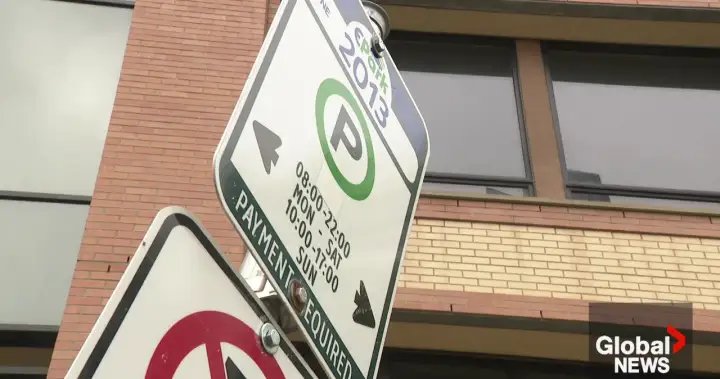
Drivers in Edmonton could soon be paying to park in more locations, if a proposal headed to the city’s urban planning committee moves forward as part of upcoming budget discussions.

A report set to be considered next week outlines potential changes to the city’s parking program (Scroll down to read the report.)
The proposals include eliminating the current 15-minute free grace period in paid parking zones, updating parking rates and introducing paid parking at several city-owned attractions.
The report also proposes a pilot project requiring drivers to pay to park at facilities such as the Muttart Conservatory, the Edmonton Valley Zoo and Fort Edmonton Park.
The plan would see the first hour remain free, with each subsequent half hour costing $1 up to a $5 daily maximum amount. Free parking as part of an amenity membership, packaged and managed through HotSpot, is proposed as an option.
The possible changes are raising concerns among some downtown business owners, who say parking frustrations are already affecting customers.

Audrey’s Books, located on Jasper Avenue, has seen several parking rule changes over the years. Manager Kelly Dyer said other changes the city made in recent years has already had a negative impact.

Get weekly money news
Get expert insights, Q&A on markets, housing, inflation, and personal finance information delivered to you every Saturday.
“They took away the evening free parking and Sunday free parking, which was a definite incentive,” Dyer said.
She said customers regularly complain about parking and worries additional costs could further discourage people from visiting downtown or making quick stops.
“Every city needs a thriving downtown and to encourage people to come downtown,” Dyer said. “I think even just a free 15 minutes parking is definitely something that might help.”
Mayor Andrew Knack said council is aware of those concerns as it weighs potential adjustments.
“Hearing that concern … that’s part of what needs to be considered,” Knack said.
He said the city is reviewing all options as it looks to balance user fees and property taxes in the next budget.
“That’s how we’re approaching this budget, to say what’s the right ratio for user fees versus property taxes,” he said.
According to the report, if all the proposed changes are implemented, annual parking revenue could double to an estimated $10.4 million by 2028.
Knack said efforts to keep property tax increases down are driving the review of programs like parking.
“What we’ve seen for increases on our property taxes the last four years can’t happen going into the next four years,” he said. “That means looking at every single program.”
For some small businesses, however, the prospect of higher parking costs is concerning.
“It does feel like they’re nickel and diming at this point,” Dyer said.
The report will be discussed at city council’s urban planning committee meeting on Tuesday, June 9.
© 2026 Global News, a division of Corus Entertainment Inc.