dailynewsnblog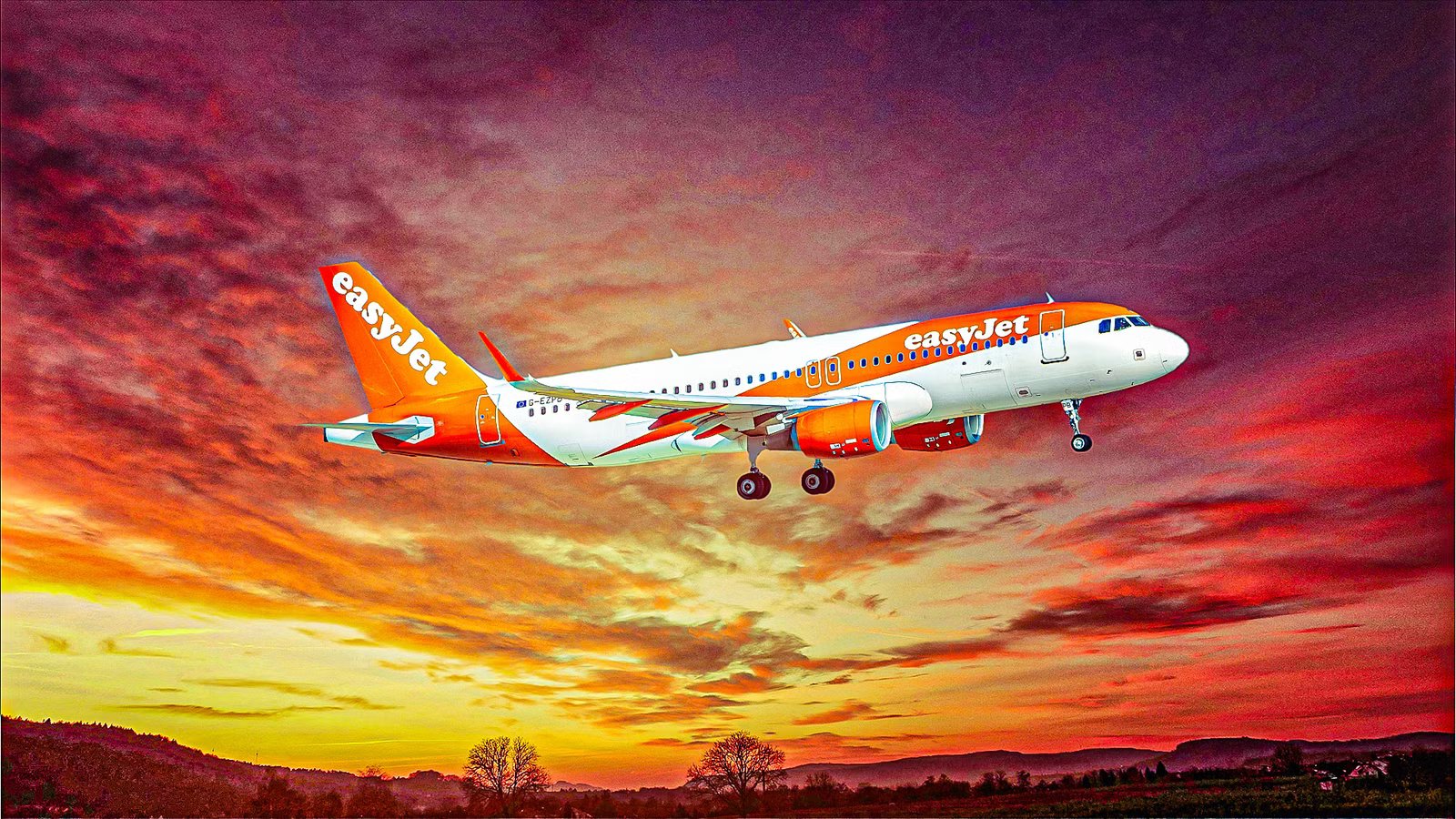
easyJet has formally agreed to a £5.7 billion ($7.7 billion) takeover by US private equity giant Apollo Global Management, setting the stage for one of Europe’s largest low-cost airlines to return to private ownership. Apollo’s firm offer values easyJet at £7.15 ($9.63) per share, an 81% premium to the airline’s £3.94 closing price on May 28, immediately before the takeover interest became public. The deal remains subject to shareholder, court, aviation, merger-control and foreign-investment approvals.
Apollo is not proposing an immediate overhaul of the orange airline. Reuters reports that easyJet will remain a standalone business, with its brand, UK headquarters and UK, Austrian and Swiss Air Operator Certificates staying where they are. It also says it does not intend to make any headcount reductions during the first 12 months “that would be material in the context of the easyJet Group.” So what exactly does Apollo have planned for easyJet?
Apollo Wins The Battle For easyJet

Under the agreement announced on August 6, Eagle Bidco, a company indirectly owned by Apollo-managed funds, intends to acquire easyJet primarily through a scheme of arrangement. Shareholders can take the £7.15-per-share cash offer, or eligible investors are also being given an alternative allowing them to roll their investment into unlisted shares in easyJet’s new parent company. If completed, easyJet will leave the London Stock Exchange, ending more than a quarter-century as a publicly traded airline.
Apollo emerged victorious from an unusual battle between two American investment firms. Castlelake, which was in talks with ill-fated Spirit Airlines earlier this year, first approached easyJet in June. It ultimately made five proposals, increasing its price to £6.90 per share, valuing the airline at around £5.5 billion ($7.4 billion).
Apollo entered the contest in July with a £7.15 per share offer, prompting easyJet’s board to abandon its support for Castlelake and back the higher proposal. Castlelake withdrew from the process on August 6, while easyJet’s board unanimously recommended Apollo’s firm offer.
Crucially, easyJet founder Sir Stelios Haji-Ioannou is not using the transaction to make a complete exit. Stelios, Clelia Haji-Ioannou and Polys Haji-Ioannou have committed to support the acquisition and have elected to roll approximately their 15.31% of easyJet’s existing shares into the new privately held structure. Stelios said his family “intends to remain long-term major shareholders,” describing Apollo as one of the world’s best-resourced institutional investors and welcoming its plans to grow the business.
Shareholder | Expected Holding | Significance |
|---|---|---|
Apollo Funds | Up to 49.9% | Principal investor behind the takeover. |
Rollover Shareholders | 45.1%-49.9% | Existing shareholders choosing private shares instead of cash. |
Of Which: Haji-Ioannou Family | 15.31% of current easyJet shares rolled over | Founder and family remain long-term investors. |
EU Trust | Up to 5% | Forms part of a structure designed around airline ownership and control requirements. |
Apollo still has several significant hurdles to clear. Among other things, the transaction requires shareholder approval, court sanction and regulatory approvals covering aviation licenses, competition and foreign investment. If approved, the deal is expected to close in March 2027.
Who Is Apollo, And Why Does It Want easyJet?

Apollo is one of the world’s largest alternative asset managers, overseeing around $1.05 trillion in assets as of June 2026. Private equity represents only part of its sprawling investment business, but Apollo has decades of experience buying companies, providing capital and working with management teams to increase their value. Aviation is very familiar territory: its previous airline investments include Sun Country Airlines,  Aeromexico, and Atlas Air, while its wider aviation activities extend into lending and aircraft-related investments.
Apollo says it has followed easyJet “for many years” and considers it “one of the most attractive businesses in the global aviation sector.” It points to easyJet’s brand and broad network, while highlighting three developments already underway: the growth of easyJet Holidays, improvements to ancillary and loyalty products, and the upgauging of the fleet.
Apollo is therefore buying an airline it believes already has the right strategic foundations, and has made it clear that it has no plans for staff reductions in the near term. Indeed, it emphasized continuity in its statements to the market:
“Apollo places a high value on people and believes that identifying and retaining key staff within the easyJet Group will be of paramount importance.”
There is another important attraction: easyJet’s airport portfolio. Apollo specifically praises management’s focus on primary, slot-constrained airports, which it says generates a meaningful yield premium over ultra-low-cost competitors. Slots at airports such as  London Gatwick Airport (LGW),
  Amsterdam Schiphol Airport (AMS), and Geneva Airport (GVA) are difficult for competitors to replicate, meaning increasing the number of passengers, revenue and profit generated from each aircraft movement can be particularly valuable.
What Will Apollo Actually Change At easyJet?

Apollo argues that taking easyJet private will give management access to additional capital and allow longer-term planning without the same pressures faced by a publicly traded company. It wants to accelerate much of easyJet’s existing strategy rather than replace it, and a central theme of its emerging plan is “doing more” with easyJet’s existing assets while preserving its low-cost DNA.
The investment firm sees opportunities to increase revenue and profitability from easyJet’s existing aircraft, slots, network and customer base, and has stated its intent in the following areas:
Area | Apollo’s Stated Direction | What It Could Mean |
|---|---|---|
Revenue Management | Improve winter profitability and revenue on key routes | More sophisticated pricing and capacity allocation |
Ancillary Revenue | Improve ancillary products and technology | More revenue from extras and bundles |
Loyalty | Create a structured, commercially integrated program | A stronger proposition for repeat customers |
Network | Improve connectivity, utilization and load factors | Better use of existing aircraft and new geographic opportunities |
Premiumization | Add premium/business-focused features on selected routes | Greater targeting of higher-yield and business travelers |
easyJet Holidays | Continue scaling the Holidays operation | Holidays to become an even larger profit contributor |
Partnerships | Explore interlining, codesharing and additional distribution | Potential connections with more airline partners |
Fleet | Continue easyJet’s upgauging strategy | More seats per aircraft and per scarce airport slots |
Workforce | No material group-wide reductions planned for 12 months | Some listed-company HQ functions may still be reduced |
Two proposals stand out: Apollo wants to develop a “structured, commercially integrated loyalty program” that goes well beyond the current Flight Club program. It also intends to pursue increased “premiumization” through premium or business-focused features on select routes.
However, this is all just a rough blueprint for now. Apollo says the information available during the public takeover process was insufficient to finalize its program, so it intends to spend the first 12 months after completion of the deal undertaking a detailed review with easyJet management. That would put the timeline for the implementation of strategic plans well into 2028.
The immediate post-takeover airline may therefore look remarkably familiar for passengers and staff. Longer term, the direction is clearer: Apollo believes easyJet can generate more from its passengers, aircraft, airport positions and its Holidays business without abandoning the low fares and cost discipline that made the airline attractive enough to spend £5.7 billion buying in the first place.