dailynewsnblog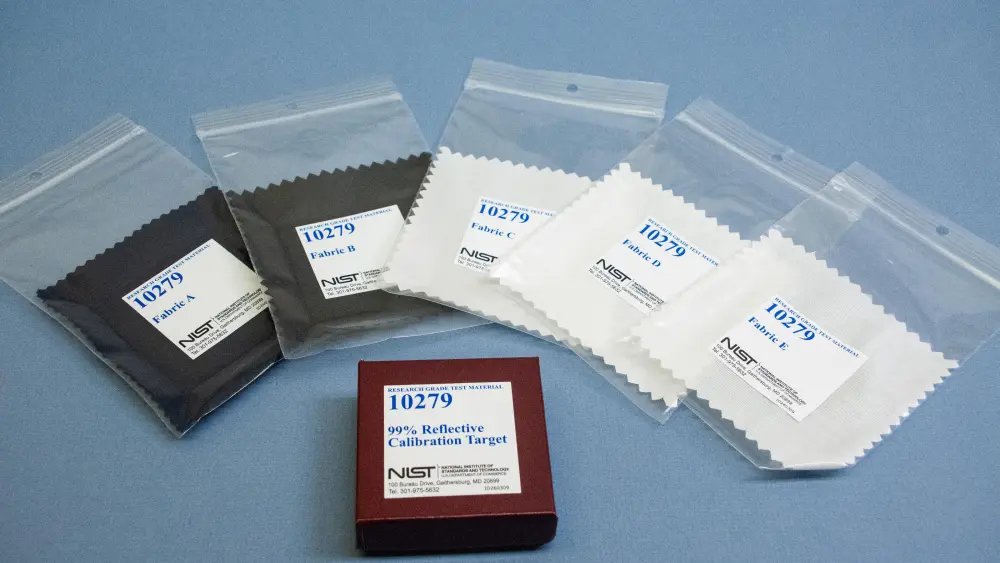
The National Institute of Standards and Technology (NIST) has developed a set of textile materials that the research community can potentially use to improve methods for identifying the fibers in textiles.
Technically known as Research Grade Test Material (RGTM) 10279, the set of five fabric squares is made from different fibers, both dyed and undyed.
“This textile material will help validate sorting methods and make textile sorters’ measurements comparable from one center to another,” said NIST materials research engineer Amanda Forster.
“This lays the foundation for expanding supply chains and increasing the recovery of the economic value from textiles and clothing in the U.S.,” she added.
The next step now is to see how it would fare in a real-world scenario. To do this, NIST said the RGTM is part of a larger study in which laboratories, manufacturers and other organizations will try to determine if they can accurately analyze the fibers in the material.
The recycling and sorting community will use this RGTM to explore whether it is suitable for assessing the accuracy of sorting methods and to help validate the algorithms that identify the fibers in textiles and clothing, NIST said.
If successful, these materials can have several industrial applications.
“We’ve identified an industrywide measurement challenge,” said NIST researcher Michelle Seitz. “Standards like this RGTM help improve textile identification and sorting, which supports advances in AI-enabled sorting of textiles and U.S manufacturing and industry.”
For example, textile sorting facilities could use this for production quality control, especially since many new types of textiles are blends of different fibers that are hard to identify.
Brands can use the fabrics to validate whether they are receiving the exact materials they paid for. “For example, if a brand is buying a fabric that is 100 percent cotton, but it ends up being a cotton-polyester blend, then they would like to know that difference,” said NIST guest researcher Katarina Goodge.
It can even potentially be used to check whether luxury goods are fake, a process known as fashion authentication, although NIST clarified it is not currently working on this application.
Perhaps the most important use case is in recycling. NIST noted that the test materials can be useful to recycling centers regardless of how they sort through the clothes: by hand, robotics, or AI. NIST estimates 56 percent of clothing and textiles can be recycled or recovered, but most don’t.