dailynewsnblog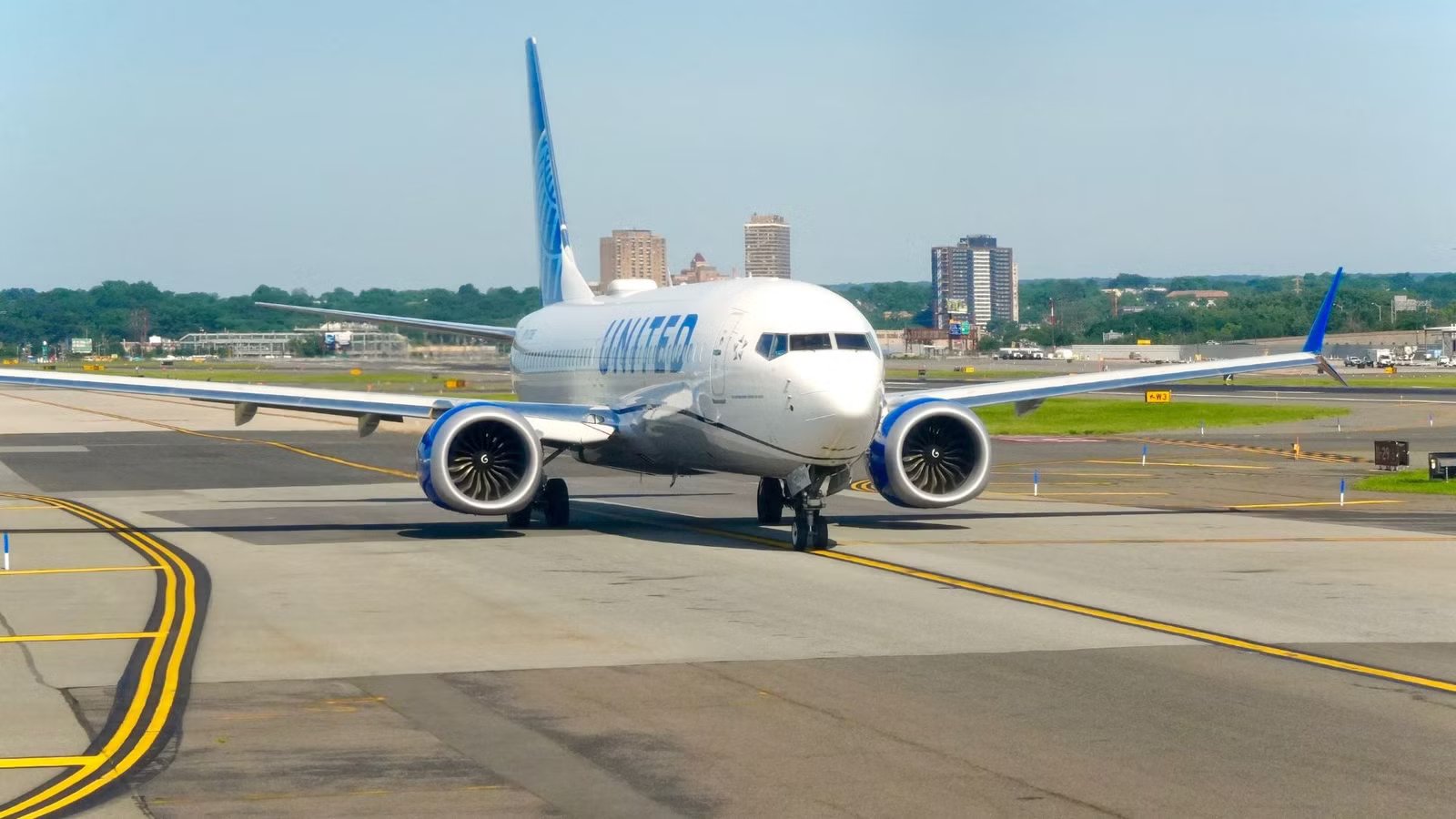
 Newark Liberty International Airport’s (EWR) emergence as the Northeast’s strongest performer for on-time flights in 2026 marks a dramatic shift from the operational challenges that dominated headlines just a year earlier. The airport, one of the region’s busiest international gateways, spent much of 2025 grappling with air traffic control staffing shortages, infrastructure work, and technology disruptions that contributed to widespread delays and cancellations. Recent performance data, however, suggests that those difficulties have been substantially reduced, allowing the airport to regain reliability for both airlines and passengers.
The turnaround reflects a combination of operational reforms, infrastructure improvements, and closer coordination between airlines and federal aviation authorities. EWR’s largest carrier,  United Airlines, reported record on-time performance at the airport during the spring of 2026, highlighting how schedule adjustments and capacity management have helped align flight operations with available resources. While industry observers will continue to monitor performance during the busy summer travel season, the airport’s recent results indicate significant progress in restoring efficiency.
From Operational Struggles To Improved Reliability

Just a year ago, Newark was facing one of the most difficult periods in its recent history. A combination of runway construction, staffing shortages among air traffic controllers, and technical issues within the aviation system created a challenging environment that affected thousands of flights. During the spring of 2025, flight delays at Newark regularly exceeded those at many other major US airports, while hundreds of cancellations were recorded during periods of severe disruption. Travelers frequently encountered delays, cancellations, and schedule disruptions that strained confidence in the airport’s operations.
Federal agencies responded by implementing measures designed to stabilize airport performance. These included investments in technology, efforts to strengthen staffing levels, and restrictions on flight volumes to better match operational capacity. The Federal Aviation Administration (FAA) also introduced temporary limits on airport movements to reduce congestion while critical runway rehabilitation projects were completed. Combined with operational adjustments by airlines, these actions aimed to create a more reliable flow of arrivals and departures and minimize the ripple effects of delays throughout the Northeast air travel network.
The results have become increasingly visible throughout 2026. Newark now leads major Northeast airports in on-time performance (OTP), according to data highlighted by United. The carrier reported that nearly 5.8 million passengers traveled through its Newark operation during April and May 2026, while the airport delivered its strongest on-time results on record for those months. The improvement marks a significant turnaround from the disruptions experienced in 2025, transforming what had been a major operational weakness into one of the airport’s strongest performance indicators. Scott Kirby, United’s CEO, attributed the performance to the FAA.
“Newark has operated better than it ever has and that’s a direct result of the actions taken by Secretary Duffy and the FAA as well as the professionalism, dedication and care of our nearly 15,000 local employees.”
Key Factors Behind the Turnaround

Aligning flight schedules with available capacity was a key factor in Newark’s recovery. By reducing excessive congestion during peak periods, airlines and regulators have created more realistic operating conditions that minimize cascading delays across the network.
Infrastructure improvements have also played a significant role. The completion of major runway work and upgrades to operational systems has helped restore efficiency and reduce disruptions that previously affected aircraft arrivals and departures. These projects were designed not only to address immediate problems but also to strengthen long-term reliability.
At the same time, airlines have refined their operational strategies. United, which operates the largest share of flights at Newark, reported its strongest on-time performance at the airport during April and May 2026. The combination of improved airport infrastructure and more disciplined scheduling has contributed to stronger overall performance.
Back On Track: United Celebrates Best Operational Summer At Newark
The news comes despite the New Jersey facility facing significant logistical challenges earlier in the year.
What The Improvement Means For Travelers

For passengers, improved on-time performance translates into a more predictable travel experience. Fewer delays can reduce missed connections, shorten wait times, and increase confidence when booking flights through one of the nation’s busiest aviation hubs. Reliable operations are especially important during peak travel periods when airports face heightened demand.
The timing of Newark’s recovery is particularly significant given the expected increase in travel activity during 2026. Airlines anticipate strong passenger volumes throughout the summer, while international travel demand continues to grow. Maintaining operational consistency during these periods will be a key test of the airport’s progress.
Although challenges such as air traffic control staffing remain a concern across the broader aviation system, Newark’s recent performance demonstrates that targeted operational changes can produce measurable results. If current trends continue, the airport could further strengthen its reputation as a dependable gateway for domestic and international travelers alike.