dailynewsnblog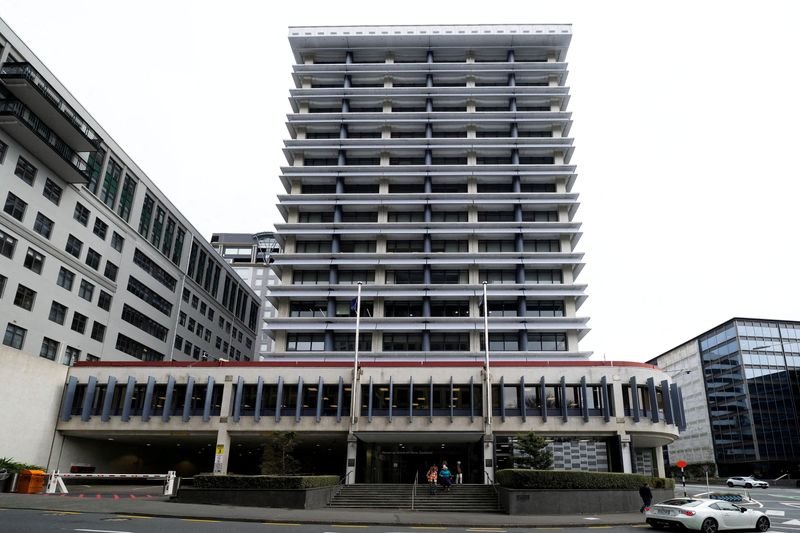
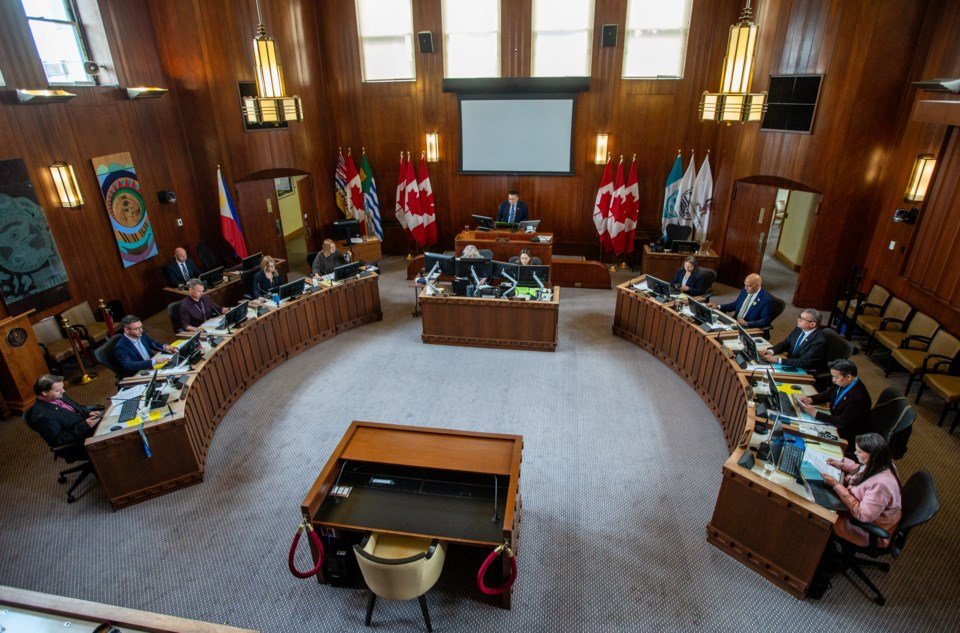
SYDNEY, April 30 (Reuters) – New Zealand said on Thursday individual votes cast by members of the central bank’s monetary policy committee will be made public when consensus is not reached, aiming to enhance transparency and improve better public understanding of its decisions.
Finance Minister Nicola Willis said the changes will ease existing restrictions, allowing committee members more freedom to discuss monetary policy publicly while still adhering to rules that ensure equal access to information.
“The (monetary policy committee) will also begin attributing material differences in views in its records of meetings,” Willis said in a statement.
The policy change, effective from Thursday, was agreed by the finance minister and the Reserve Bank of New Zealand’s monetary policy committee (MPC), which sets the official cash rate.
Governor Anna Breman said the changes strengthen the transparency of members’ views, supporting the committee’s accountability.
“These changes … brings us in line with some of the most transparent central banks in the world,” she said.
Breman, a Swedish national who became the RBNZ’s first female governor in September, has championed greater openness in monetary policy decisions.
Under her leadership, the RBNZ introduced press conferences after each monetary policy review and increased the annual number of policy meetings to eight from seven, addressing criticisms of insufficient communication during longer breaks.
In the most recent monetary policy meeting this month, discussions included potential advantages of an earlier rate hike, but individual opinions were not attributed though the decision was unanimous.
By contrast, the committee recorded a 5-1 split in voting during its November meeting but did not disclose individual votes.
(Reporting by Renju Jose in Sydney; Editing by Jacqueline Wong & Shri Navaratnam)