dailynewsnblog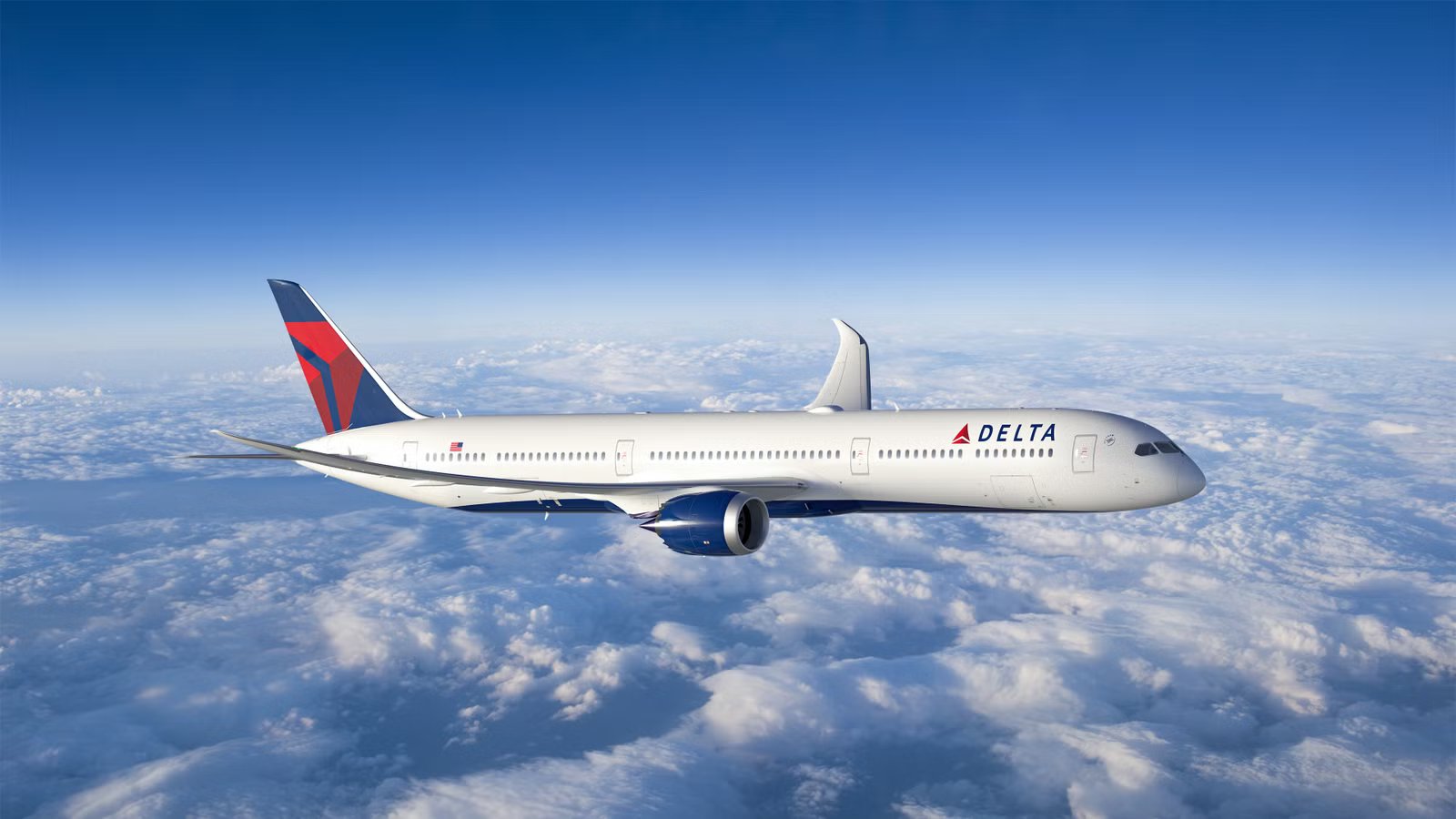
 Delta Air Lines is preparing a premium-heavy cabin layout for the 30 Boeing 787-10 Dreamliners it ordered in January, with chief commercial officer Joe Esposito confirming on the carrier’s July 10 earnings call that more than half of the seats on the new jets will be premium products. That marks a sharp jump from the roughly 30% premium mix on the Boeing 767 aircraft the 787-10 is set to replace, mainly on transatlantic routes, starting with deliveries in 2031.
The disclosure came not long after Delta detailed the rollout of its unbundled “Basic” fare tier in Delta One business class, a move that keeps the physical seat and inflight amenities unchanged but strips away seat selection, refundability, and full mileage earnings for travelers who choose the discounted fare. Together, the two developments show Delta doubling down on a strategy that treats its front cabin as both a growth engine and a segmentation tool.
A 787 Built For Premium-Heavy Transatlantic Flying

Esposito indicated on the earnings call that the 787-10 will feature heavily on transatlantic routes, since Delta sees the jet partly as a replacement for its aging Boeing 767s, which currently serve as workhorses on U.S.-Europe flights. Delta’s first of the 30 787-10s isn’t scheduled to arrive until 2031, when the airline will use it to replace older 767-300ERs and 767-400ERs, particularly on transatlantic flights. Esposito told analysts the shift represents going from 30% premium seating on a 767 to more than 50% on a 787, calling it a significant boost to efficiency and profit margin. He added that the larger jet can also handle twice the cargo capacity of the 767, and that continental Europe effectively functions as a domestic-efficiency market served by widebody aircraft. For context on scale, the 787-10 can seat up to 375 passengers in a standard two-class configuration, compared with up to 216 passengers on Delta’s 767-300ERs and 238 on its 767-400ERs.
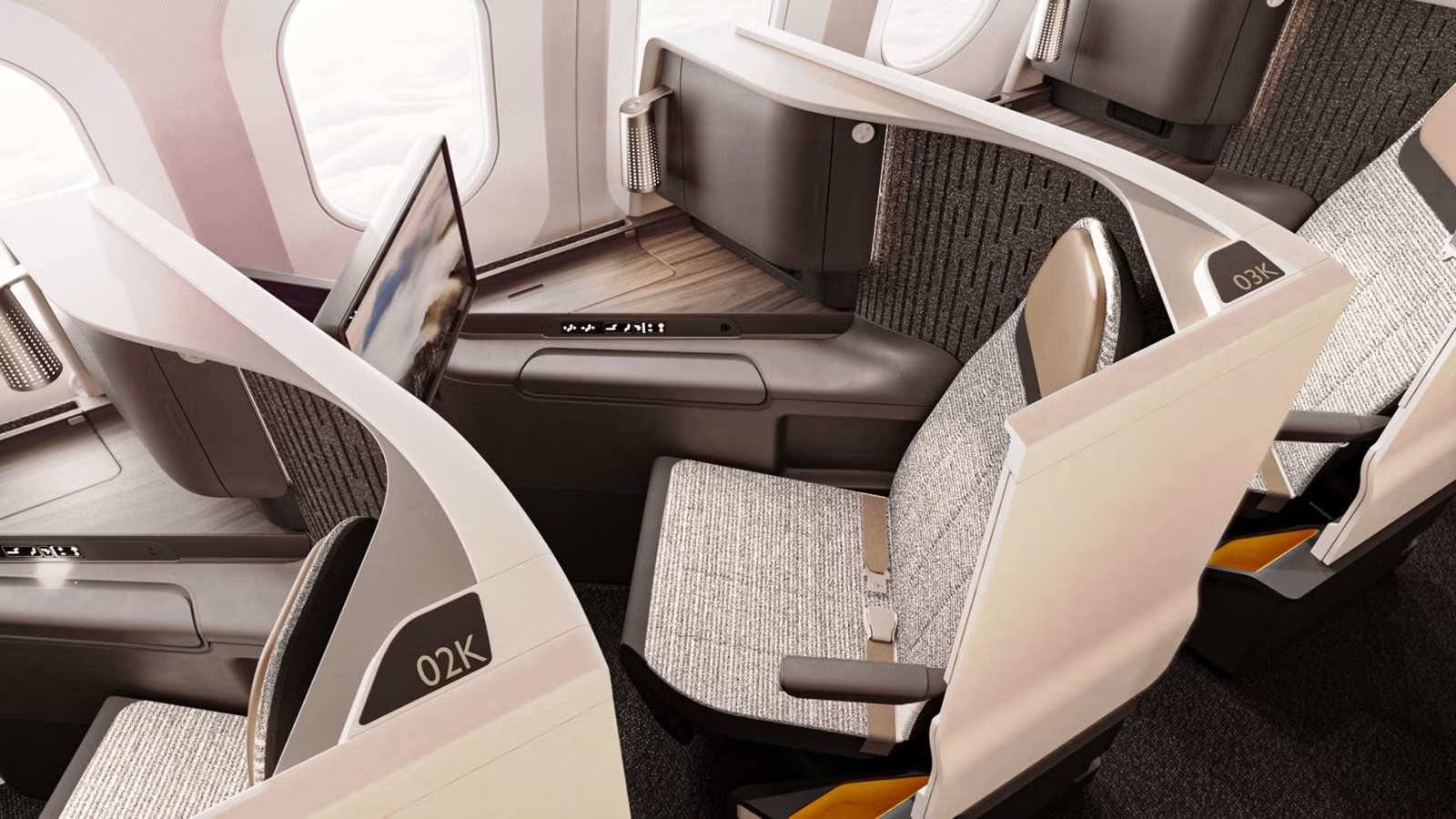
Whether the jets will carry Delta’s newest Delta One suite product remains undecided. Airline leaders told The Points Guy in April that outfitting the 787-10s with the newest Delta One seats is still “TBD,” though they confirmed the option remains on the table, noting the carrier still has time before the planes are delivered in roughly five years.
Part Of A Broader Upgrading Strategy

The 787-10 order fits into a longer pattern at Delta. The airline’s fleet upgrading strategy dates back more than a decade, beginning with the replacement of 50-seat regional jets with Boeing 717s in the mid-2010s and continuing into the 2020s with new Airbus A321s and A321neos replacing aging McDonnell Douglas MD-88s and MD-90s. That approach has paid off, with Delta now the margin-leading network carrier in the U.S. and rivals including Alaska, American, JetBlue and  United Airlines following its lead on swapping smaller jets for larger narrowbodies.
Delta is applying the same logic to its widebody fleet. The airline said on the same earnings call that it doesn’t expect to add more coach seats this year or next, instead shifting more cabin space toward premium products that have boosted its bottom line, including new Airbus A321neos with 44 first-class seats spread across 11 rows. Delta’s incoming Airbus A350-1000s, which debut next year with the carrier’s next-generation Delta One product, will also see only half their seats set aside for standard economy. Rival United has taken a similar approach with its newly launched 787-9 “Elevated” Dreamliners, which carry 99 premium seats split between Polaris business class and premium economy.
What This Means For Premium Flyers

Delta’s next decade of widebody flying is taking clear shape: bigger cabins, more premium seats, and more ways to pay for access to them. The 787-10 won’t reach Delta’s fleet until 2031, but the direction is already set. Expect the airline to keep tilting inventory toward Delta One and premium economy across both new aircraft families, the 787-10 and the A350-1000, while pushing extra revenue out of that same premium space through fare tiers like Delta One Basic.
For travelers, that points to two parallel trends. Business class seats will become easier to find, since Delta is building far more of them into its long-haul jets. But the price of admission will vary more than before, with flexibility, seat choice, and mileage earnings increasingly sold as separate add-ons rather than included in the fare. Corporate travelers will likely keep gravitating toward Main and Extra fares to preserve the flexibility their schedules demand, while leisure travelers weigh whether a modest discount is worth the restrictions attached to it.
The bigger question is whether rivals follow. United has already moved in a similar direction with its 787-9 Elevated Dreamliners, and international carriers like Qatar Airways and Emirates normalized restricted business fares years ago. If Delta’s Basic tier performs the way Comfort Basic did in economy, other U.S. airlines will have little reason to hold off on copying it. That would mark a lasting shift in how premium cabins are priced across the industry, not just at Delta.