dailynewsnblog
Happy Monday! We’re starting off the newsletter with news about Canada’s next governor general.
Prime Minister Mark Carney is set make his selection on Tuesday. He will put forward his recommendation to King Charles who approves the appointment.
The current governor general, Mary Simon, is nearing the end of five years in the vice-regal role at Rideau Hall.
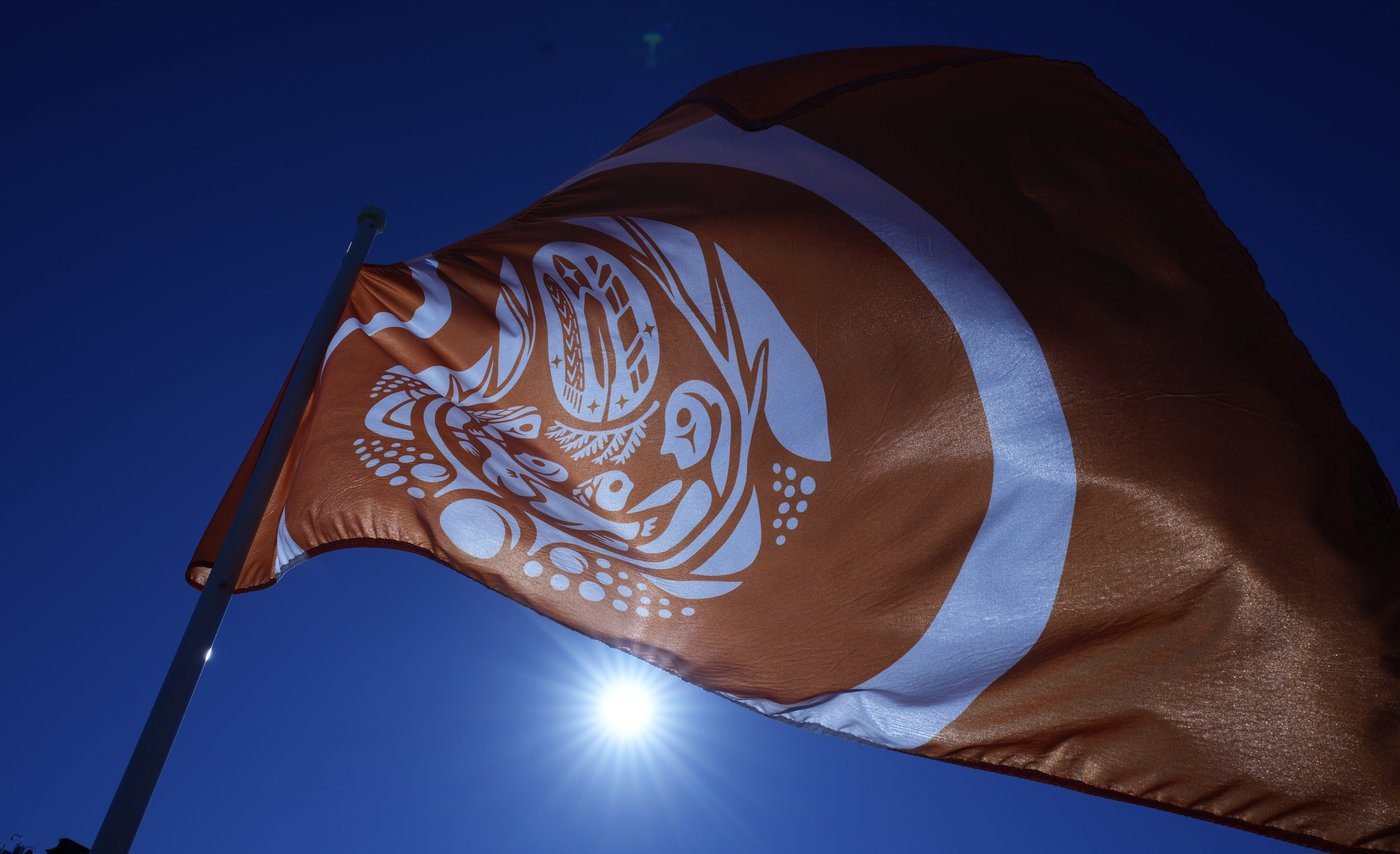
Simon made history as the country’s first Indigenous governor general.
Her husband Whit Fraser told the Globe and Mail last month they were planning their exit from Rideau Hall.
Simon, who is Inuk, has spent her time in office focusing on reconciliation between Indigenous and non-indigenous people, advocating for de-stigmatizing mental health, diversity and nature.
CBC has more.

Over at Queen’s Park, Premier Doug Ford is “extremely frustrated” with Ottawa’s pace on Bill C-14.
C-14, a bill backed by every premier in the country, remains stalled in the Senate more than a year after the push for changes began.
Speaking to reporters, Ford said that the slow progress of the federal legislation aimed at tightening bail rules for repeat and violent offenders, is evidence that the system is not moving quickly enough to address public safety concerns.
“I’m extremely frustrated,” Ford said. “This has been over a year now. We sat around the table with all the premiers saying that we have to change bail reform… all 13 of us signed off with the prime minister sitting there. They’re dragging their feet.”
The bill, which passed the House of Commons in February with support from both Liberals and Conservatives, would expand so-called reverse-onus provisions, requiring certain accused individuals to justify why they should be released on bail rather than placing that burden on prosecutors. The proposed changes target offences such as violent auto theft, home invasions, human trafficking and other serious crimes.
Barbara Patrocinio has more.

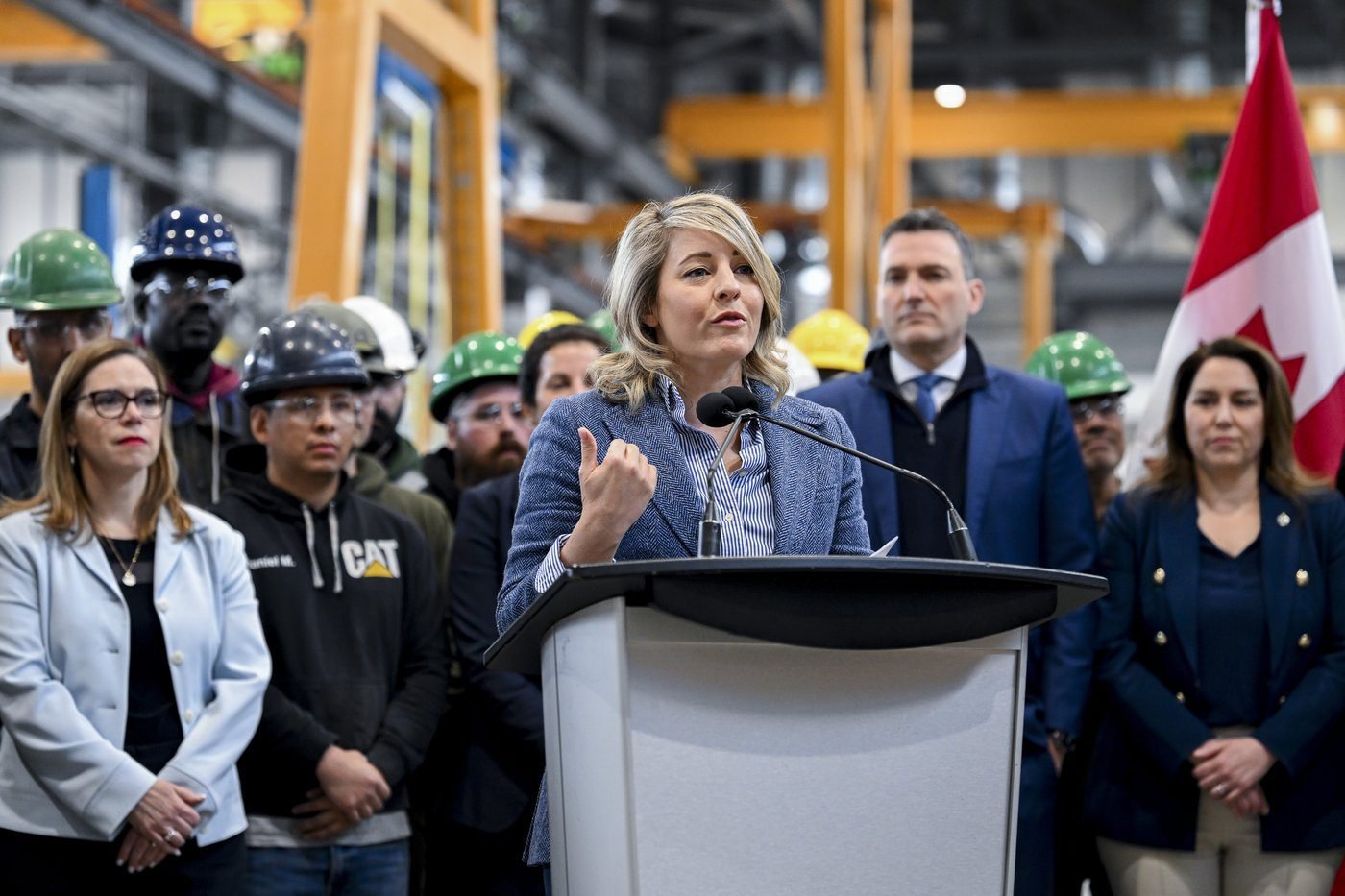
Also, the federal government announced a new development bank programming that’ll shore up factories hit by U.S. tariffs affecting exports of products containing steel, aluminum and copper.
The announcement includes the creation of a new $1 billion program under the Business Development Bank of Canada to bolster the manufacturing sector, and a $500 million top-up to the regional tariff response fund.
It will make available three-year, low-interest loans of up to $50 million to tariff-hit businesses.
The Canadian Press has this one.
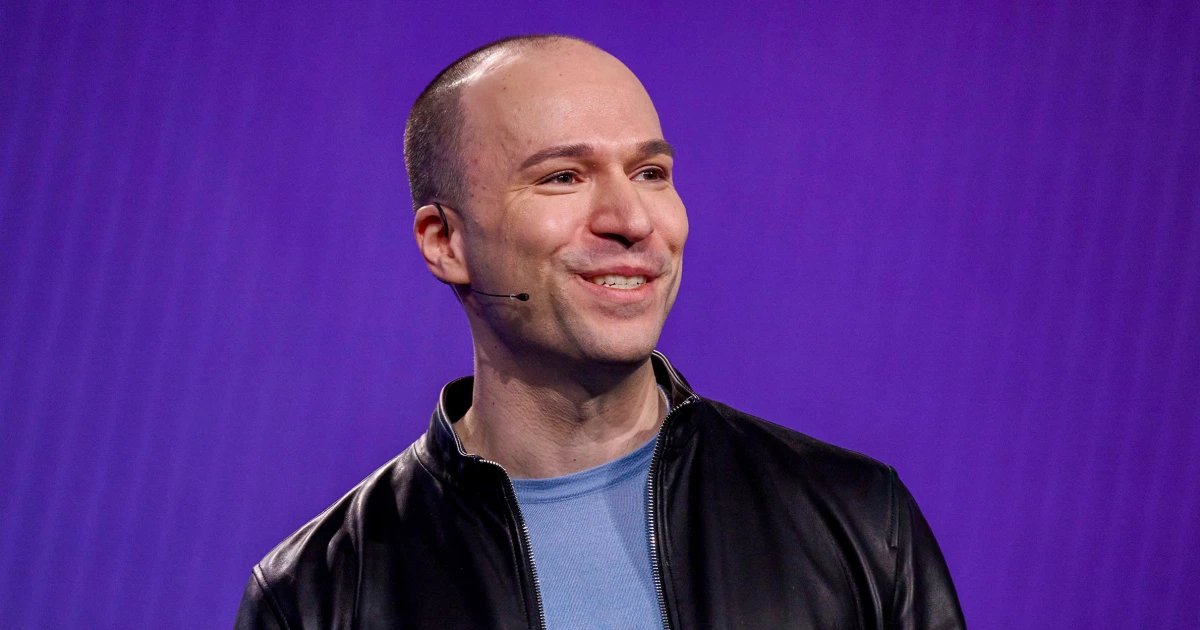
At the same announcement, Artificial Intelligence Minister Evan Solomon also said Ottawa’s long-promised AI strategy is “coming very soon,” following months of consultations with industry, labour and other stakeholders.
During an event Monday in the rural Ottawa community of Vars, Solomon said the department is “obviously” rolling out a series of strategies, but even though consultations have taken place, he noted that the industry has changed dramatically.
“Last week, I consulted with labor leaders, environmentalists, young kids on Gen Z,” Solomon said. “We are making sure that when we launch the strategy, there’s an element… that it will meet the needs of the changing needs of labour and all the stakeholder groups.”
Sydney Ko has more.
In Other Headlines
Internationally
Elsewhere, the U.S. military said it fired on Iranian forces and sank six small boats targeting civilian ships as it moved to reopen the Strait of Hormuz on Monday. The United Arab Emirates, a key American ally, said it had come under attack from Iran for the first time since a fragile ceasefire took hold in early April.
The attacks appeared to be in response to U.S. President Donald Trump’s latest efforts to reopen the strait, a critical waterway for global energy. The U.S. military said two American-flagged merchant ships had successfully transited the strait on Monday as part of a new initiative.
The UAE Defense Ministry said its air defenses had engaged 15 missiles and four drones fired by Iran. Authorities in the eastern emirate of Fujairah said one drone sparked a fire at a key oil facility, wounding three Indian nationals. The British military reported two cargo vessels ablaze off the UAE.
The Associated Press has more.
Europe will not submit to a more “brutal world”, and can instead be the base from which a new international order can be rebuilt, Mark Carney, the Canadian prime minister, has said.
Carney was speaking as the first non-European leader to attend a meeting of the European Political Community, which opened on Monday amid high tensions in the strait of Hormuz and renewed doubts about the US commitment to Nato.
“We don’t think that we’re destined to submit to a more transactional, insular and brutal world, and gatherings such as these point to a better way forward,” he said.
In a pointed suggestion that the era of American leadership was coming to an end, and explaining the symbolism of Canada’s attendance at a European political gathering, he said: “It is my strong personal view that the international order will be rebuilt, but it will be rebuilt out of Europe.
Read more from The Guardian.
In Other International Headlines
The Kicker
Ottawa’s about to be covered in tulips, and it’s more than just the annual tulip festival.
Princess Margriet of the Netherlands will be coming to Ottawa on May 7 to 11, and her presence is kind of a living thank-you note. She was born here during the war, while her family was in exile. Her story helped root one of the capital’s traditions: the Tulip Festival.
Eighty years after the liberation of the Netherlands, the flowers are still coming, signifying that some alliance aren’t negotiated, but planted.