dailynewsnblog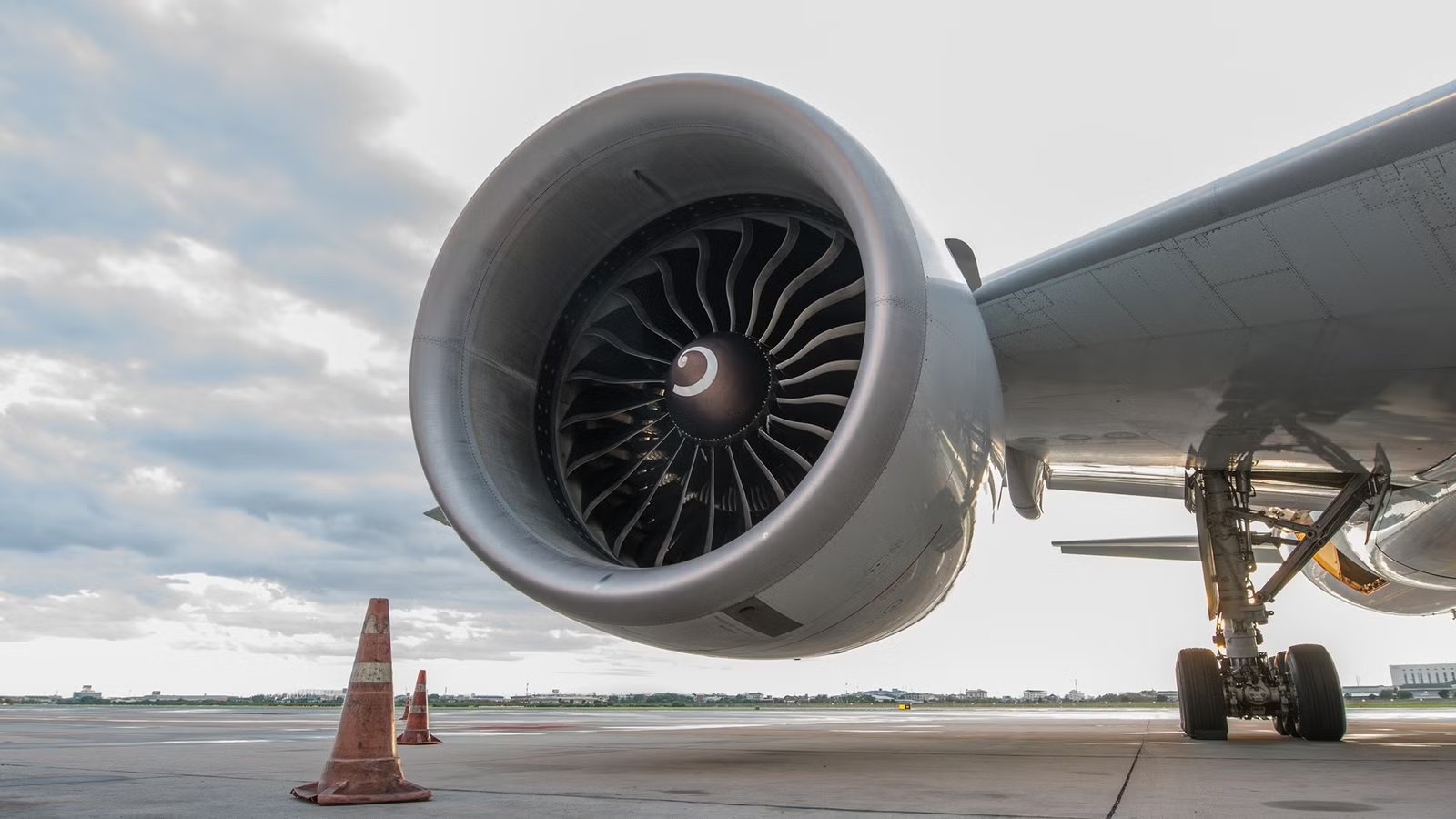
Fume and cabin air contamination events have occurred for many years, and the side effects can lead to headaches, dizziness, irritation, and other symptoms. A new aviation oil, known as Eastman Turbo Oil 2330, is being trialed specifically for aircraft, which would remove the odor profile, designed to reduce cabin odor events and other unplanned maintenance by removing the odor profile.
Unions are now calling out that the reduced odor does not reduce the chance of exposure, and if the oil is heated or degraded in the cabin air, cabin crew should be able to recognize and report the event. The International Transport Workers’ Federation is now demanding that an investigation is launched into the new use of ETO 2330, focusing on odor detectability.
Eastman Turbo Oil 2330

Eastman ETO 2330 is an oil specifically designed for turbine engine applications and for modern aircraft APUs. APUs power the electric components, and when the plane is on the ground, it helps start engines before takeoff. Turbo oil leaks are common and may enter the cabin air systems, which react with heat and water and then generate a foul odor.
When these events occur, they can lead to aircraft groundings while they investigate, costing airlines time and money. ETO 2330 plans to mitigate this issue by reducing unscheduled maintenance due to odors, with an inoffensive odor profile.
Eastman has suggested that ETO 2330 contributes to more efficient long-term maintenance with its advanced formulation that delivers lubrication that reduces wear on engine parts. ETO 2330 is able to operate even in high-altitude or cold start environments that demand superior performance.
Customizing Eastman Turbo Oil For Your Fleet

The oil can be customized to specific fleet and aircraft equipment, with Eastman able to assist with the product changeover through oil sampling. This demonstration outlines that there is no residual oil remaining after conversion, and technical representatives are available to explain how the turbo oils will improve performance.
The core features of the oil are designed to mitigate odor events by increasing the oil carbon chain length, and its molecules are larger, making its vaporization threshold more difficult for humans to detect. The product was specifically formulated for the auxiliary power units (APU) and was the first oil that was approved under the MIL-PRF-7808 Grade 3 specification.
It is marketed as an efficiency booster, but faced pushback from unions requesting urgent safety review due to the inability to detect the pungent smell of vaporized oil if it has bled into the cabin. Unions have argued that the odorless oil doesn’t remove the fumes, only masking them, leaving it to be harmful to those onboard without their knowledge.
More Than 100 Fume Events Per Million Departures

As analyzed by The Wall Street Journal, aircraft fume events accounted for 108 reported incidents per million departures on major US carriers alone in 2024, which equates to around two per day. Internal airline industry data suggests that this is far larger, with the true rate expected to be closer to 800 events per million (or 22 every day).
This issue continues to be debated and is expected to be a hot topic at the 2026 Aircraft Cabin Air International Conference in London this September, which will bring together aviation, medical, regulatory, and scientific experts. Notable recent fume events are that of the JetBlue Airbus A320 that was diverted to Jacksonville when pilots noted an acrid smell irritating eyes and lungs, or the evacuation of a Delta Air Lines Boeing 757-200 after smoke was reported in the cockpit.
Fume events can be varied, from unusual odors, mist, and smoke, and not every strange smell is necessarily contaminated air, but can also be from electrical equipment or cleaning products. Most commercial aircraft use outside air to ventilate and pressurize the cabin, but taken from compression stages within the engines’ bleed air system, meaning that if oil or other fluids contaminate that supply, it can reach onboard.
The ITF is now demanding an urgent review into the safety and occupational health concerns that the use of ETO 2330 would mask due to reduced odor detectability, and wants the oil not to compromise cabin crew health or effective recognition.