dailynewsnblog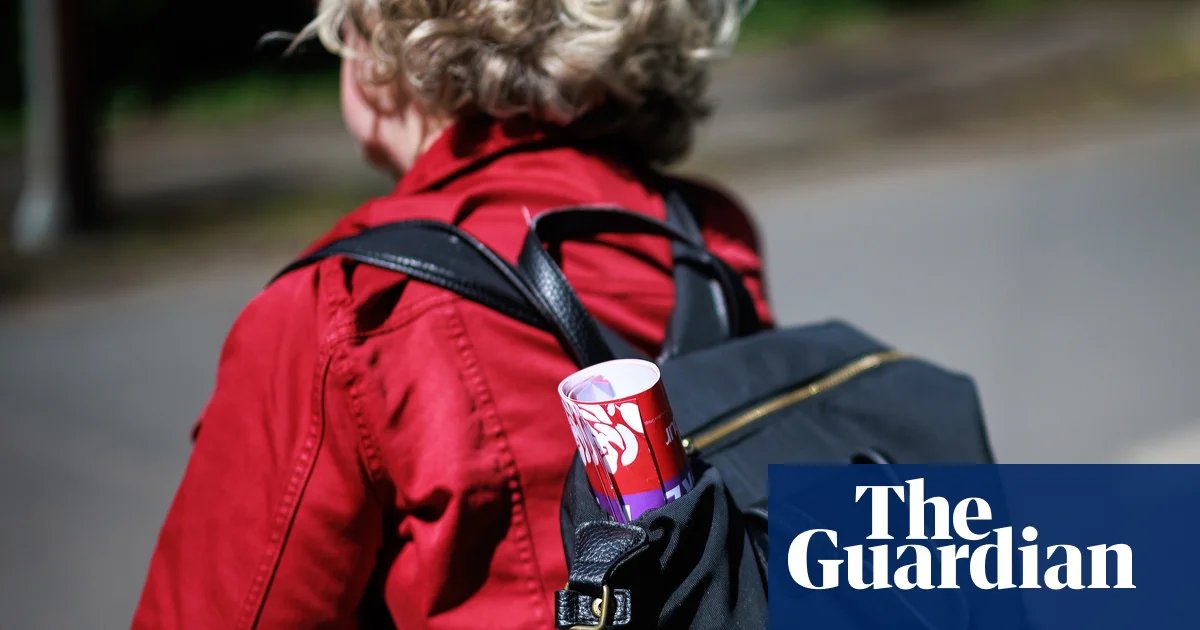
Women will be massively underrepresented on ballot papers across the UK next week, campaigners say, with research revealing that almost twice as many men as women are standing as candidates across the local, mayoral and devolved elections.
Democracy campaigners say men of all political stripes are likely to dominate local government, with women’s views on issues from social care to bin collections sidelined by the huge gap between the numbers of male and female candidates.
Across all elections taking place on 7 May, a third of candidates are women and two-thirds are men, with no party achieving gender parity, according to analysis by 50:50 Parliament and Democracy Club shared exclusively with the Guardian.
In local elections in England, which account for the largest number of candidates out of all elections next Thursday, 34% of candidates are female and no party is fielding an equal number of men and women. In the six mayoral elections taking place, 18% of candidates are women; in the Senedd elections, the figure is 38%; and in the Scottish parliament elections it is 36%.
Reform UK has the smallest proportion of women on ballot papers in the local elections in England, at 23%. Labour is the closest to achieving gender parity, with 42% of its candidates women, followed by the Green party (41%), the Liberal Democrats (33%) and the Conservatives.
The 20 most common first names for candidates in local elections on Thursday next week are all male bar one, according to the research. Voters are nearly four times as likely to be able to vote for a David (the most common male name) as they are for a Sarah, the only female name to sneak on to the list, at number 20. Analysis shows there are 516 Davids, 453 Johns, 385 Pauls and 137 Sarahs among the candidates.
Lyanne Nicholl, the CEO of 50:50 Parliament, said: “Women are massively underrepresented on our ballot papers. The fact that only one woman’s name scrapes in at number 20 just shows how male-dominated local politics is.”
Previous analysis by the organisation suggests progress toward gender parity has stalled, with women forming about a third of candidates on the ballot paper in local elections for the last five years. Last year, when the number of candidates was far fewer, the most common women’s name was 12th on the list.
In the six mayoral contests next week, Labour has fielded three women, the Lib Dems and Greens have two, the Conservatives one and Reform UK zero.
In Wales, 50% of Labour candidates are women, followed by the Greens (46%), Plaid Cymru (45%), the Conservatives (36%), Reform (28%), the Lib Dems (28%) and independent candidates (17%).
The Scottish parliamentary election is the only contest where some parties have more women standing than men, although women trail overall. The Scottish Green party has 60% female candidates, Labour 50%, SNP 45%, the Lib Dems 37%, the Conservatives 29%, Reform 26%, and independent candidates 28%.
The 50:50 Parliament analysis used candidate data gathered by Democracy Club, with genders assigned based on first name if a candidate had not specified their gender. Of a total of 26,813 candidates looked at, 17,687 had male names, 9,028 had female names and 98 could not be assigned a gender.
Penny East, the chief executive of the Fawcett Society, said the analysis showed democracy was not working for women. “We are 51% of the population, and our needs and experiences are not going to be represented by an endless supply of Davids and Johns,” she said.
East said online abuse and threats dissuaded women from standing. “We have to change the way that we do politics and democracy and make sure that platforms take women’s safety more seriously,” she said.
A record number of female MPs were elected in the 2024 general election, and women now make up 41% of MPs. But Nicholl said the local elections figures showed that women’s progression into the political pipeline was harder, which was likely to have a negative impact on local and national decision- and policymaking.
“Men continue to dominate both locally and nationally, and without proper representation women’s views and perspectives will once again be sidelined,” Nicholl said. “This isn’t about political point scoring, this is about women’s representation and how that has benefits for everyone.”