dailynewsnblog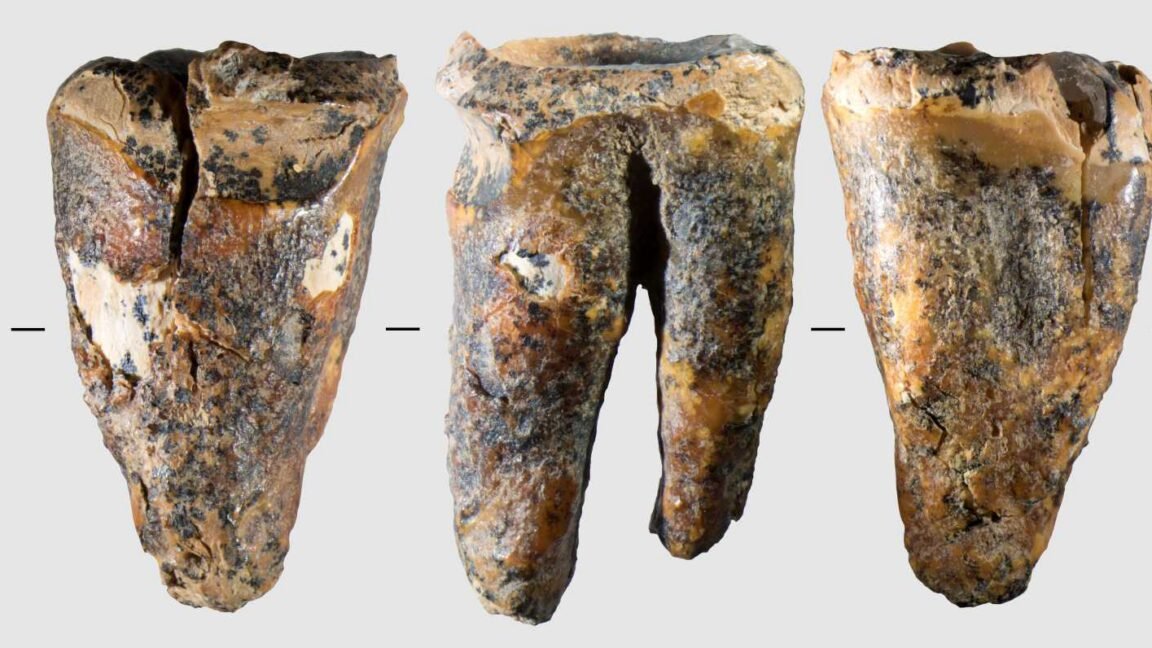
Two of the teeth were museum specimens, whose age and context curators didn’t know, making them less useful for other kinds of research. But one, an upper left third molar with an untreated cavity, came straight from the mouth of one of the authors—for science!
(In most scientific papers, a section at the end outlines the specific contributions of each author, which usually means tasks like writing, data collection, production of stone tools, and analysis. This paper’s author contributions did not list “donation of a tooth for experimental archaeology,” so we can only speculate about who bit the proverbial bullet.)
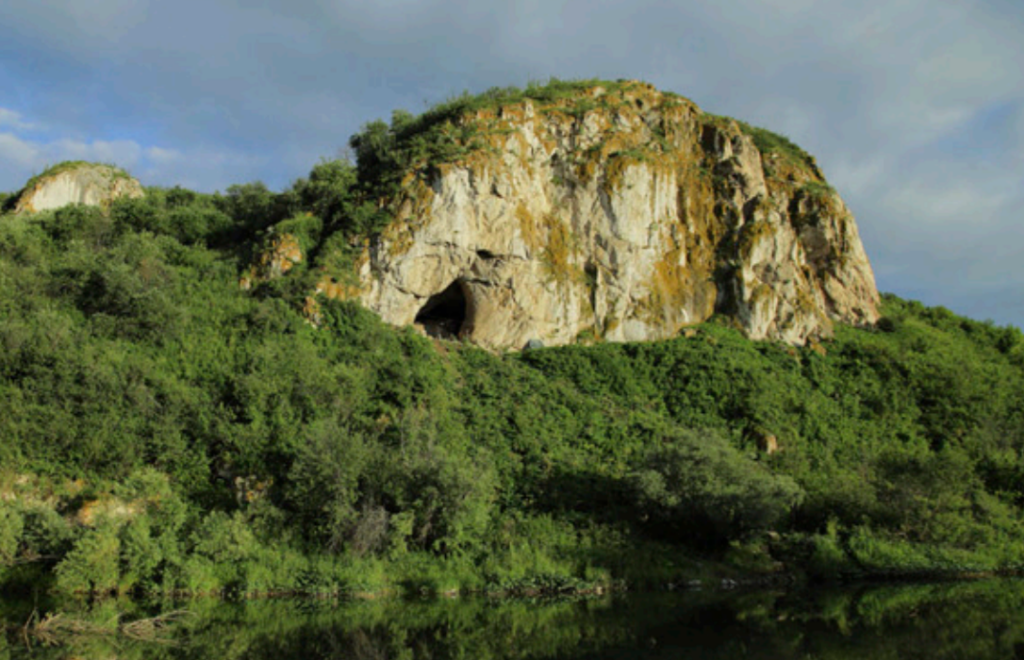
The holes and striations left behind by Zubova and her colleagues’ experiments very closely matched what they saw on the molar from Chagyrskaya, which means it’s very likely that the 59,000-year-old tooth was, in fact, the aftermath of an actual Paleolithic medical procedure.
We already knew that Neanderthals, and even earlier hominins, took care of their sick, injured, and disabled; archaeologists have found fossil hominins, dating back hundreds of thousands of years, sporting healed injuries and bone infections that couldn’t have survived without, at the very least, someone bringing them food while they healed. But the Chagyrskaya molar is evidence of skilled medical treatment. It’s the difference between chicken soup and minor surgery.
“Treating a carious tooth is not just feeding or guarding someone. It requires diagnosing the source of pain, selecting an appropriate tool, performing a painful, invasive action, and persisting despite the patient’s discomfort,” said Kolobova. “That is active, targeted medical intervention.”
And—in a frankly impressive success for dental surgery performed in a cave with a sharp rock—the patient went on to use the tooth for years afterward. The molar showed signs of normal long-term wear and tear, which could have only happened if the patient lived to chew another day.
Credit:
Kolobova et al. 2019
What did poor Og go through?
What would this whole experience have been like for the Neanderthal patient? Like modern dentistry—only much, much more so—it would have been deeply unpleasant but better than the alternative. The patient wouldn’t have had the benefit of modern anesthetics, but archaeological traces at other sites suggest Neanderthals knew about medicinal plants like chamomile and yarrow, as well as antiseptics like birch tar. And there are some natural painkillers among the plants of modern Siberia, like white clover, which is also a handy antiseptic.