dailynewsnblog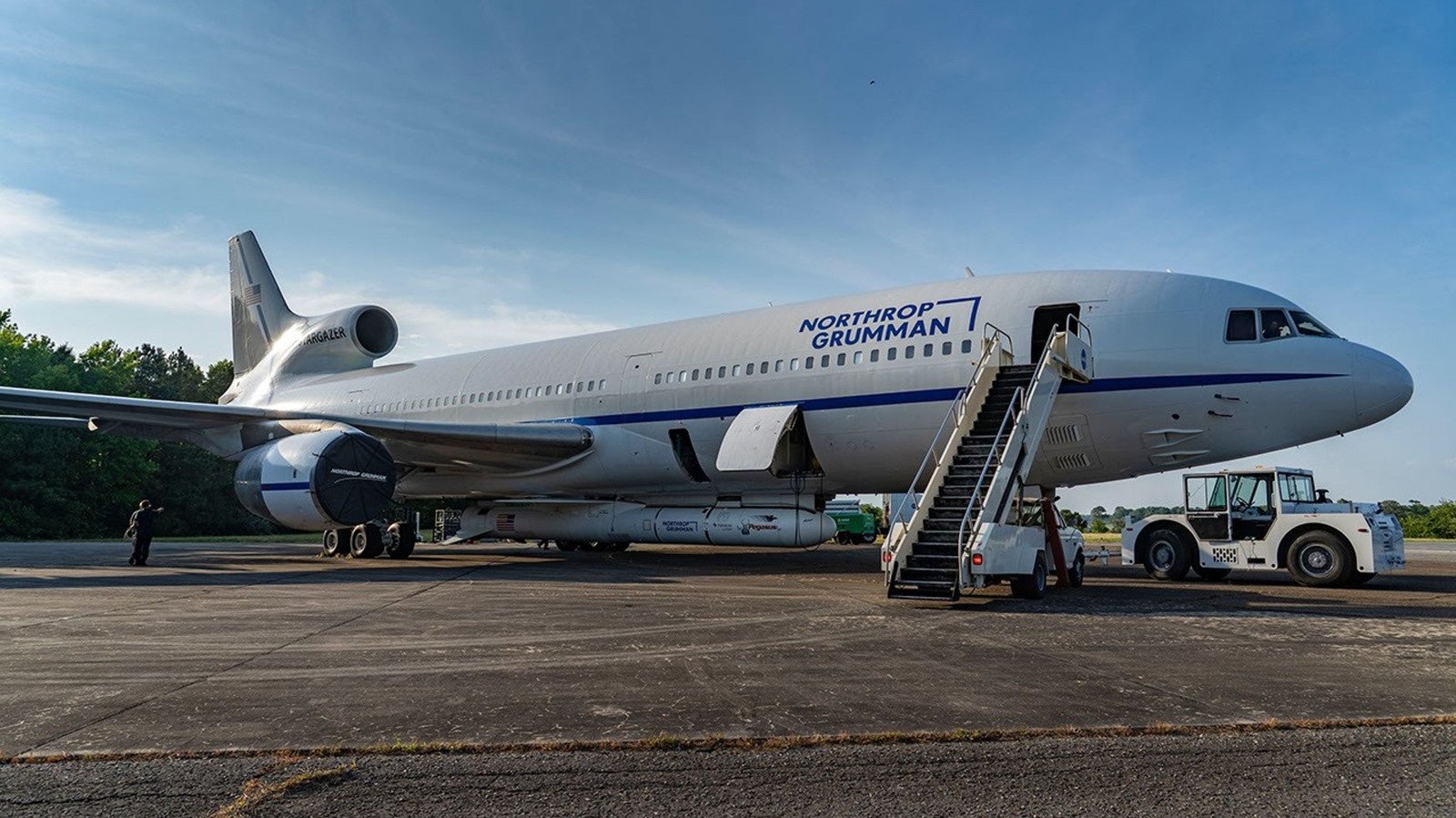
The Swift Boost rescue mission will soon head to space.
The NASA Swift Boost mission is on track to launch later this month to rescue the Neil Gehrels Swift Observatory, whose orbit is decaying faster than anticipated. In other words, the space telescope is falling is too fast, and the agency intends to rendezvous with it and keep it in space for a few more years than it would have lasted without intervention. According to the publication Space, launch has been set for June 27.
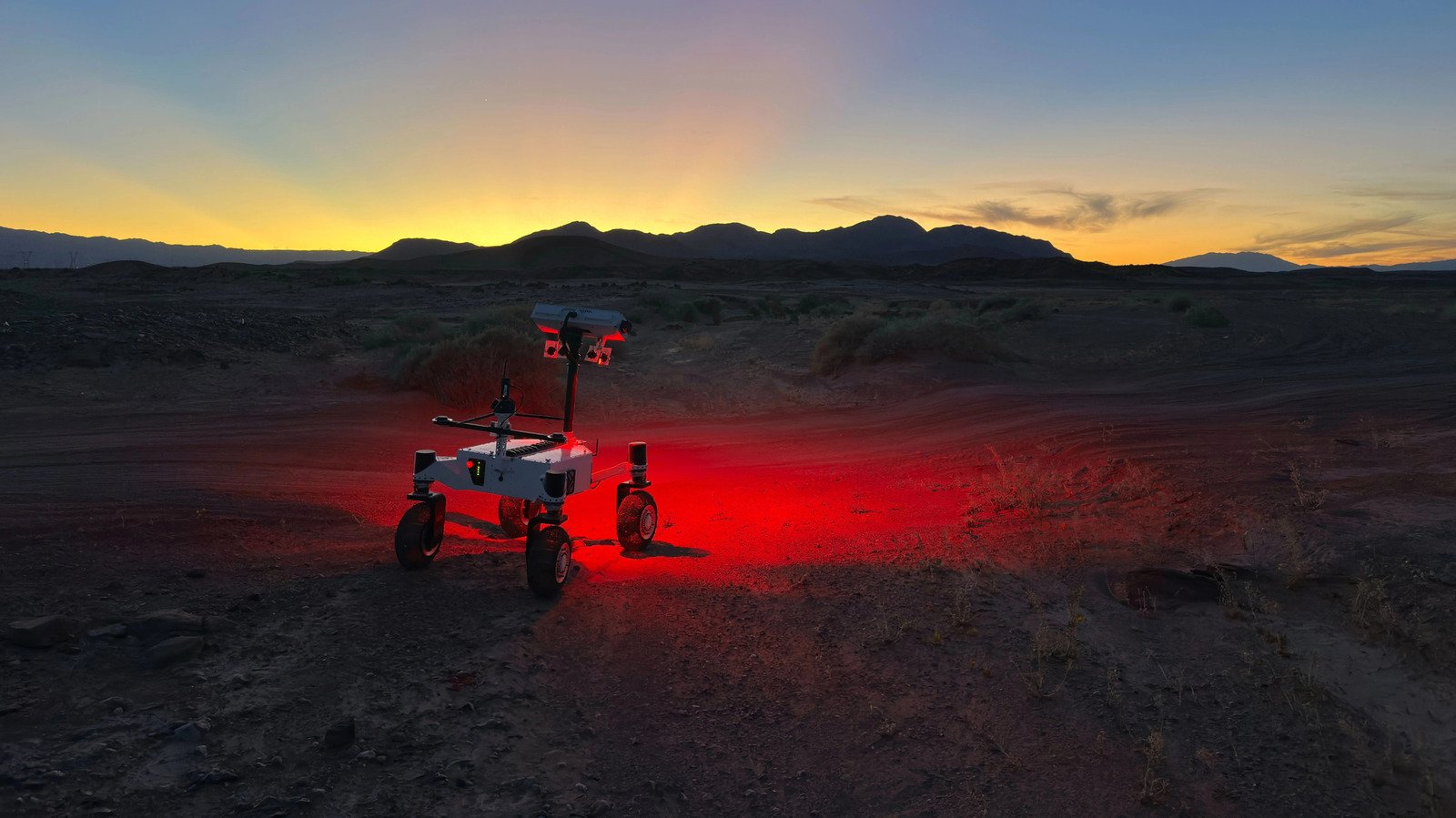
NASA teamed up with Arizona company Katalyst Space last year to build LINK, a robotic spacecraft designed to dock with the observatory and tug it to a higher orbit. On June 9, engineers at NASA’s Wallops Flight Facility in Virginia finished installing LINK to a Northrop Grumman Pegasus XL rocket. A few days later, on June 12, they attached the rocket to the belly of a Northrop Grumman plane called Stargazer. The plane left Wallops on June 18 for Kwajalein Atoll in the South Pacific Ocean where it will take off in a week’s time.
Stargazer will carry Pegasus XL to an altitude of around 40,000 feet before releasing it in the air. The rocket will free fall for a few seconds before firing its motors and delivering LINK to space in approximately 10 minutes. While all satellites in orbit lose altitude over time, the Swift telescope’s orbital decay has been faster than most. NASA explains that it’s because the observatory has been experiencing more atmospheric drag than anticipated due to recent increases in the sun’s activity.
“Given how quickly Swift’s orbit is decaying, we are in a race against the clock, but by leveraging commercial technologies that are already in development, we are meeting this challenge head-on,” said NASA’s Shawn Domagal-Goldman when the agency’s partnership with Katalyst was announced.
The Swift telescope launched in 2004 to study gamma-ray bursts, though it’s now being used as a general-purpose multi-wavelength observatory. NASA says Swift serves as a “dispatcher” when a sudden event takes place in the universe, providing critical information that allows other observatories to follow up and learn more. For instance, it detected the location of an X-ray source, which turned out to be a 13-billion-year-old supernova, based on the data that was subsequently gathered by other observatories like the James Webb telescope.