dailynewsnblog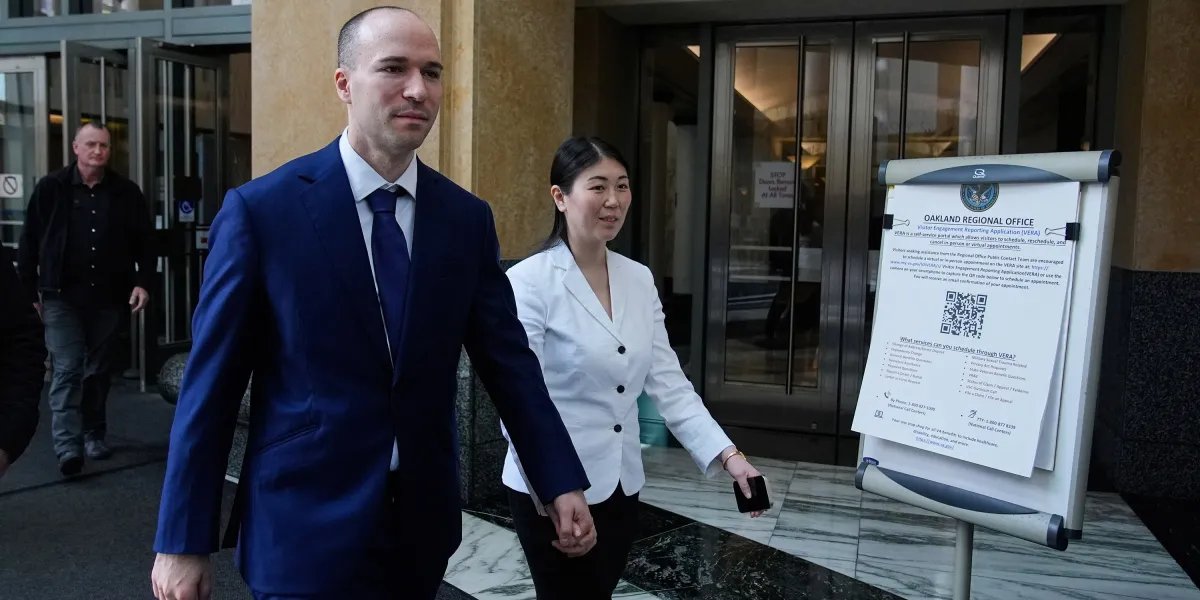
Over the next six weeks, Brockman said, Musk and the other cofounders had intense discussions about creating a for-profit entity to raise enough capital to build artificial general intelligence—powerful AI that can compete with humans on most cognitive tasks. Musk wanted to have majority equity in the entity and the right to choose a majority of the board members. He also wanted to be its CEO, said Brockman.
Brockman testified that in August 2017, he and other cofounders gathered to hash out the terms of the for-profit structure. Ilya Sutskever, OpenAI’s chief scientist at the time, arrived bearing a painting of a Tesla as a “token of goodwill” in return for the actual Teslas Musk had given them days earlier. “It felt a little bit like [Musk] was buttering us up, right,that he wanted us to feel indebted to him,” Brockman told the jury.
When Brockman and Sutskever proposed that they all have equal shares of equity, said Brockman, Musk fell silent and finally said, “I decline.” Musk then stood up and “stormed around the table,” he said. “I actually thought he was going to hit me.” Musk grabbed the painting and walked out.
Brockman said that afterwards he struggled to decide whether to continue building OpenAI with Musk or break away. “There was a fork in the road,” he said. “Do we accept Elon’s terms? Or do we reject the terms, he quits to create his own, and then we create our own?”
“The one thing we could not accept was to hand him unilateral, absolute control, potentially, over the AGI,” Brockman told the jury.
What was Brockman thinking?
In his theatrical baritone, Molo argued that Brockman was motivated by greed rather than a commitment to OpenAI’s nonprofit mission to develop AI that benefits humanity. He noted that while Brockman never invested money in the company, he now owns a stake worth close to $30 billion.
“Solving for the mission has always been my primary motivation,” Brockman said, pushing back on Molo’s characterization of him. “It remains so today.”