dailynewsnblog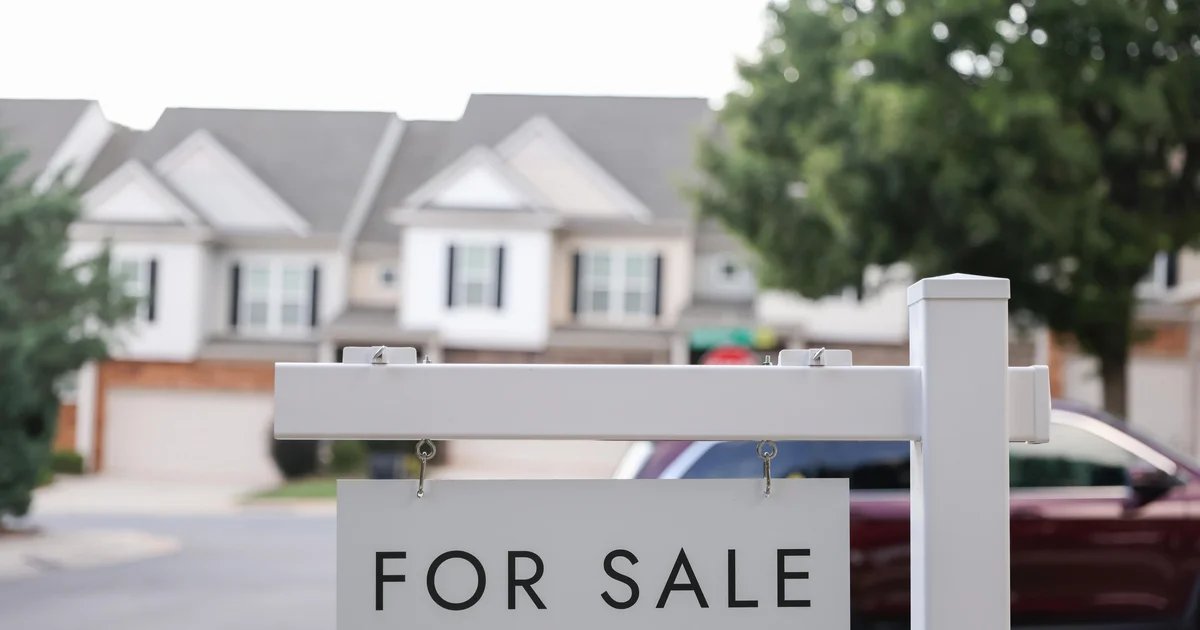
House hunters are facing a fresh affordability crunch as mortgage rates hit 7% this week, marking their highest level in almost two years. The coming weeks aren’t likely to offer any relief, with some experts telling CBS News that borrowing costs could continue to rise.
Rates are “far more likely to go up than down by the end of the year or in the next month or two,” Jake Krimmel, senior economist at Realtor.com, told CBS News.
Data from Freddie Mac released on Thursday shows that the average 30-year fixed-rate mortgage is now 7.03%, the highest since January 2025. Rates have increased by more than a full percentage point since the end of February, when they briefly dipped below 5%.
Separate data from the Mortgage Bankers Association (MBA), issued on Thursday, shows that the 30-year fixed-rate mortgage hit 7.12% the week ending Sept. 18.
“Higher inflation, the prospect of tighter monetary policy, potentially stronger economic growth and ballooning federal debt have pushed up mortgage rates,” Joel Kan, vice president and deputy chief economist for the MBA, said in an email.
The 30-year fixed-rate mortgage tends to follow the 10-year Treasury yield, which has spiked in recent months as the war in Iran fuels inflation and pushes up borrowing costs. Bond market investors are seeking higher yields to compensate for what they view as riskier investments as they grapple with the longer-term impact of the war overseas and rising government debt.
Volatility has increased in recent days, with the 10-year Treasury yield hitting 5.1% on Thursday, the highest level in around two decades and the largest single-day increase since April 2025, Zillow Home Loans senior economist Kara Ng noted.
“That kind of bond market move introduces real upside risk to mortgage rates,” she said in an email.
How much higher could rates go?
Experts are divided, with some forecasting the potential for higher rates over the next few months. Yet Zillow predicts mortgage rates could dip to 6.7% by the end of the year and 6.3% by the end of 2027, offering modest relief to buyers.
Volatility in the bond market is “a reminder that the path down is not guaranteed to be smooth,” Ng said.
The direction of mortgage rates will depend on the inflationary impact of the Iran war, Lawrence Yun, chief economist for the National Association of Realtors, told CBS News in an email. If a deal is reached to end the war, oil prices and mortgage rates could tumble, he said.
But if the war continues to disrupt oil flows, it could have a greater impact on rates, he added.
Inflation in August stood at 3.4% on an annual basis, up one percentage point since the war started. Stubborn inflation prompted the Federal Reserve to raise interest rates at its meeting earlier this month. Another rate increase could be in store before the end of the year, with interest rate traders pricing in a 66% likelihood for the Fed’s next meeting in October, according to CME Group.
Expectations of additional rate hikes could add more pressure to an already expensive housing market. Investors often anticipate rate decisions, and their expectations can drive up the bond yields that influence mortgage rates, Krimmel said.
To be sure, even if inflationary pressures from the war subside, other factors could still keep mortgage rates elevated.
“Over the longer term, budget deficit pressures and economic growth driven by AI and data center investment will prevent mortgage rates from falling meaningfully,” Yun said.
Where buyers can save
Home buyers may still have some forces working in their favor, despite the current rise in borrowing costs, experts note.
Home buying activity tends to slow after the peak summer season, giving house hunters access to more inventory and the chance to secure a lower price.
“Less competition means more negotiating power, and the ability to be more selective and deliberate about the right home,” Ng said.
Home prices are already showing signs of softening. In August, for example, more than one in five homes in the market saw their price cut, according to Krimmel.
“Price cuts and the gains on your monthly budget can be greater than the gains from what you might get on saving 10 or 12 points on your interest rate,” he said.