dailynewsnblog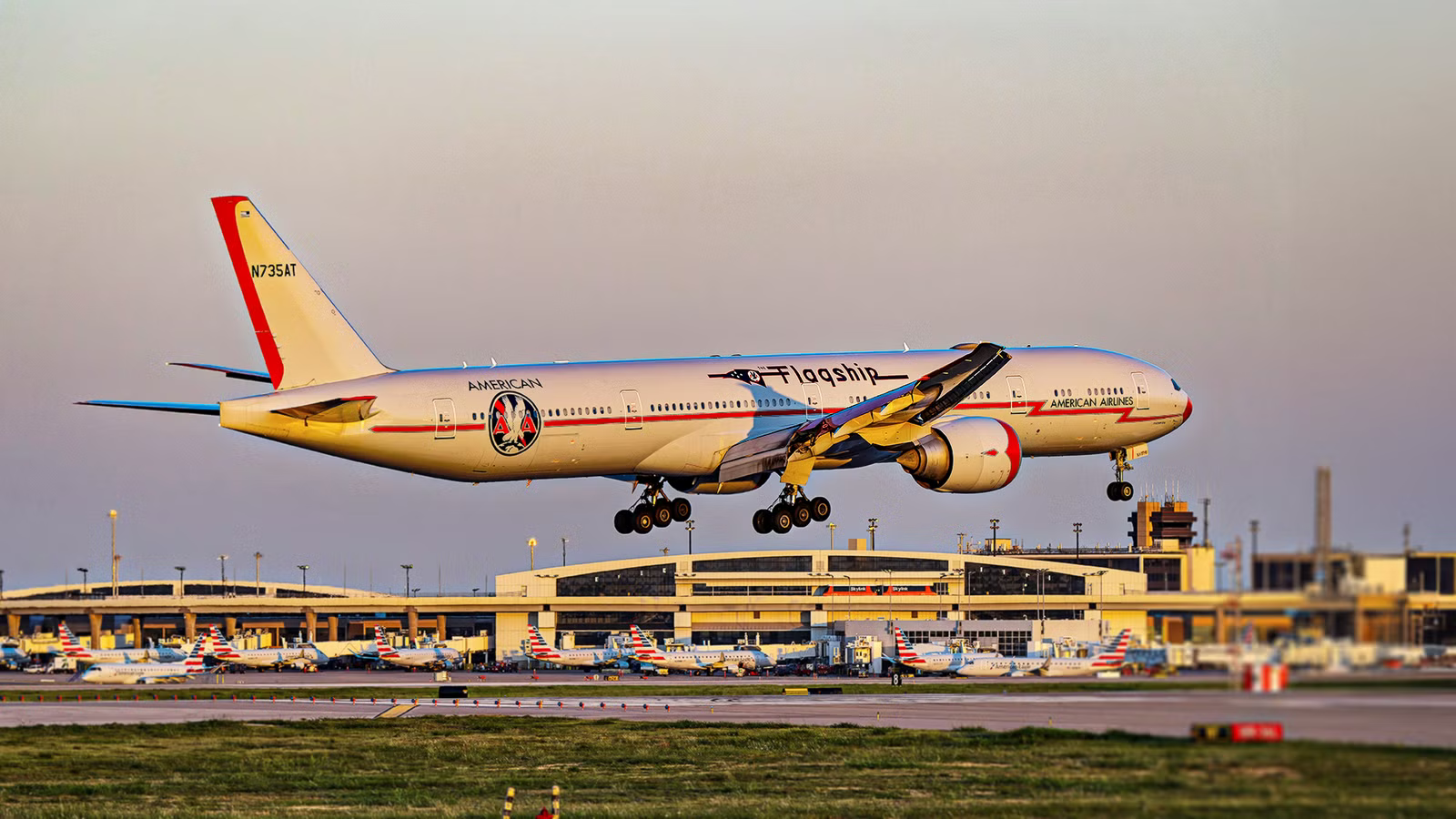
Global air passenger traffic is projected to reach approximately 5.2 billion passengers in 2026, equivalent to around 10.2 billion airport passenger movements. This represents year-on-year growth of between 3.9% and 4.4%. Yet, despite growing demand for air travel, more airlines are cutting flights and reconsidering their capacity plans. The aviation industry is no stranger to disruption. In recent years, airlines have faced the unprecedented impact of the COVID-19 pandemic, followed by multiple airspace closures and operational challenges linked to geopolitical conflicts. More recently, however, the focus has shifted from navigating disrupted Middle Eastern airspace to dealing with another consequence of the conflict: persistently high jet fuel prices. The initial geopolitical shock sent energy prices sharply higher, but its impact on airline costs has lasted considerably longer.
 American Airlines has warned that persistently high fuel prices could require further capacity adjustments, while
  United Airlines and
  Southwest Airlines have also modified their schedules. American’s fourth-quarter fuel expense alone is now expected to be roughly $1 billion higher than previously assumed. The pressure is not limited to the United States, with airlines around the world adjusting schedules and capacity as they look for ways to reduce fuel exposure and protect margins. With demand still growing, the wave of capacity cuts highlights just how significantly higher fuel prices are reshaping airline networks and the outlook for global air travel.
The Fuel Crisis In 2026

Nadezda Murmakova| Shutterstock
Jet fuel prices surged in 2026 after the closure of the Strait of Hormuz disrupted both crude oil supplies and the refined products aviation depends on. According to IATA, the closure on February 28 cut around 10 million barrels of crude oil per day from global markets, equivalent to approximately 10% of global consumption. Jet fuel prices subsequently climbed by more than 120%, reaching $1,838 per tonne in early April before stabilizing above $1,500. However, the loss of crude supply alone does not explain the scale of the increase.
The disruption has also created a shortage of refined fuels, pushing refining margins for diesel and jet fuel from around $15–$20 per barrel before the conflict to approximately $50–$80. China’s restrictions on refined fuel exports have added further pressure by removing an important source of supply from the international market. Airlines are therefore facing higher crude prices and an increasingly expensive, constrained supply of the finished jet fuel their aircraft require.

The impact is also becoming increasingly uneven across regions as inventories decline and established supply chains are rerouted. With fuel typically accounting for around 25–30% of airline operating costs, such a dramatic increase can quickly change the economics of operating a flight. The question now is how airlines are absorbing those costs, and which carriers are most exposed.
US Airlines Continue To Cut Capacity

BravoKiloPhoto | Shutterstock
For US airlines, one of the most immediate ways to absorb higher fuel costs has been to reduce flights that are no longer economically viable. American Airlines CEO Robert Isom has warned that persistently elevated fuel prices could force further capacity adjustments, with the carrier’s fourth-quarter fuel bill now expected to be around $1 billion higher than previously assumed. American has also lowered its full-year earnings outlook to between an adjusted loss of $0.65 per share and a profit of $0.65, compared with its previous range of a $0.40 loss to a $1.10 profit. That forecast assumes an average fuel price of approximately $3.75 per gallon.
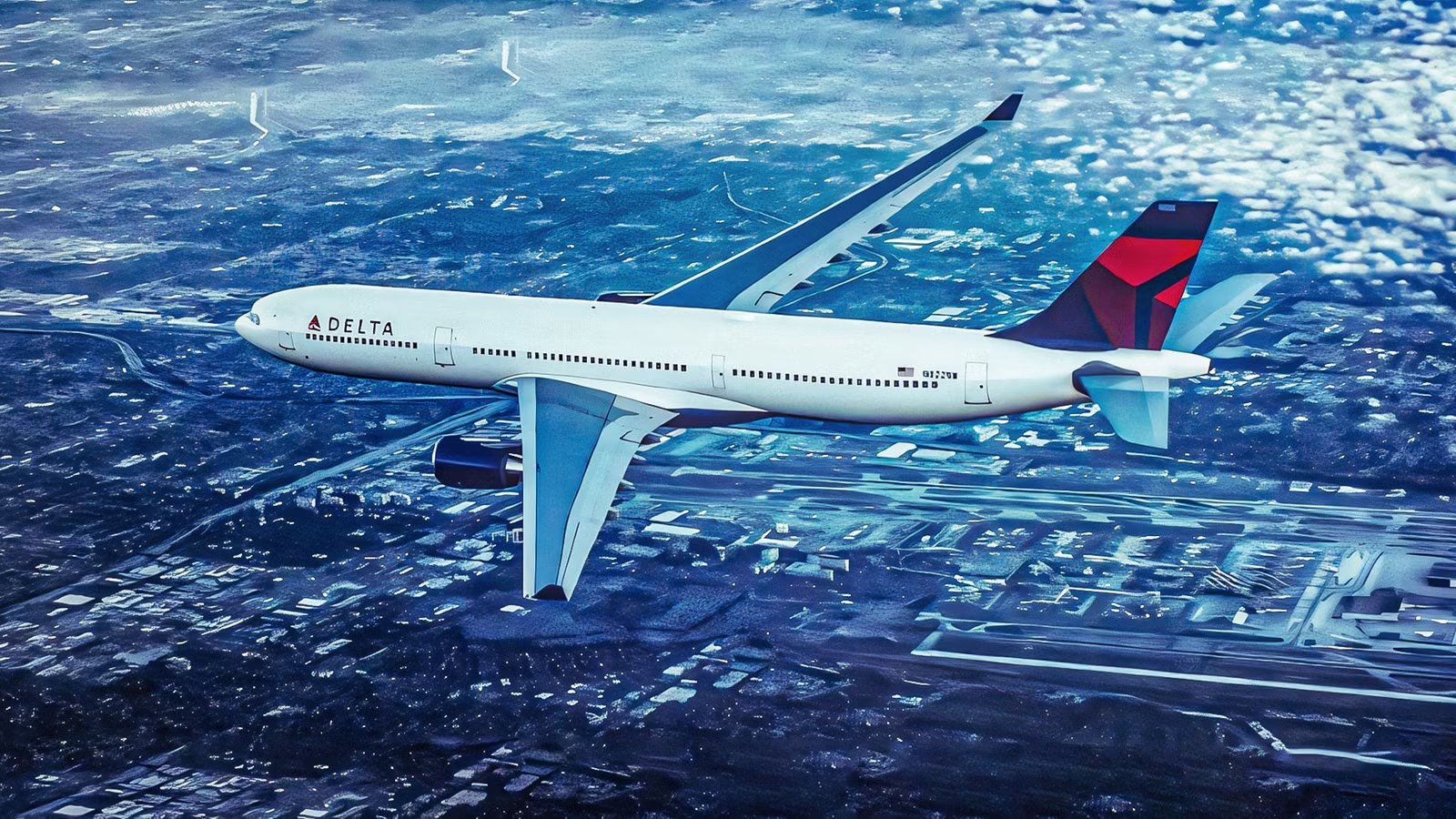
American is far from alone. United Airlines has reduced capacity by roughly 5%, targeting weaker flying that becomes increasingly difficult to justify as fuel prices rise. CEO Scott Kirby has warned that oil could remain above $100 per barrel through the end of 2027, while United could face close to $6 billion in additional fuel expense this year. Delta has trimmed capacity by around 3.5 percentage points, including services from Detroit, Boston and New York JFK, while Alaska Airlines suspended its full-year guidance after estimating second-quarter fuel prices of around $4.50 per gallon and approximately $600 million in additional costs. Southwest, meanwhile, reported that its second-quarter fuel expense increased by almost $900 million year over year and subsequently lowered its 2026 earnings expectations.
The reductions are particularly significant because airlines are not necessarily responding to a collapse in passenger demand. Instead, higher fuel costs are changing the profitability threshold of individual routes and frequencies: flying that worked at one fuel price may no longer make financial sense at another. A full aircraft, after all, is not necessarily a profitable one. The question is whether this capacity response is confined to the US market or whether the same pattern is emerging across global airline networks.
Fuel Crisis and Airlines Beyond The US

The capacity response is not confined to the United States. Airlines across Canada, Asia, Australia and Europe are also adjusting schedules, capacity and financial expectations as higher fuel prices change the economics of flying. Air Canada suspended services from Toronto and Montreal to New York JFK, citing fuel economics, while Asiana removed 22 flights from its schedule and Korean Air entered emergency management mode. Cathay Pacific cut capacity by around 2%, with reductions reaching 6% at HK Express, while Qantas removed roughly five percentage points from its fourth-quarter domestic capacity. The financial implications are significant: IATA has warned that the fuel shock could roughly halve global airline profits in 2026.
Europe provides another clear example of how higher fuel costs are feeding directly into airline planning. Air France-KLM said in late April that its 2026 fuel bill was expected to reach $9.3 billion, around $2.4 billion higher than previously anticipated, with $1.1 billion of that increase expected in the current quarter alone. The group subsequently reduced its capacity-growth forecast from 3–5% to 2–4%. Ryanair, meanwhile, illustrates the protection that hedging can provide: around 80% of its fuel requirements through April 2027 were hedged at approximately $67 per barrel. Even with that protection, the airline warned that sustained high fuel prices could increase unit costs by around 5%. easyJet has faced more immediate pressure, reporting an unexpected £25 million fuel-cost hit in March and raising minimum ticket prices by £2–£3.
Yet these examples also reveal an important complication: the same fuel shock does not affect every airline equally. The impact depends on factors including hedging positions, network structure, margins and an airline’s ability to pass additional costs on to passengers. Ryanair entered the crisis with much of its near-term fuel exposure protected, while easyJet was already seeing higher costs feed through into ticket pricing. Air France-KLM, meanwhile, responded by moderating planned capacity growth. The question, therefore, is no longer simply whether higher fuel prices are hurting airlines, but which business models and networks are best positioned to absorb them and which could face further capacity cuts if elevated prices persist.
Why Airlines Are Cutting Flights Despite Strong Demand

A full aircraft is not necessarily profitable. As fuel costs rise, thin-margin routes can quickly become uneconomical, particularly longer sectors, low-fare services and flights operated by less efficient aircraft. As the graph below shows, rising jet fuel prices through April coincided with a sharp increase in daily flight cancellations. While fuel was not necessarily the cause of every cancellation, the trend illustrates the growing pressure on airline operations.

Tracking the Surge: Price vs. Cancellations | TimeTrex
Airlines can respond by raising fares, deploying more efficient aircraft, or cutting frequencies and routes. Reducing capacity can also support higher fares when demand remains strong. For financially vulnerable carriers, protecting margins is particularly important, as Spirit Airlines demonstrates: existing financial difficulties left the carrier with little room to absorb further increases in operating costs.
The result is a shift towards profitability rather than maximum capacity growth. Airlines are increasingly likely to prioritize stronger, premium-heavy markets while cutting marginal services. The question is no longer simply whether passengers want to fly, but whether airlines can carry them profitably.
Why Some Airlines Are Better Protected

The impact of the fuel shock varies considerably between airlines, largely because of fuel hedging. Carriers can use futures and options to lock in part of their fuel costs before prices rise, providing temporary protection from market volatility. US airlines have largely moved away from fuel hedging, leaving them more directly exposed to current prices.
The difference is substantial. Air France-KLM had hedged around 67% of its expected 2026 fuel consumption, while Lufthansa’s coverage stood at 86%. Ryanair had locked in around 80% of its requirements for the coming financial year based on crude at $67 per barrel, while Qantas reported an 85% hedging position for the first half of 2027. Cathay Pacific said hedging and fuel surcharges covered around half of its second-quarter fuel-cost increase.
Hedging, however, is only one form of protection. Airlines operating newer, more fuel-efficient fleets generally have lower exposure, while larger carriers have greater flexibility to redeploy aircraft, and premium-heavy airlines may have more scope to pass costs on through fares. Persistently expensive fuel could therefore strengthen the economics of replacing older aircraft with A320neos, 737 MAX, A350s and 787s, potentially accelerating fleet renewal even after the immediate fuel shock subsides.
The Long-Term Impact of the 2026 Jet Fuel Crisis

Scharfsinn | Shutterstock
The effects of the 2026 fuel shock could last considerably longer than the geopolitical disruption that triggered it. Even if tensions ease, the aviation industry is unlikely to return immediately to the fuel environment seen before February. Refinery closures and conversions have reduced processing capacity, while jet fuel competes with diesel and other middle distillates for limited refinery output. High refinery utilization, restrictions on Chinese refined-product exports and limited spare capacity across the global energy system mean rebuilding inventories and restoring established supply chains could take time.
For passengers, prolonged fuel pressure could mean fewer frequencies, less choice on marginal routes, and higher fares as airlines concentrate aircraft on markets that can support higher yields. However, the crisis could also strengthen the incentive to reduce aviation’s long-term dependence on conventional jet fuel. Airbus continues to develop its ZEROe hydrogen concept, Rolls-Royce has demonstrated an engine operating at full take-off power using 100% hydrogen, and ZeroAvia is progressing with its hydrogen-electric ZA600 powertrain. Heart Aerospace (which United Airlines invests in) is meanwhile developing electric and hybrid-electric aircraft, while SAF and synthetic e-fuels offer another potential pathway away from conventional fossil-derived jet fuel.
None of these technologies can resolve today’s fuel shortage, and widespread commercial adoption remains years away. However, a crisis exposing both the price and supply risks of conventional jet fuel could change how airlines, manufacturers, and governments evaluate investment in alternative propulsion. The fuel shock of 2026 may therefore leave behind more than reduced schedules and higher fares: it could accelerate a broader rethink of how commercial aircraft are powered.