dailynewsnblog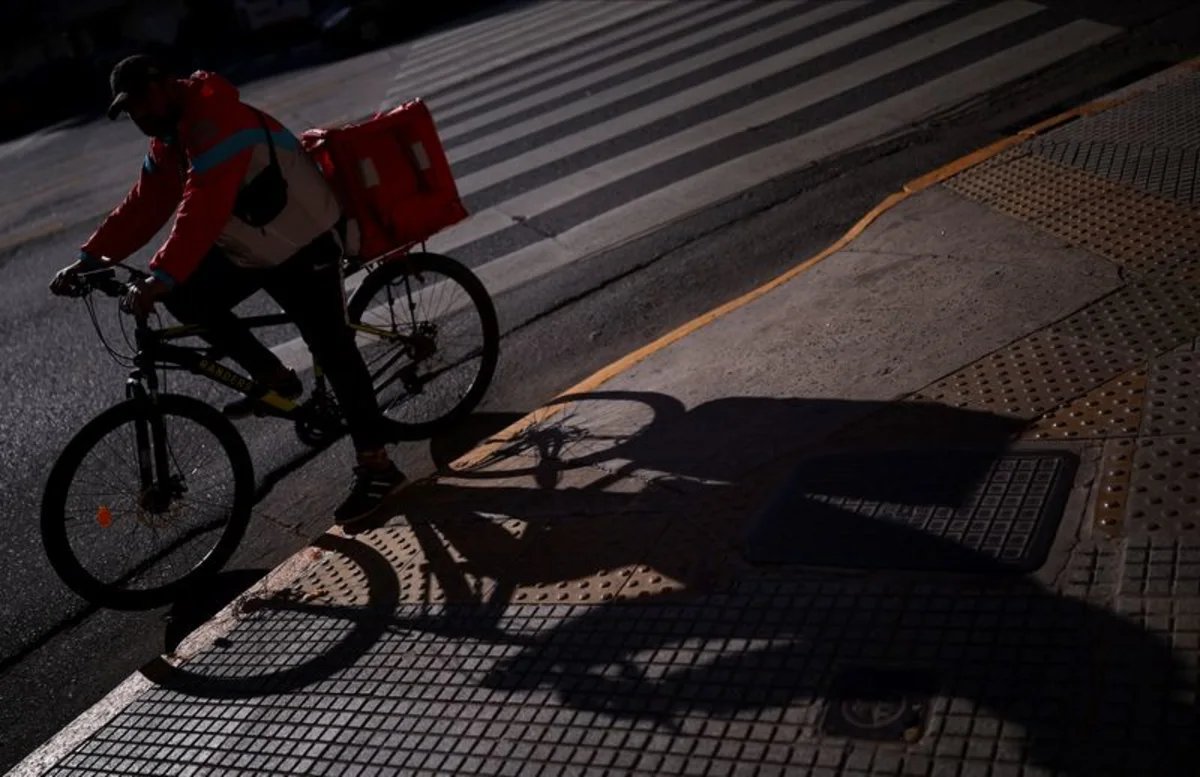
By Hernan Nessi
BUENOS AIRES, Sept 4 (Reuters) – When traffic authorities confiscate a delivery rider’s motorcycle in Buenos Aires, getting back to work can depend on taking out costly digital loans, feeding a debt cycle that is increasingly binding Argentina’s gig workers to the apps they rely on for income.
Albert Quintero, a 41-year-old courier, earns on average 70,000 pesos ($46) per day delivering takeaway meals. But recovering an impounded motorcycle can cost around 140,000 pesos ($90) in fines and fees, a bill he says many workers can’t afford without borrowing.
More app workers are turning to fintech loans, including credit offered by the same delivery platforms they work for, despite interest rates that regularly run into triple digits.
Apps such as PedidosYa offer loans to riders at a 131% annual rate, while digital wallet Personal Pay charges around 170%.
“There are many who don’t have the money,” said Quintero, and so they take on debt.
As households in Argentina grapple with rising living costs and concerns over jobs, fintech apps are becoming an important source of credit. They also increasingly offer a window into how workers and families are navigating President Javier Milei’s economic overhaul, which includes belt-tightening reforms that have pinched Argentine households already under financial strain.
The country’s fintech lending sector has expanded 20-fold, to 10 million individual loans, compared with 500,000 loans six to seven years ago, according to Mariano Biocca, executive director of the Argentine Fintech Chamber, an industry group.
The rise comes as Milei’s reforms begin to reshape Argentina’s financial system.
For years, soaring inflation, repeated recessions and sovereign debt crises discouraged lending. As inflation has slowed and economic stability improved, banks and digital platforms are lending more, while government austerity measures, like cuts to subsidies, have squeezed household budgets, increasing credit demand.
STRUGGLING TO REPAY
Nearly 6 million people are more than 90 days behind on repayments, almost a third of all borrowers, estimates compiled by the Fintech Chamber show. The ratio of bad loans among households rose to 12.8% in June, the highest level since records began in 2010, according to central bank data, and up from 2.8% when Milei took office in late 2023.
Analysts said the change extends beyond the economy. Borrowers who grew accustomed to high inflation eroding the real value of their debts are now grappling with sharply positive real interest rates — often in triple digits — that make loans more expensive to service. A report by consultancy Analytica found young people were the most affected by bad debt.