dailynewsnblog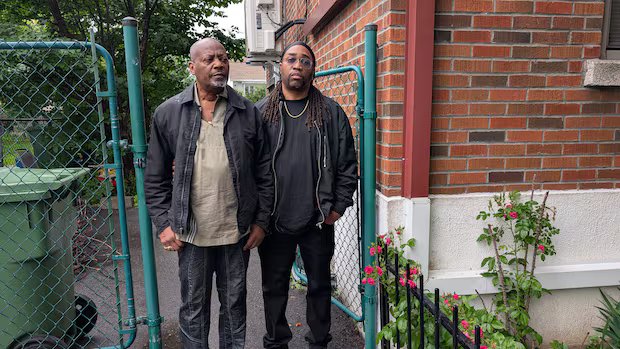
Last September, on a quiet residential street in Montréal-Nord, three generations of the Estimé family gathered for a backyard barbecue in their longtime home. The family matriarch was turning 74.
At around 9 p.m. that evening, two police officers arrived in response to a noise complaint.
Faetienot Estimé, the youngest of the couple’s four children, says his family co-operated, and lowered the volume of the music.
An hour later, however, several officers returned and, according to the family, the situation quickly deteriorated.
Estimé said he tried to help his mother when he saw she was speaking with an officer by the side of the home, but was told he should not be involved. At that point, he called out for his 77-year-old father.
“Before I knew it, things escalated so quickly,” he said.
One officer, he said, discharged pepper spray directly into his father’s eyes. His mother was also allegedly sprayed and scraped her knee when she was pushed by an officer.
“There were kids in the party, there were elders in the party. Everybody got pepper sprayed,” Estimé said.
His father was eventually taken in an ambulance to a nearby hospital, where he spent several hours.
CBC News reviewed photos of the aftermath of the incident, showing people struggling to overcome the effects of the pepper spray, with medical responders at the scene. Another shows Estimé’s father in a hospital bed.
Earlier this June, nearly nine months after the incident, a $158 ticket arrived in the mail for “making noise in a private place.”
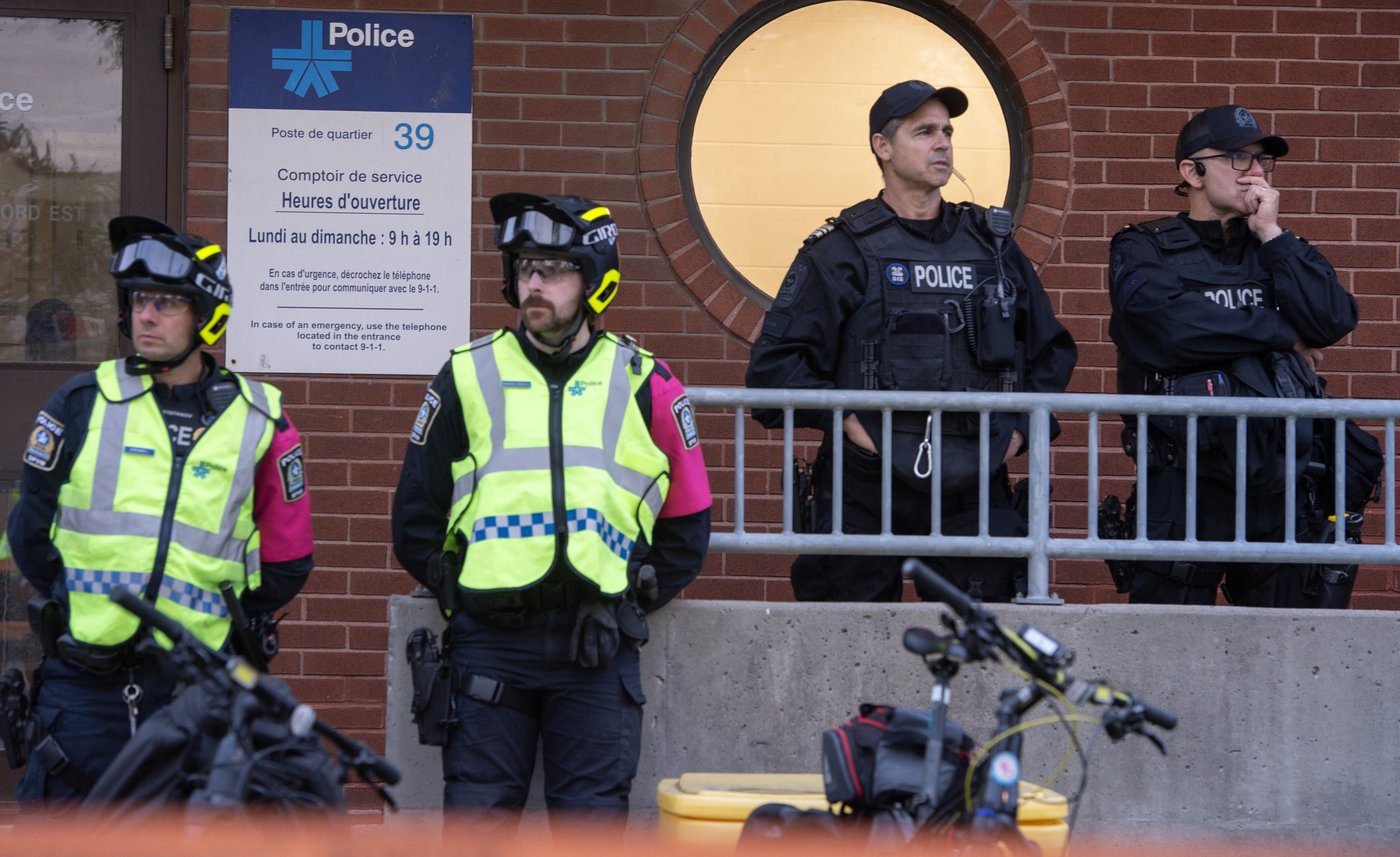
The ticket was filled out by an officer with Station 39, the same police station where 16 officers are now under investigation for racist and hateful acts against Black and Arab individuals.
Montreal police declined to comment on the allegations, saying it doesn’t want to “influence any potential judicial, ethical or disciplinary proceedings.”

‘Why, because we’re Black?’
Estimé has filed a complaint with Quebec’s Human Rights Commission and the Police Ethics Commissioner about the case with the assistance of the Center for Research-Action on Race Relations (CRARR), a local human rights organization.
The complaint, which has not yet been heard before either investigative body, alleges excessive use of force, abuse of police power and discriminatory treatment. His parents are planning to follow suit with a complaint of their own.
Estimé and his family believe that their race was a factor in the treatment received.
“It doesn’t make sense. And why, because we’re Black?” he said.
“If we were white, would there have been an intervention like this? I don’t think so. I’m sorry to say it, but it’s the reality we’re in.”
His father, Joseph Raphaël Estimé, who is originally from Haiti, has lived in Canada for more than 50 years. He said he had never experienced anything like this.
“I know this country,” he said. “This is not normal. It’s excessive.”
He said his decision to file a complaint was reinforced after learning about the alleged discrimination by police officers in Montréal-Nord.
Complaints on rise, but not always heard
Fo Niemi, the executive director of CRARR, said he has fielded numerous complaints from people in the neighbourhood, particularly young Black men, who have been subjected to excessive use of force by police.
This particular case, he said, shows “disproportionate and differential treatment on the part of the local police department towards, in this case, a Black family and the extended family.” Niemi said many are reluctant to come forward with complaints because they don’t have trust in the system.
“We always have to explain and we want to encourage people to file complaints because we’re telling people if you don’t file complaints, nothing will change,” he said.
Still, reported complaints of racial profiling and discrimination against Quebec police have climbed.
According to the 2024-25 annual report from the province’s Police Ethics Commissioner, complaints alleging racism and profiling nearly doubled last year, with a total of 493 cases.
Only six of those made it to the police ethics tribunal, and only two of those resulted in an officer being found in the wrong.
Even though Estimé now lives on Montreal’s South Shore, where he works as a lab technician, he remains hopeful that things will change in his childhood neighbourhood.
“I’m not doing it for myself,” he said. “I’m doing it also for the Montréal-Nord community.”