dailynewsnblog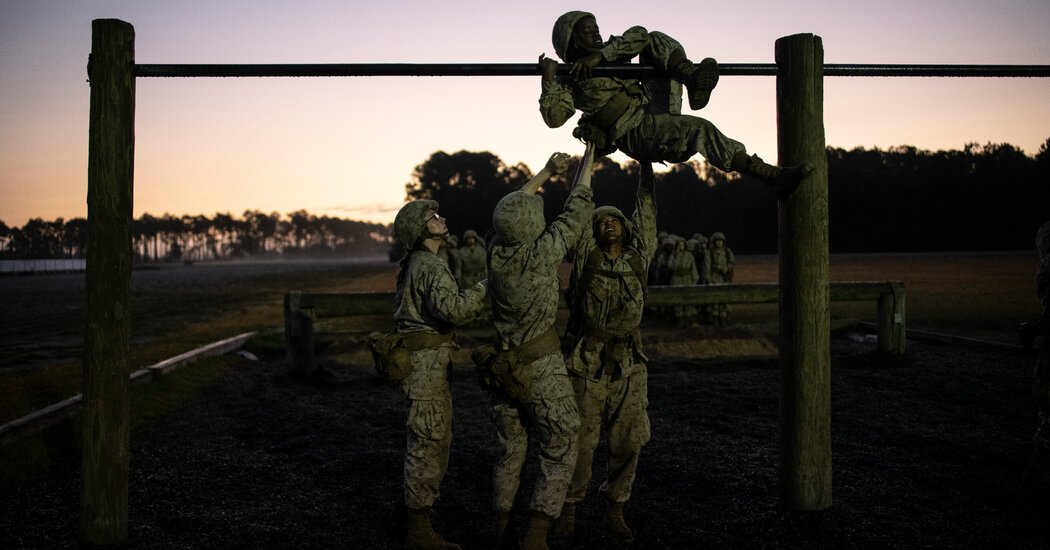
On May 5, several weeks before a major flu outbreak at an Air Force basic training in Texas, the leaders of the Army, Navy, Marine Corps and Air Force asked the secretary of defense’s office for permission to vaccinate trainees for the flu, military officials said.
The services were reacting to an April 21 order from Defense Secretary Pete Hegseth, which made the previously mandated flu vaccine optional for all troops. Troops at basic training are particularly susceptible to the flu because they sleep in bunk beds in open bays and share meals at large communal tables.
But the permission did not come until June 16, according to Pentagon officials. By that point the flu was already racing through an Air Force Basic Military Training wing in San Antonio.
The outbreak at Lackland Air Force Base, which began in June, has continued to spread, sickening about 275 people, many of whom have recovered and returned to training. A trainee in his sixth week of basic training died after falling ill and being taken to Brooke Army Medical Center earlier this month, the Air Force said in a news release. It was not immediately clear whether the death of the trainee, Keon McDaniel, was related to the flu outbreak.
The Pentagon confirmed on Wednesday that basic training units for all of the military services are once again requiring flu vaccinations for all recruits. The reversal, which was reported earlier by The Associated Press, follows Mr. Hegseth’s April announcement in which he cast the mandatory flu vaccine as a violation of troops’ religious freedom and medical autonomy.
“Under the disastrous Biden administration, this Pentagon waged an unrelenting war on our warriors on many fronts, including when it came to denying them simple medical autonomy and the freedom to express their religious convictions,” Mr. Hegseth said in a video announcing his decision.
He described the flu vaccine requirement as an “absurd, overreaching” mandate that had served to “weaken our warfighting capabilities.”
In fact, the military had been mandating that troops receive the flu vaccine for decades.
Many lawmakers, including some prominent Republicans, were puzzled and dismayed by Mr. Hegseth’s April announcement. Military leaders, who were given 15 days to request exemptions to policy, quickly realized that the new direction would leave troops vulnerable and potentially impair military readiness.
The Army memo dated, May 5, asked for exemptions to the policy for basic training, “deploying or deployed personnel” and military health care providers and first responders. The other services asked for similar flu vaccine exemptions for other key functions such as the Marine Corps’ Chemical Biological Incident Response Force.
In the weeks after Mr. Hegseth’s vaccine policy took effect on April 21, only about 40 percent of Air Force trainees opted to take the vaccine, an Air Force official said.
On June 16 and 17, Anthony J. Tata, the under secretary for personnel and readiness, signed memos granting the services’ requested exemptions so that the services could require the flu vaccine. A military official said that the timing of Mr. Tata’s memo was not necessarily driven by the flu outbreak, which at that point was already spreading through Air Force basic training.