dailynewsnblog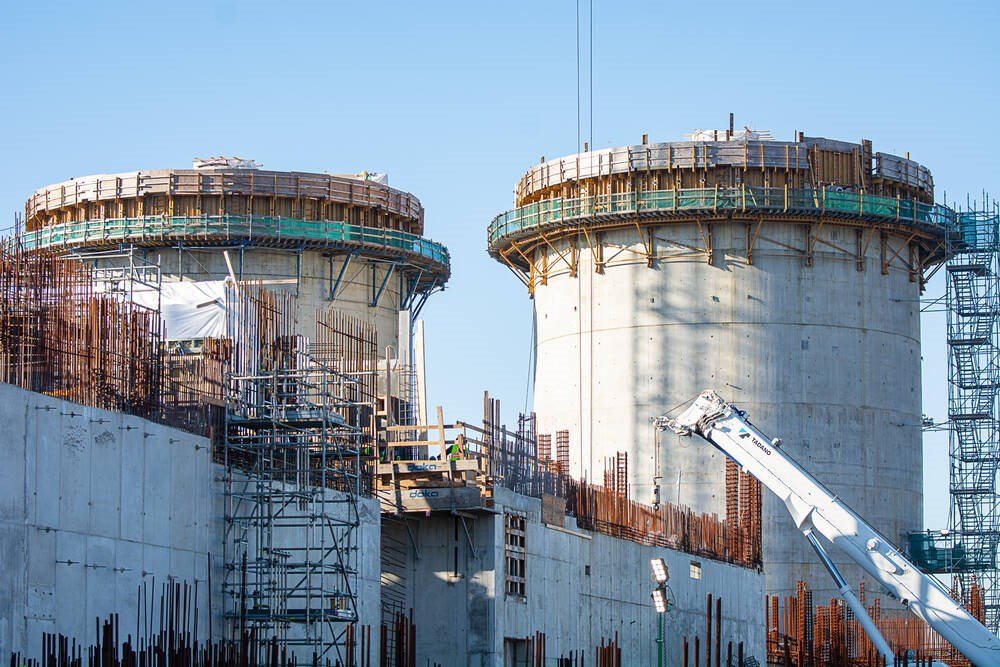

A Surrey councillor is calling for greater transparency after Metro Vancouver disclosed nearly $2B in projected interest costs for its newest treatment plant
Metro Vancouver says it estimates the cost to finance the North Shore wastewater treatment plant is close to $1.9 billion over a 30-year term, following inquiries from Business in Vancouver.
Those finance costs do not change previously reported estimates for how much each home across the region will pay for the plant, as they have already been factored into board-approved estimates.
Surrey Coun. and Metro Vancouver board director Pardeep Kooner raised the financing costs for the $3.85-billion plant last week during a municipal election campaign event for her Surrey Connect slate, led by Mayor Brenda Locke.
Surrey Connect proposed a number of governance reforms for Metro Vancouver while Kooner also stated in a news release her revised cost estimate of the plant is now $5.5 billion, were it to factor in financing costs—a matter omitted from the slate’s news release.
In a follow-up interview with BIV, Kooner conceded the cost of the plant remains $3.85 billion. She said her key concerns are that Metro Vancouver appears to be collecting money ahead of actually borrowing it, as well as general concerns about transparency, including how a total finance cost was never provided in reports.
“My concern is how much money will ultimately be collected from the public through utility rates to pay for this project, including the cost of financing the debt.
“If debt servicing is included in the annual rates, the public deserves a clear breakdown,” said Kooner.
Leading up to the board’s November 2024 approval of special new property tax levies to cover the project’s $3.15-billion cost overrun, staff reports repeatedly noted the financing implications of various amortization options. It was also well known that a majority of the funds would need to be borrowed. However, the reports did not provide a total financing cost.
The first-term councillor and chartered professional accountant raises the question, generally, of whether public bodies should include financing costs when announcing project cost totals to the public.
“I take issue that it’s not broken out in the budget what the cost of financing is when every other municipality does so,” said Kooner.
Metro’s director of communications Amanda McCuaig told BIV it is common practice for local government project price tags not to include financing costs.
Kooner said her council is clear on how much it borrows for a project, following the same practice as the City of Surrey.
BIV inquired as to whether its publicly touted $310.6 million price tag for the new Newton community complex includes debt servicing costs or lost investment income from internal borrowing.
According to city spokesperson Prabhjot Kahlon, it does. The project requires a $63 million loan from the Municipal Finance Authority.
Glen Brown, chair of Asset Management BC, told BIV he was not aware of any statutory reporting requirements for local governments to include financing costs.
A spokesperson for the Ministry of Housing and Municipal Affairs said borrowing costs are reported in local government audit reports, which typically do not break down costs by project but simply note annual debt-servicing costs as a single line item.
Kooner said the public should have a better understanding of the debt servicing for the plant project, not to mention the billions of dollars more that will be needed to fund an estimated $115 billion worth of infrastructure projects to 2041, with Metro Vancouver responsible for only a fraction of the costs.
Metro Vancouver told BIV the total projected external borrowing for the plant is $2.65 billion and borrowing is done after expenditures are incurred. Development cost charges will offset the loan by $166.1 million.
Metro Vancouver arrives at its $1.9 billion estimate by projecting by projecting average interest rates of four per cent.
The plant’s construction is otherwise funded from several sources, including federal and provincial government funding, development cost charges, settlement revenues and utility rates, which are added to property tax bills.
Metro Vancouver also reported that a $235 million settlement with former contractor Acciona has been applied to its cost estimates.
On average, according to Metro Vancouver, each household in the four sewerage billing areas will pay the following for the North Shore plant, in total: $656 per year for 30 years in the North Shore; $139 per year for 15 years in Vancouver, including portions of Burnaby; $83 per year in Richmond (Lulu Island West); and $90 per year in the Fraser region.
The area costs largely follow a longstanding apportionment methodology, with the North Shore accounting for 46 per cent of the total.
Those estimates include the settlement funds, which reduced annual costs per household, on average, depending on each sewerage billing area: $7 in Richmond; $8 in Fraser; $13 in Vancouver and $44 in the North Shore.
Costs and settlement rebates fluctuate depending on household size.
Metro spokesperson Jennifer Saltman told BIV terms of the settlement are not disclosed.
[email protected]
BIV’s free newsletters cover daily business, real estate, B.C. politics and more. Sign up here for B.C.’s most important business news delivered directly to your inbox.