dailynewsnblog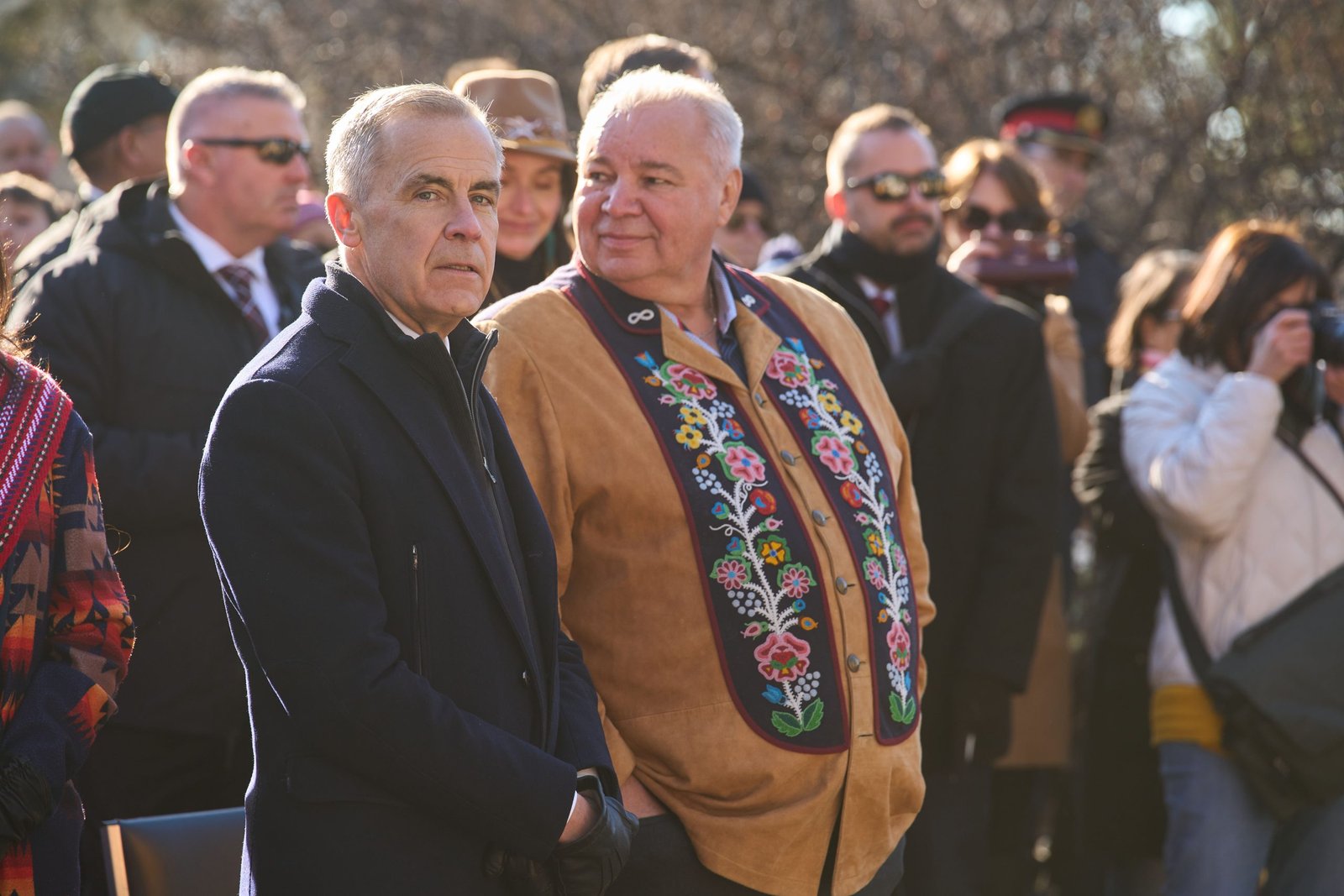
Assembly of First Nations National Chief Cindy Woodhouse Nepinak took aim at a first-of-its-kind treaty between the federal government and the Manitoba Métis Federation, which came up for debate in the House of Commons on Wednesday.
The president of the Manitoba Métis Federation is accusing the Assembly of First Nations of misleading people about legislation that would codify the federation’s right to self-government.
On Thursday, Assembly of First Nations National Chief Cindy Woodhouse Nepinak took aim at a first-of-its-kind treaty between the federal government and the Manitoba Métis Federation, which came up for debate in the House of Commons on Wednesday.
Woodhouse Nepinak said in a media statement the legislation threatens to create a hierarchy of rights, with First Nations at the bottom.
“This piece of legislation must not proceed until First Nations voices’ are heard and our rights are respected, protected and upheld,” Woodhouse Nepinak wrote, saying Bill C-21 was developed without consultations with First Nations, despite it having implications for First Nations lands in Manitoba “and beyond.”
“We will not stand for any erosion or attack on our recognized rights and jurisdiction. The federal government’s approach is only going to undermine certainty and create conflict and they must immediately withdraw this legislation.”
Manitoba Métis Federation President David Chartrand described that statement as fearmongering and told The Canadian Press there is no hierarchy of Indigenous rights.
“It’s not up to her to tell you if you can govern yourself with a treaty. That’s not her jurisdiction or authority,” Chartrand said.
“She’s walked away from the truth and started to mislead the people she’s supposed to represent.”
Alec Wilson, spokesperson for Crown-Indigenous Relations Minister Rebecca Alty, said Bill C-21 applies only to the Red River Métis and their internal affairs and does not detract from the rights of any other Indigenous community.
Wilson said the federal government consulted with potentially affected groups from August 2023 to October 2024 and in 2023 wrote to all First Nations in Manitoba to notify them of the draft agreement.
“All 63 First Nations were afforded the opportunity to meet directly with officials and/or provide written correspondence in which to identify concerns regarding the draft treaty,” Wilson said.
“The next debate on Bill C-21 is not scheduled at this time and will be determined at a later date.”
The federal government has come under fire before from First Nations for negotiating self-government agreements with other Métis groups. First Nations launched a massive campaign to defeat agreements with Métis in Alberta, Ontario and Saskatchewan in 2023 and 2024.
While the legislation codifying those agreements, Bill C-53, died when Parliament was prorogued last year, it lost support among some Métis groups included in the legislation well before then.
The Manitoba Métis Federation was also opposed to that legislation and worked alongside First Nations in Ontario to organize against it.
The treaty between the Manitoba Métis Federation and the federal government was announced in late 2024 with a signing ceremony in Winnipeg.
An agreement was signed in 2021 to recognize the Manitoba Métis Federation’s self-government and its members voted overwhelmingly in favour of the treaty in 2023 during a governance assembly.
Métis leader Louis Riel negotiated a treaty with Canada some 150 years ago which led to Manitoba joining Confederation — a development that was supposed to reserve 1.4 million acres of land for Métis residents in the province.
Ottawa, however, saw Riel as a traitor and did not follow through on the promises in that agreement. Riel was executed for high treason in 1885 for resisting Canada’s encroachment on Métis lands.
He was formally recognized as Manitoba’s first honorary premier in 2023.
Chartrand said Woodhouse Nepinak needs to revisit that history.
“This is years in the making, years of discussions, years of consultation, years of public announcements,” Chartrand said.
“If anybody would do a little bit of homework on this and actually read the treaty, you can see it does not impinge anybody else’s rights. It does not claim to have greater rights than the other. It’s all about our internal self-government — our right to govern ourselves.”
This report by The Canadian Press was first published April 24, 2026.