dailynewsnblog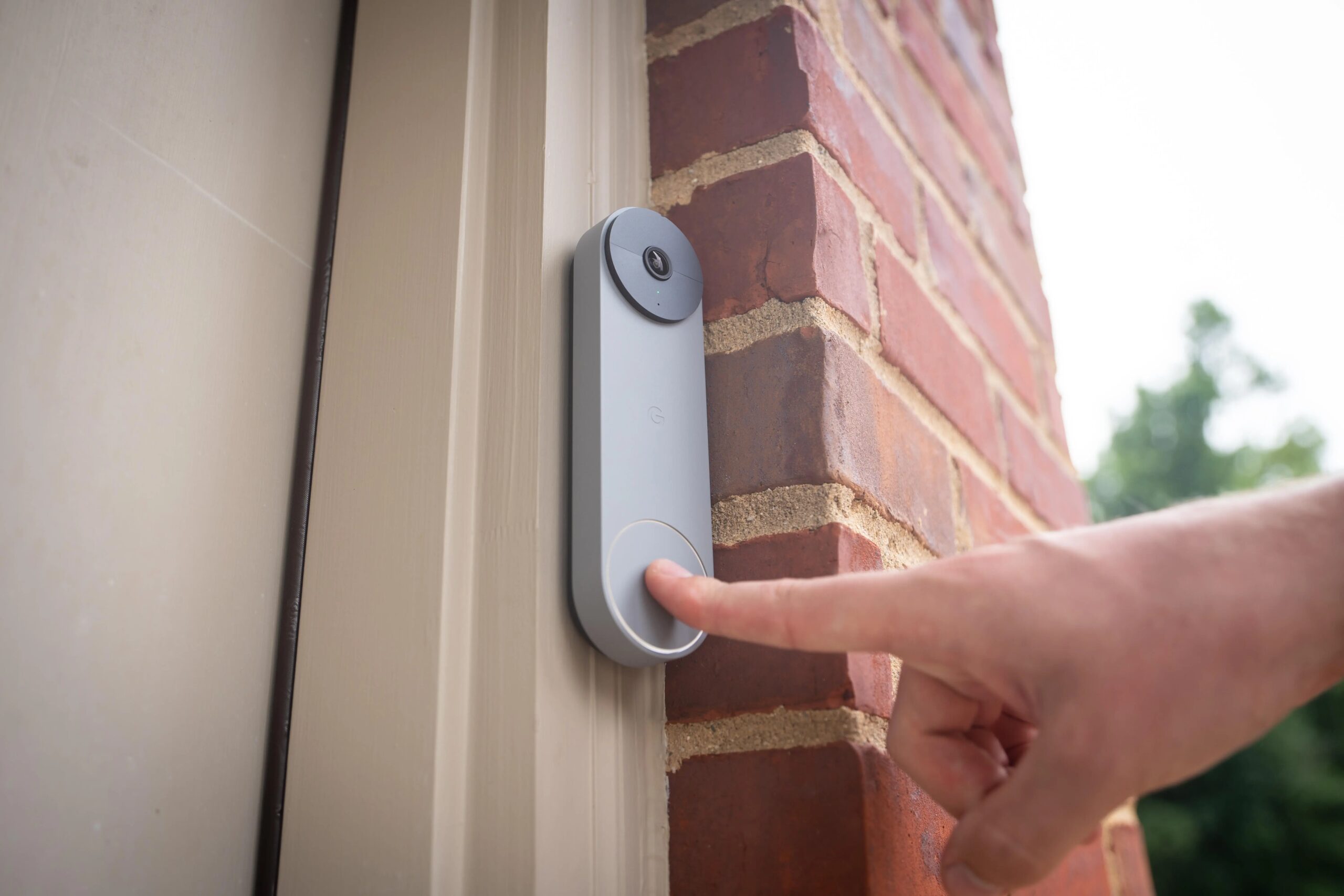
I frequently recommend video doorbells as an excellent starting point for home security, so I also keep an eye on potential problems. Earlier this year, I covered a lawsuit over Ring’s smart doorbell privacy practices. Now, two additional lawsuits seeking class-action status have been filed against Google Nest.
Together, the lawsuits encompass a large portion of the video doorbells used in the US. But they focus on a specific, newer feature not all video doorbells offer: AI face recognition technology. The suits raise questions about whether these doorbells are snapping photos of strangers walking by — and what companies are doing with that biometric data.
Read more: Ring Spotlight Cam 2026 Review
Here are the details and, if you’re worried, why you don’t need to ditch your video doorbell in response.
What are these lawsuits claiming video doorbells do?

The three lawsuits — Sigwalt v. Amazon (PDF), Fennessy v. Google (PDF) and Trevino v. Google (PDF) — all make the claim that these security companies are using AI face recognition technology in ways that violate privacy rights. Slightly older lawsuits, including Ortega v. Amazon, are also ongoing.
Specifically, this “familiar-face” tech can grab and analyze face photos from people who haven’t consented, including delivery workers, neighbors walking their dogs, strangers on the street and anyone else the doorbell camera may take a photo of.
Security cameras have been automatically taking and storing videos of people for many years, but the lawsuits argue these familiar-face technologies create biometric “faceprints” that are collected without people’s consent and could be used to identify them against their will.
I’ll discuss this more below, but both Ring and Google have previously acknowledged that their video doorbell facial recognition technology can violate certain laws — or at least become so legally complicated that it isn’t worth using. That’s why some familiar-face features are disabled in places including Illinois, Texas and Portland, Oregon.
The lawsuits go a step further, arguing that Google Nest and Amazon Ring must know their technology can violate certain laws and therefore may be violating similar laws elsewhere. The plaintiffs still have to prove those claims in court. The lawsuits rely on broad privacy laws from states where Ring and Nest doorbells still offer familiar-face recognition, such as Virginia’s Computer Crimes Act and Consumer Protection Act, as well as California’s various privacy laws.
Can video doorbells really gather face recognition from strangers?

Blink’s app remains easy to use, but this doorbell has a lot of settings, too.
Screenshot by Tyler Lacoma/CNET
Yes, but it also depends on the camera’s resolution, where it’s pointing and what triggers it to record. I’ve found the doorbells tend to capture any faces walking up to my porch — Ring says its version works from around 9 to 13 feet away — but are much less likely to capture people on the sidewalk 20 yards away. But that’s specific to my setup; doorbells closer to the street or angled towards approaching pedestrians may capture much more.
Doorbells, including those from Ring and Nest, also use motion zones, which allow you to focus the camera’s motion detection to just one space, essentially blocking it from getting triggered by nearby people walking around. However, the settings are optional and not everyone uses them.
What do Ring and Google do with the face data they collect?

We’re not entirely sure. Ring says it holds photos of faces for 30 days so users can potentially identify them, then deletes them, but there aren’t many other details. Google asks users if they want to identify an unfamiliar face, but it’s not clear what happens to that face data afterward. Recorded videos containing unfamiliar faces can remain in Google’s cloud for up to 60 days with the right Google Home Premium plan. I’ve reached out to Nest for more information.
Whether or not the companies use captured faces for AI training or data analysis may not matter for the lawsuits. That’s because the crux of the claim is that face data was captured and used without consent — not how long it’s held.
Do other companies use AI facial recognition on their video doorbells?
Yes, many do. From SwitchBot’s facial recognition smart lock to Arlo’s AI Person Recognition, a number of security companies I’ve reviewed have developed similar technology. But Amazon Ring and Google Nest are both based in the US and have large market shares, which makes them easy targets.
Do these face data practices really violate privacy laws? Will the lawsuits succeed?

Even a single device, such as a video doorbell, can add some high-tech curb appeal to a house that’s for sale.
Tyler Lacoma/CNET
It’s difficult to say, but these starter lawsuits aren’t as straightforward as they may appear. The laws they cite, especially Virginia’s, weren’t really written with biometric data, especially face scans, in mind. They weren’t aimed at video doorbells or home security cameras, so those devices aren’t mentioned in the laws directly.
Certain provisions of the cited laws also require proof that the facial recognition data was used for a specific commercial advantage, which may be difficult to establish here.
Plus, privacy laws can be very lax when it comes to streets, sidewalks and anyone walking past a home. That’s typically considered an area with little to no expectation of privacy, which is why it’s okay to record people in those scenarios using security cameras.
So, as defendants, Ring and Nest may have the relatively easy job of arguing that the laws don’t apply to their technology, that the limited expectation of privacy in public protects them and that they aren’t using face data for commercial gain anyway.
Additionally, Nest and Ring have some user warnings about how their technology is used, in part to help defend against lawsuits like these. Ring directly says, “Some laws also require you to get explicit consent from people visiting your location before turning on this feature. Please make sure to check these laws before turning on the feature,” as a way of putting the responsibility on its users.
However, note there’s precedent for successful biometric lawsuits under other laws. In 2025, Google paid the state of Texas $1.4 billion over lawsuits concerning the collection of biometric data, including face scans. That’s why Ring preemptively disabled its own face recognition feature in the state. (The Texas law doesn’t allow individual citizens to sue over it, which is one reason it’s not used in these lawsuits.)
Are the face recognition services always on? Can I turn them off?
These familiar-face options require the right subscription. During setup, when a trial subscription is activated, Ring and Nest may ask you if you want to enable familiar-face technology (Ring didn’t mention it at all in the last device I tested), but in my experience, you don’t have to opt in.
Even if you have opted into the feature without realizing it, both companies give you options to turn it off — if you know where to go in the settings.
Are video doorbell users at risk of being targeted by these lawsuits?

Nest’s responses are accessed by tapping on alerts for immediate action.
Tyler Lacoma/CNET
No, using your video doorbell won’t land you in trouble. Users didn’t create or support this feature, and aren’t the target of class-action lawsuits. However, if these lawsuits are successful, access to familiar-face technology may become more limited for those in the US.
Can I join these class-action lawsuits?
Not yet. Since these suits are so new, they aren’t quite at the official class-action stage, where they’re opened for others to join. A court will decide that step in time. It’s particularly tricky here, because it’s very hard to determine who has actually been affected by these face scans: You can’t simply send an email to everyone who bought a doorbell, because they aren’t the ones suing. If the lawsuits manage to progress, I’ll keep you updated on how to join them.

See full bio