dailynewsnblog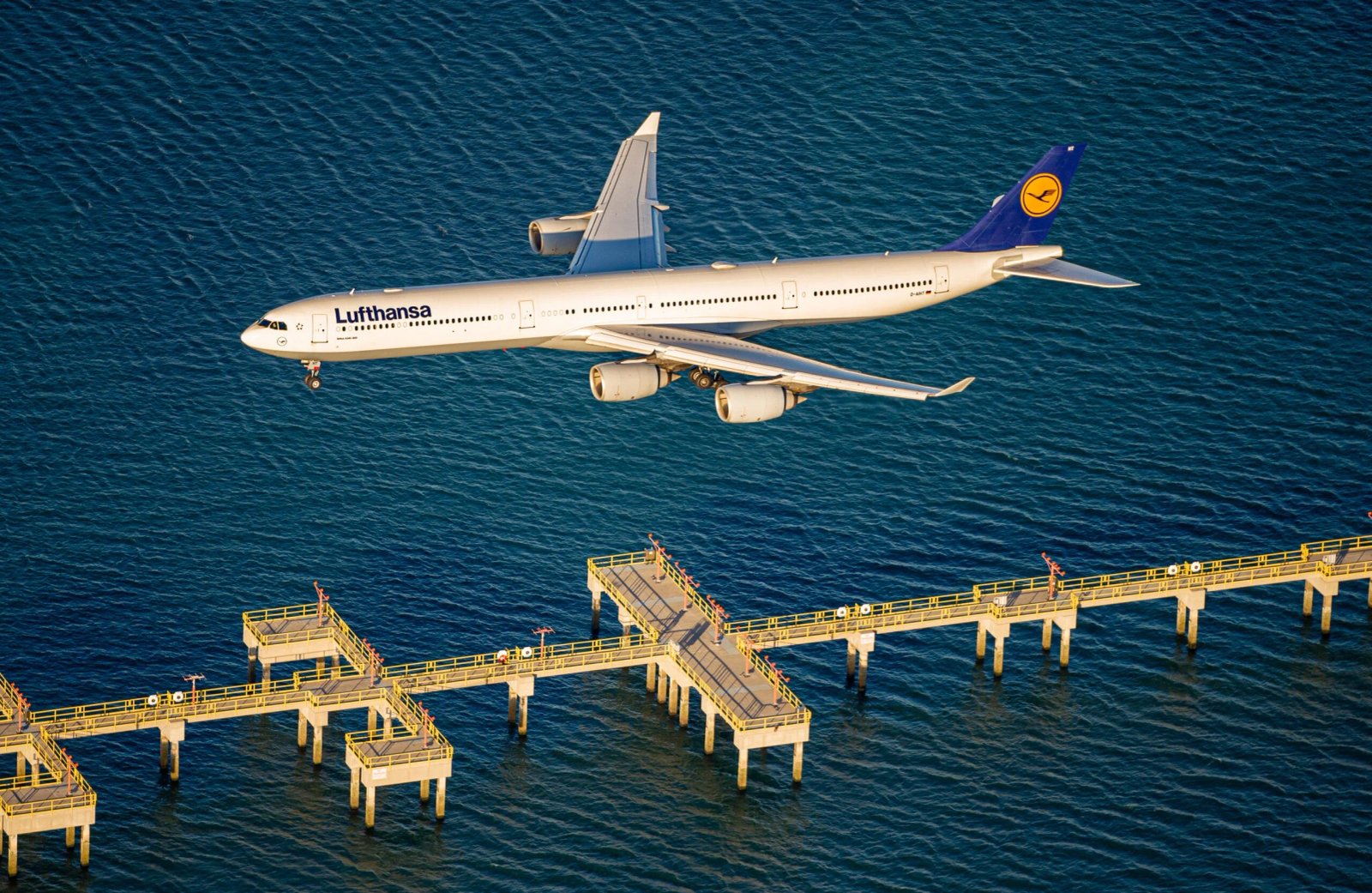
Lufthansa is shrinking its fleet to counter rapidly rising fuel prices.
Gone are the airline’s 27 Mitsubishi CRJ900 regional jets operated by its Lufthansa CityLine regional affiliate. Lufthansa’s four remaining Airbus A340-600s, with their unique downstairs toilets, are next: Their retirement is set for the end of the summer season. And, at the same time, the carrier will say goodbye to two of its last Boeing 747-400s.
Lufthansa plans to retire its six remaining 747-400s in 2027.
The closure of CityLine amounts to a roughly 1 percentage point reduction, or 120 flights a day, in Lufthansa Group capacity, the airline said Tuesday. The cancellations total 20,000 short-haul flights through October.
The moves are among the most drastic yet by a global airline to counter the rapid rise in fuel prices since the beginning of the Iran war Feb. 28. Other carriers — including Delta Air Lines, KLM, Qantas Airways and United Airlines — have cut flights, but none have (yet) unveiled plans to retire planes or make other permanent moves.
The average price of jet fuel was $4.38 per gallon globally on April 22, data from Platts Jet Fuel Assessment shows. That represents a nearly 82% increase from prices on Feb. 27.
The average price of jet fuel in Europe was even higher — clocking in at $4.57 per gallon — on April 22, the data shows.
Other airlines could follow Lufthansa’s lead if Europe runs out of jet fuel in “maybe six weeks or so,” as International Energy Administration executive director Fatih Birol warned last week.
Lufthansa, responding to concerns about the European supply of jet fuel, said it “expects a largely stable fuel supply” through the summer.

Reward your inbox with the TPG Daily newsletter
Join over 700,000 readers for breaking news, in-depth guides and exclusive deals from TPG’s experts
Auf wiedersehen, Lufthansa CRJs
Lufthansa is streamlining connections over its six group hubs following the grounding of the CRJ900s. Flight reductions will occur at Frankfurt Airport (FRA) and Munich Airport (MUC) — bases for Lufthansa and Lufthansa CityLine. It’ll add more flights on existing routes operated by Brussels Airlines to Brussels Airport (BRU), Austrian Airlines to Vienna Airport (VIE), and Swiss to Zurich Airport (ZRH).
The airline is “temporarily” suspending service to three airports: Bydgoszcz Ignacy Jan Paderewski Airport (BZG) and Rzeszow-Jasionka Airport (RZE), both in Poland, as well as Stavanger Airport (SVG) in Norway.
Another 10 cities will lose nonstops to FRA and MUC in favor of flights to BRU, VIE and ZRH. The 10 affected cities are:
- Cork Airport (ORK) in Ireland
- Gdansk Lech Wałesa Airport (GDN) in Poland
- Heringsdorf Airport (HDF) in Germany
- Ljubljana Jože Pučnik Airport (LJU) in Slovenia
- Rijeka Airport (RJK) in Croatia
- Sibiu International Airport (SBZ) in Romania
- Stuttgart Airport (STR) in Germany (though the city is still served from Frankfurt via Lufthansa Rail Express connections with Deutsche Bahn)
- Tivat Airport (TIV) in Montenegro
- Trondheim Airport (TRD) in Norway
- Nicolaus Copernicus Wrocław Airport (WRO) in Poland
While Lufthansa forecasts a stable fuel supply, high prices drove the schedule cuts.
“The package for accelerated implementation of fleet and capacity measures is unavoidable in light of the sharply increased kerosene costs and geopolitical instability,” Till Streichert, chief financial officer of the Lufthansa Group, said in a statement.
The airline said fuel expenses have “more than doubled” since the beginning of the Iran war, despite price hedges that cover 80% of its fuel needs.
In addition to Austrian, Brussels, Lufthansa and Swiss, the Lufthansa Group includes Air Dolomiti, Discover, Eurowings, Lufthansa City and a minority stake in Italy’s ITA Airways.
Lufthansa parks older jumbo jets
The retirement of Lufthansa’s older four-engine planes is of little surprise. The group had planned to retire most of the planes during the COVID-19 pandemic, but delivery delays of new Airbus A350s and Boeing 777s and 787s forced it to continue flying A340s and older 747s as it awaited replacement capacity.
Today, Lufthansa flies 31 A350-900s and 19 787-9s but continues to fly the A340 and 747 in response to strong demand for long-haul air travel.
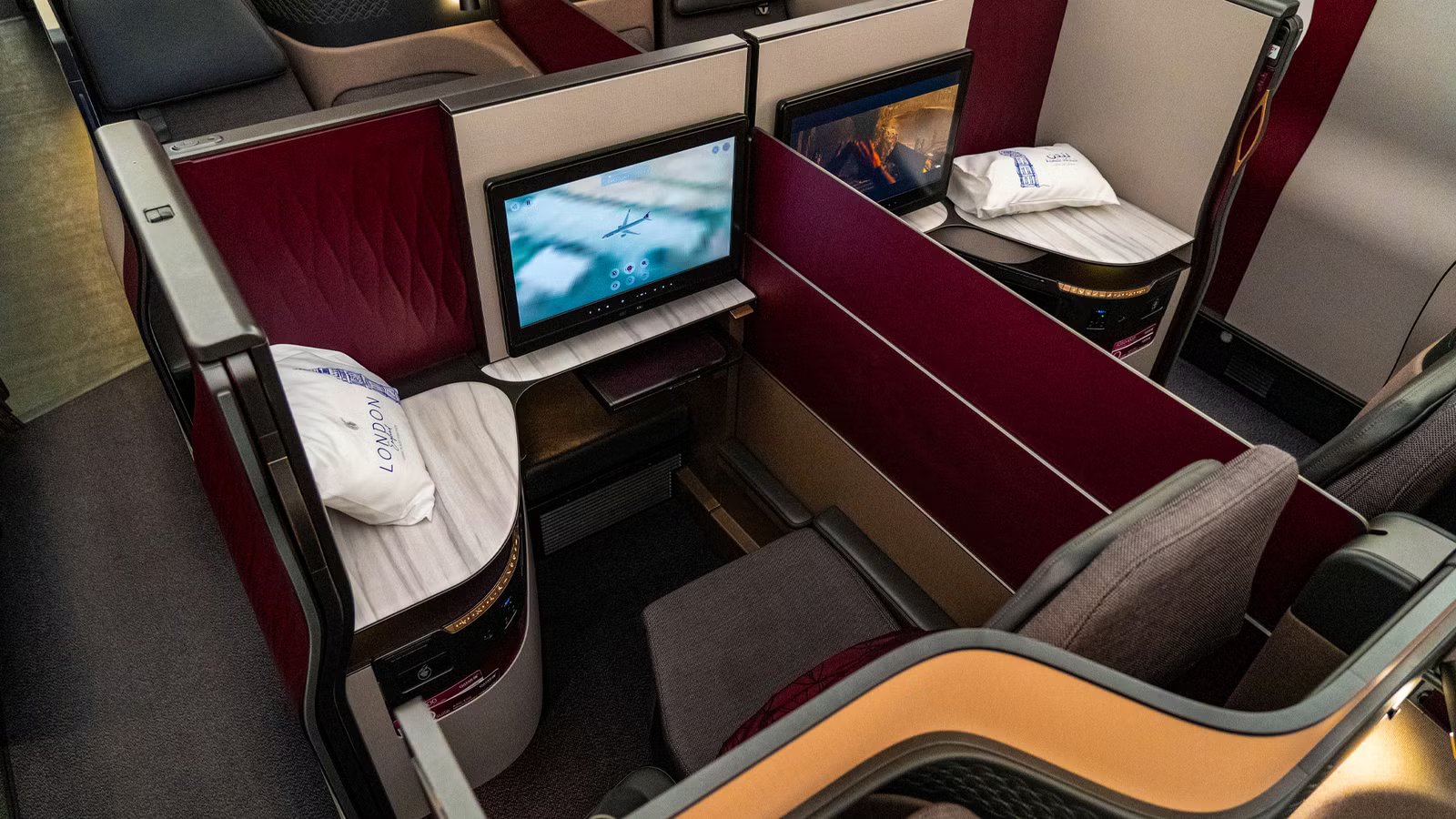
One silver lining to Lufthansa’s wide-body plane retirements: A greater percentage of its intercontinental fleet will feature its new Allegris premium cabins. The product includes new first and business suites, as well as premium economy and economy seats; it’s available onboard most of Lufthansa’s A350s and 787s.
Lufthansa is also installing a new business-class product on its Airbus A380s.
Related reading: