dailynewsnblog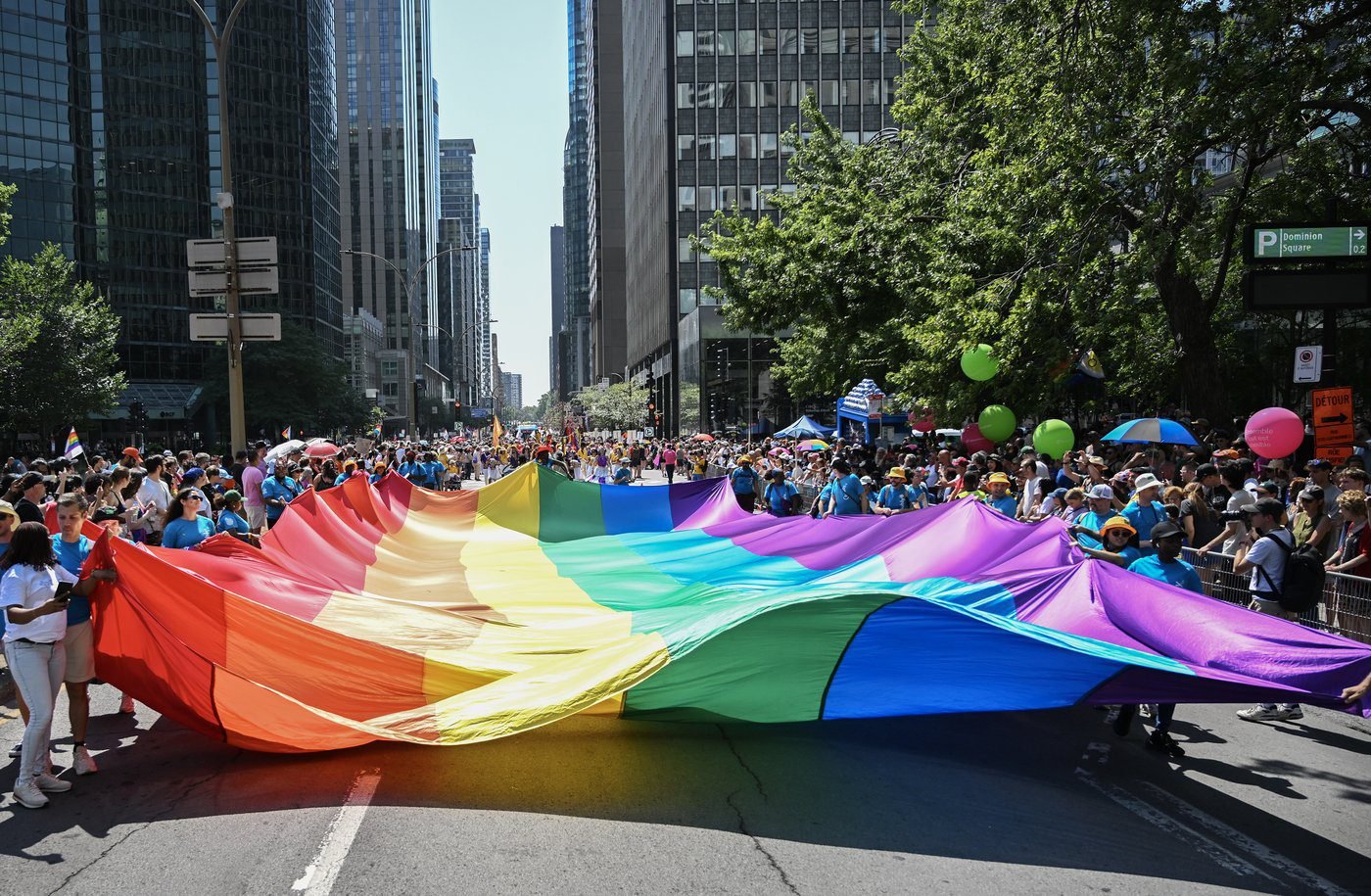
MONTRÉAL — As pride month celebrations take place across Quebec, political candidates from sexual and gender-diverse backgrounds who are running in the fall provincial election are sounding the alarm over a flood of hateful messages targeting them.
Québec solidaire says it’s currently facing a wave of online hate of “exceptional” and “alarming” proportions targeting its LGBTQ+ candidates.
“We’re concerned, and I think all candidates and party leaders will need to be careful with their rhetoric,” said party president Roxane Milot, who is running in a Montreal riding.
Milot, who identifies as bisexual, believes online violence targeting marginalized candidates prevents some people from diverse backgrounds from entering politics.
“There’s a direct link. We’ve seen that for many people from diverse backgrounds — whether they’re queer, women, or racialized — it’s been harder to convince them to run,” she said. “We work closely with (LGBTQ+) organizations, and they tell us the situation is getting worse by the day in Quebec. It’s very alarming.”
Milot says she was recently the target of hateful messages and “trolls” on social media.
Her party made headlines of its own recently when one of its candidates, Vanessa Durand, withdrew after making hateful remarks online against Parti Québécois supporters from LGBTQ+ communities. The post was subsequently deleted, and Durand apologized and withdrew her candidacy.
Durand did not respond to requests for comment from The Canadian Press.
Philippe Schnobb, who entered politics in January as a Parti Québécois candidate, says he regularly receives homophobic hate messages, some of which have recently taken the form of threats.
“Ever since I became involved in politics, I’ve often received homophobic remarks,” said Schnobb, who is running in the same Montreal riding as Milot and who and identifies as part of the sexual and gender diverse community. “When I was president of (Montreal’s public transit agency), a journalist, or just an ordinary citizen, I didn’t receive this kind of comment. It’s not pleasant, especially when it turns into threats.”
A comment on one of Schnobb’s social media posts features homophobic language, adding that a “2×4 is waiting for you.”
The candidate says he regularly receives “intolerable remarks that are nothing more and nothing less than threats,” from the commenter, but does not intend to take legal action for the moment.
“It’s still July, so let’s tone it down, because we still have several weeks to go before the election, especially on issues that are very personal and very sensitive,” Schnobb said.
Liberal Leader Charles Milliard, who is gay, was asked in February whether Quebecers were ready to elect a gay premier and answered, “we’ll see.”
“Every Quebecer has the right to vote,” he said. “Politics is about doing public things, and I have no intention of hiding who I am from Quebecers.”
A few months later, on the International Day Against Homophobia and Transphobia, he denounced the homophobic remarks directed at him.
Philip Laflamme, senior adviser for content and communications at the Liberal party, said homophobic and transphobic comments are an issue faced by all the major political parties.
“Even candidates who aren’t necessarily part of the sexual and gender diversity community can receive homophobic and transphobic insults, sometimes just because they’re members of the party and the leader is gay,” he said.
The communications director for premier and Coalition Avenir Québec Leader Christine Fréchette says candidates’ social media accounts are being closely monitored, and the party “of course deplores this kind of attack.”
Reached by phone, the team of Quebec Conservative Party Leader Éric Duhaime — who is also openly gay — confirmed that he has received hateful comments online but doesn’t want to give them any extra attention.
Some parties say they’ve had to adapt over the past few years in the face of growing online violence against candidates.
Milot says support groups and a remote assistance service have been set up within Quebec solidaire in recent years to support candidates who express a need for it.
A similar structure has reportedly been established within the Liberals to provide the necessary support to candidates. Training sessions are also offered to help them learn how to handle violent situations.
This report by The Canadian Press was first published Aug. 8, 2026.
Quentin Dufranne, The Canadian Press