dailynewsnblog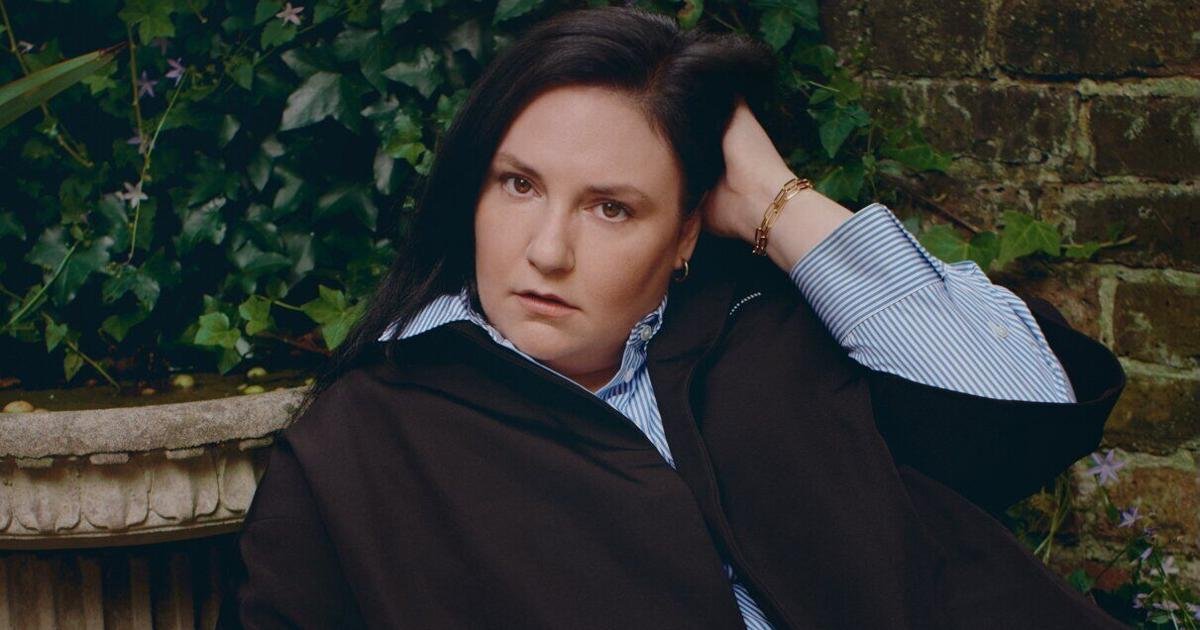
As a child, Lena Dunham took two formative family vacations north of the border. “My parents were really into Canada as a concept,” said Dunham, the child of two artists who raised her in a Tribeca loft before that required oligarch-level wealth. One trip included a stop in Montreal that introduced her to suburban mall staple, Le Château. “I was obsessed,” she said. Indeed, she wore a dress by the Quebec brand to her prom.
And like many women her age, 39-year-old Dunham’s love of “Anne of Green Gables” is foundational. (She calls Canadian literary legend L.M. Montgomery’s diaries “shockingly erotic.”) A great betrayal of her youth was when her parents went to Prince Edward Island without her when she was nine. “I was like, ‘Are you joking?’ But they did bring me back a paper approximation of Anne of Green Gables’ house,” said Dunham. “My mind was blown.”
This summer, she and her brother are planning a Canadian road trip, which she hopes will culminate in her long-held dream of visiting P.E.I. herself.
Right now, though, Dunham — pyjama-clad in bed in New York City on our video call — is basking in the success of her memoir, “Famesick.” It became an instant bestseller when it was released earlier this month; people are still posting on social media about visiting multiple bookstores to find a copy in stock.
“Someone did send me a picture of a sign at the cool-kid bookstore in Brooklyn that I always used to go to after work on ‘Girls’ that said, ‘We have Famesick,’” said Dunham. “I was like, ‘This is really one of the most satisfying parts of my creative life.’”
Dunham has been around long enough to know that this kind of reception is never guaranteed, even though she was an eight-time Emmy nominee before her 29th birthday for “Girls,” the generation-defining series about Millennial young womanhood that she wrote and starred in.
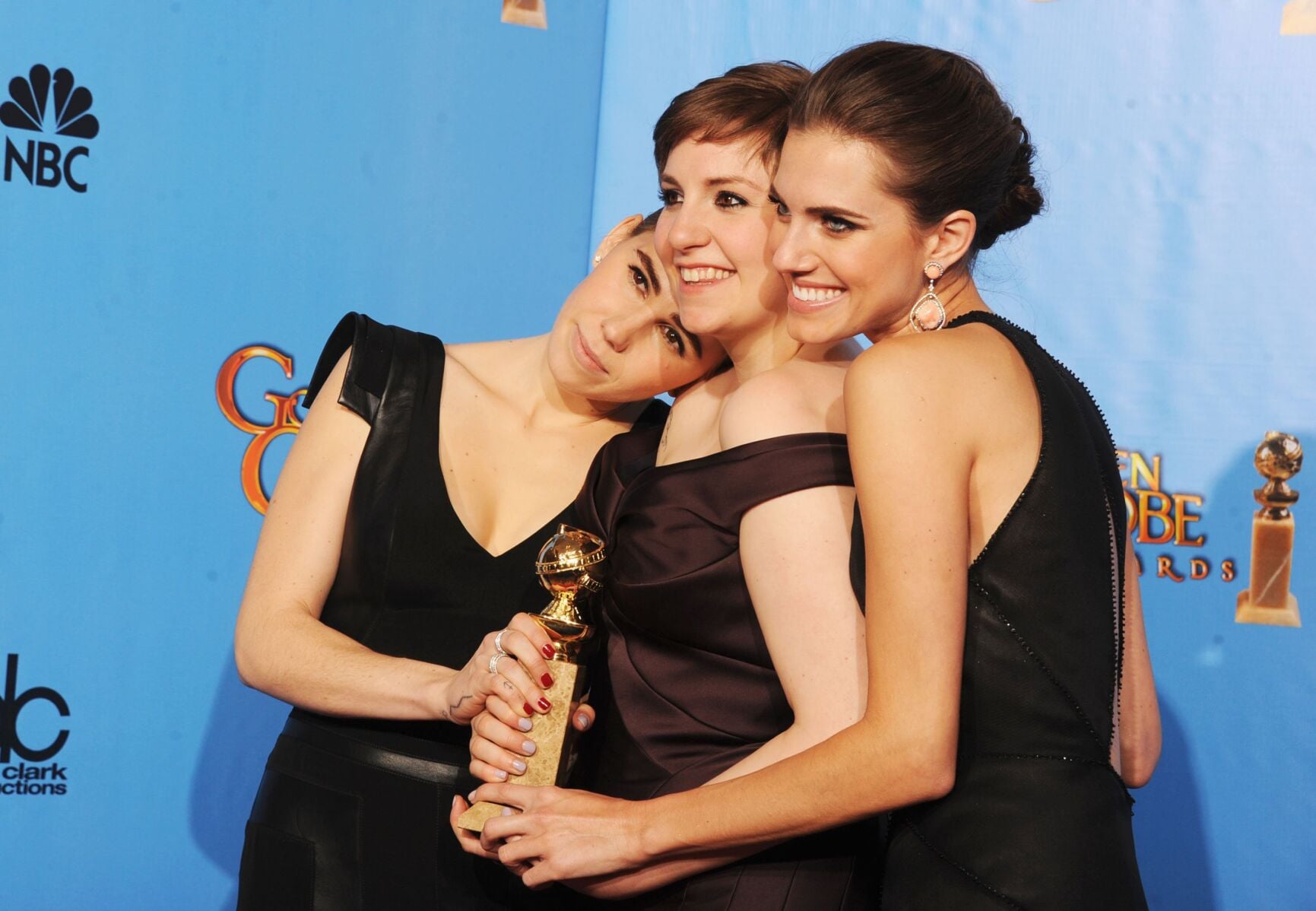
Actresses Zosia Mamet, Lena Dunham and Allison Williams of “Girls” at the 2013 Golden Globe Awards.
Kevin Winter Getty Images
“I know that not everything you make is received with that kind of care. There are certain things that people really dislike, that they’re totally ambivalent about,” she said. “Experiencing something like this at 40 versus at 23 gives you the skills to process it, but also the gratitude to recognize this is a really specific moment where something has really connected for people.”
Dunham once self-tortured by reading cruel Tweets about herself, but these days the only social media she pays attention to is Substack, where she’s been tagged in posts about the book. She finds it “thrilling” that the women resonating with the book aren’t just Millennials, but “women in their 50s, 60s, 70s,” as well as Gen Zs. One special reader is her Aunt Bonnie, who features in the book and “live tweeted via text” her response to Dunham in real time. “It’s complicated to write about people in your life,” she said. “I write about her son dying, her mother dying, and the fact that it made her feel seen and good was a moment of real joy for me.”
A memoir that makes headlines
The memoir is vulnerable and unflinching, and has generated its share of gossip-y headlines. We learn about the slow, sad dissolution of her five-year relationship with pop producer Jack Antonoff; Dunham details both her own infidelity toward the end and his “closeness” to a “teen pop star” (speculated to be Lorde).
She also writes about her complicated relationship with “Girls” co-star Adam Driver, who she said once threw a chair at the wall during a rehearsal, could be “verbally aggressive” and punched a hole in his trailer because he didn’t like his haircut. The pair shared periods of confusing intimacy, but haven’t spoken since the show ended.
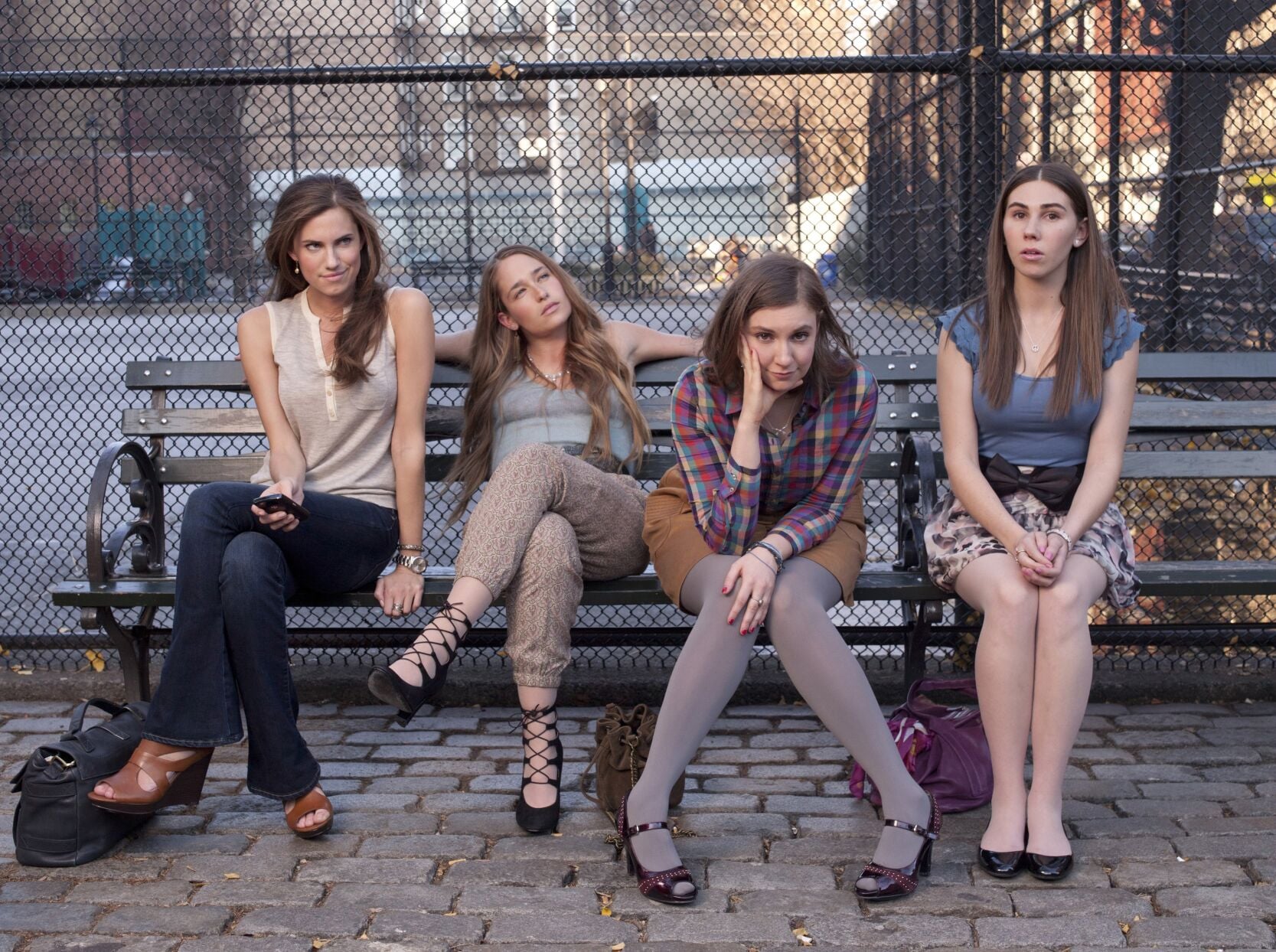
Allison Williams, Jemima Kirke, Lena Dunham and Zosia Mamet in the HBO series Girls.
Mark Seliger/HBO
An arguably more painful breakdown was with Dunham’s best friend, Jenni Konner, her co-showrunner and writer on “Girls.” Together, they founded the newsletter Lenny Letter and a production company, but their relationship dissolved around the time Dunham entered rehab for an addiction to the Klonopin she was prescribed for her often-debilitating anxiety.
Dunham said she’s heard from people who are “tangentially mentioned” in the book, but not from the big players above. “I wouldn’t have written about certain characters did I not feel that we had come to some kind of agreement about what we represent in each other’s lives,” she said.
She is clear that while this is a work of non-fiction, the opinions are entirely her own. “Anyone who’s being written about tends to feel that they’re being drawn thinly or incorrectly,” she said, mentioning her own depiction in her brother Cyrus’ memoir. “There were moments that it stung, but I also thought, ‘Lena, you have to live by the sword, die by the sword.’”
But this book is about so much more than the bold-face names. It’s about the way that fame and success complicate every relationship in your life, from your parents to your friends to your creative partners who rely on you to pay their mortgages. It’s about love, both as a destructive force and the nourishing kind Dunham has found with her husband, musician Luis Felber.
In sickness and in health
More than anything, it’s about being literally sick. Dunham lives with debilitating endometriosis, even though she underwent a hysterectomy at 31. After multiple surgeries, hospitalizations and periods where she’s struggled to get out of bed, she discovered that she also has Ehlers-Danlos Syndrome, a connective tissue disorder whose symptoms can include fatigue, headaches and chronic pain. This is the part of the book that she feels the most protective of.
“The stuff that you hope will not be torn apart is extreme medical trauma or experiences of being out of control of your body,” she said. “Things like that do have an effect on you when there’s chronic illness involved.”
Some of the book’s most harrowing passages recount Dunham’s experiences of working while physically or mentally unwell, sometimes days after a hospital admission. “The thing that’s really complicated about Hollywood and making movies is that it’s really expensive. The cost of somebody going down is enormous,” she said. “It creates a situation where people have to choose between being loving and caring and potentially messing up and losing their job. That puts everyone in a terrible position.”
It’s an industry-wide problem, one she doesn’t have the solution to. “Someone would have had to step in and say, ‘Lena, you’re green in the face and have stitches in your stomach. You have to go home.’ I was not going to be the one to say it,” she said. “That often meant pushing myself to collapse and then starting the cycle again.”
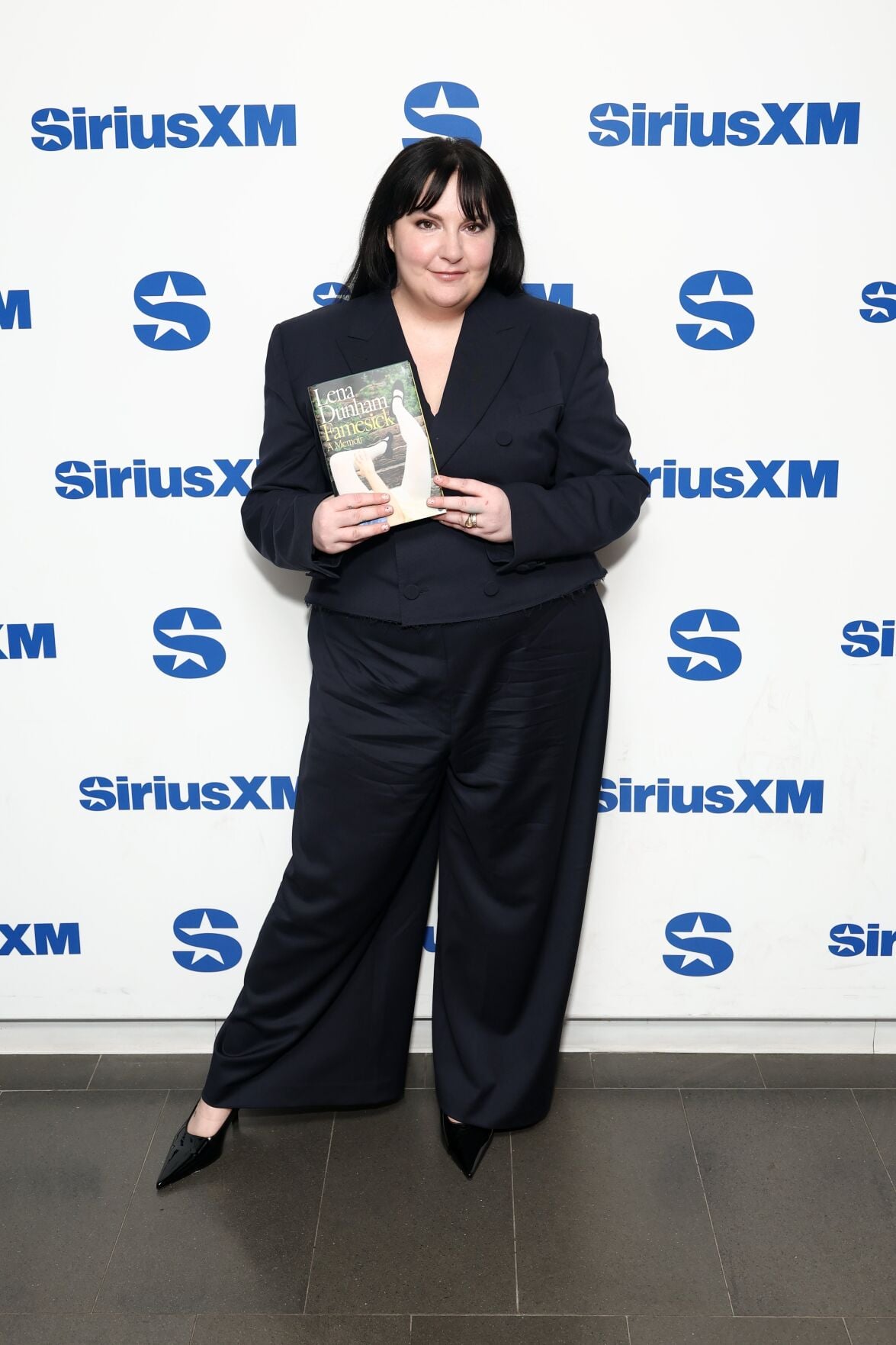
Lena Dunham attends SiriusXM’s Front Row With Lena Dunham Hosted By Andy Cohen on April 15, 2026.
Cindy Ord Getty Images for SiriusXM
While she still lives with chronic illness, Dunham has come a long way over the years. She’s able to speak up for herself and advocate for work environments that accommodate where her body is at now.
The resurgence of “Girls”
Enough time has also passed for “Girls” to have a second life among a new generation. “It must look like a period piece! The whole thing is absurd,” Dunham said. “What I love is that when Gen Z people watch it, they come to it with less judgment toward the characters. They’ll say, ‘I’m a Marnie’ with no shame. Being a Marnie before was considered a real embarrassment to your family.” (She’s referring to the uptight, insecure and judgy character played by Alison Williams.) “There’s more self-actualization and self-definition from these kids who grew up online.”
Post-“Girls,” Dunham has worked with several stars of this next generation, like Bella Ramsey, whom she directed in “Catherine Called Birdy,” and Megan Stalter in the Netflix series “Too Much.”
“The thing that always amazes me is that even when I go in with a big sister attitude, they’re all so smart that they don’t need it,” said Dunham. “If something came up for them I would be there, but at the same time I don’t want to impose on them some narrative about what a career feels like.”
And while Dunham feels strongly that being famous should never be a goal or a value, she’s not “anti-fame.” “I’m just as interested in celebrity as everybody else. I’m reading all the same news as y’all are,” she said. “I just wanted to break apart a little bit what that looks like.”
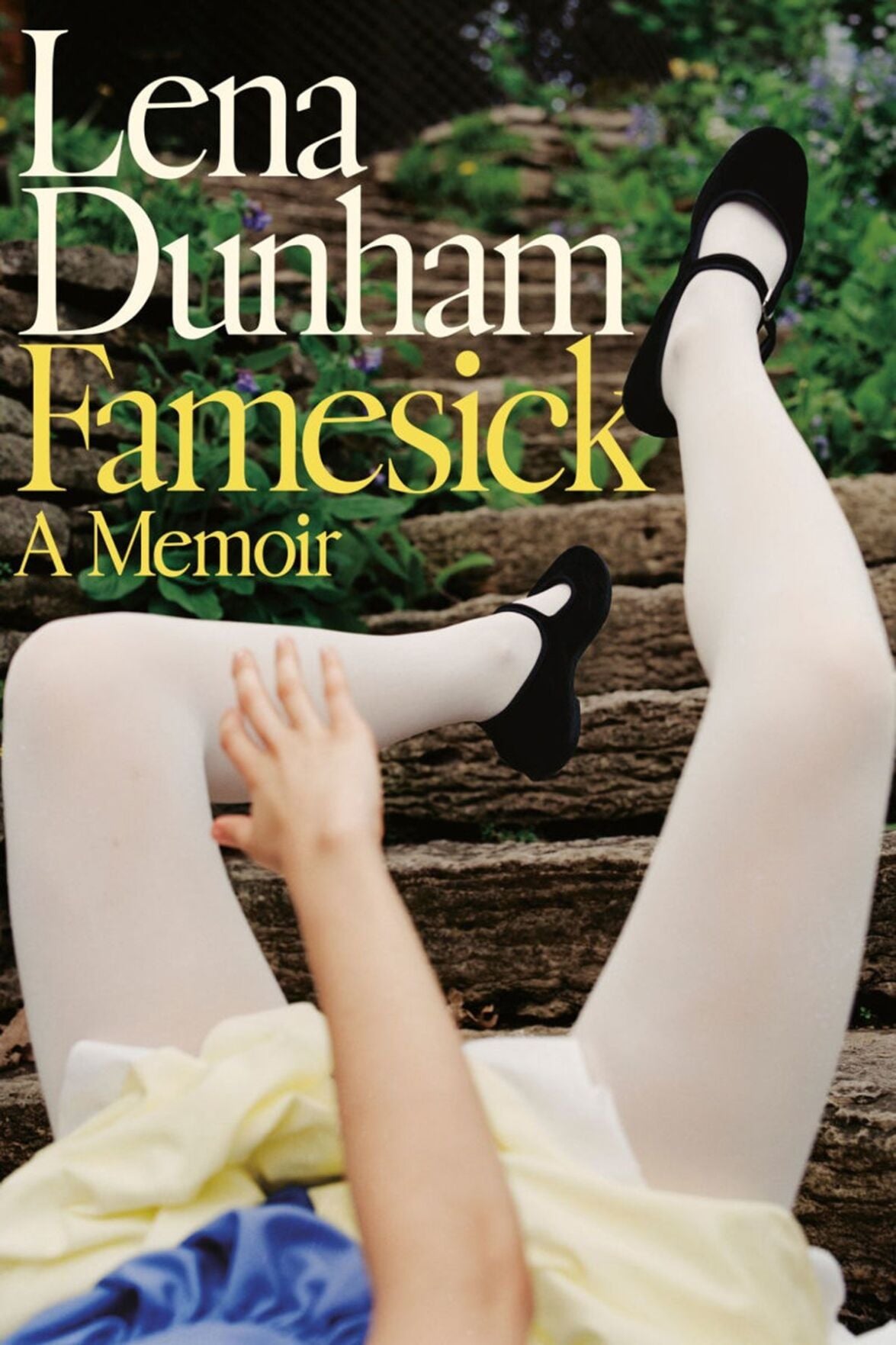
“Famesick,” by Lena Dunham. (Random House Publishing Group/TNS)
Random House Publishing Group TNS
Offline, Dunham’s current preoccupations include her pet pigs — including two “big baddies” that will be 400 lbs when fully grown — and the barns she’s planning to build at her home in Connecticut so she can rescue more.
She’s also a big vintage collector: her current Saved Searches on the Real Real and eBay include “vintage Blumarine Anna Molinari clothing” and “Tarina Tarantino” earrings. “This is very L.A. She used to make these really sparkly, bedazzled baby-girl earrings that Paris Hilton used to wear in the early 2000s,” Dunham said. A search for “vintage John Galliano twinset” led her to a seller who knew her mother in the ’80s.
It’s a hobby, but it bleeds into her art. In the forthcoming Netflix film “Good Sex,” which Dunham wrote, directed and produced, Natalie Portman plays a couples’ therapist getting back into dating in mid-life; she wears a big green ring that Dunham sports on our call and reads books by Taffy Brodesser-Ackner and Emma Straub that Dunham also adores. “I love placing little Easter eggs of my own interest to make the world feel lived in.”
The Taylor Swift effect
Speaking of famous Easter Eggs: Dunham has long been friends with Taylor Swift, whom she thanks in the book acknowledgments for picking up “every desperate call at every desperate hour.” That, plus the details of Dunham’s relationship with Swift’s close collaborator Antonoff, has certain quarters of the internet convinced that she has inspired Swift lyrics. “I would never dare to expose any of her process, or dare to think that I was a muse,” Dunham responds skillfully. “She’s certainly written songs that feel like they’re about all of us. We’ve all had Taylor Swift write a song about our life. It’s so strange how she’s managed to write a song about every single person on the planet.”
Next on Dunham’s to-do list? A novel.
“I have an idea, and the only thing I’ll say is: It’s romance for those of us who don’t necessarily like romance,” she said. “It’s romance with a bit of a bite. It’s for the girls, the gays and the theys that have an attitude. With lots of sex!”
To be clear, “it’s not sex with dragons,” a nod to the romantasy juggernaut led by Rebecca Yarros, whose “Fourth Wing” series is on Dunham’s TBR list.
“I want to read those because she has Ehlers-Danlos Syndrome, and her lead character, the girl who rides the dragons, has Ehlers-Danlos,” Dunham said. “So I’m going to use the summer to give myself a romantasy education.”
Coming soon to the Lake Of Shining Waters: Lena Dunham, mid-roadtrip, nose deep in “Iron Flame.”