dailynewsnblog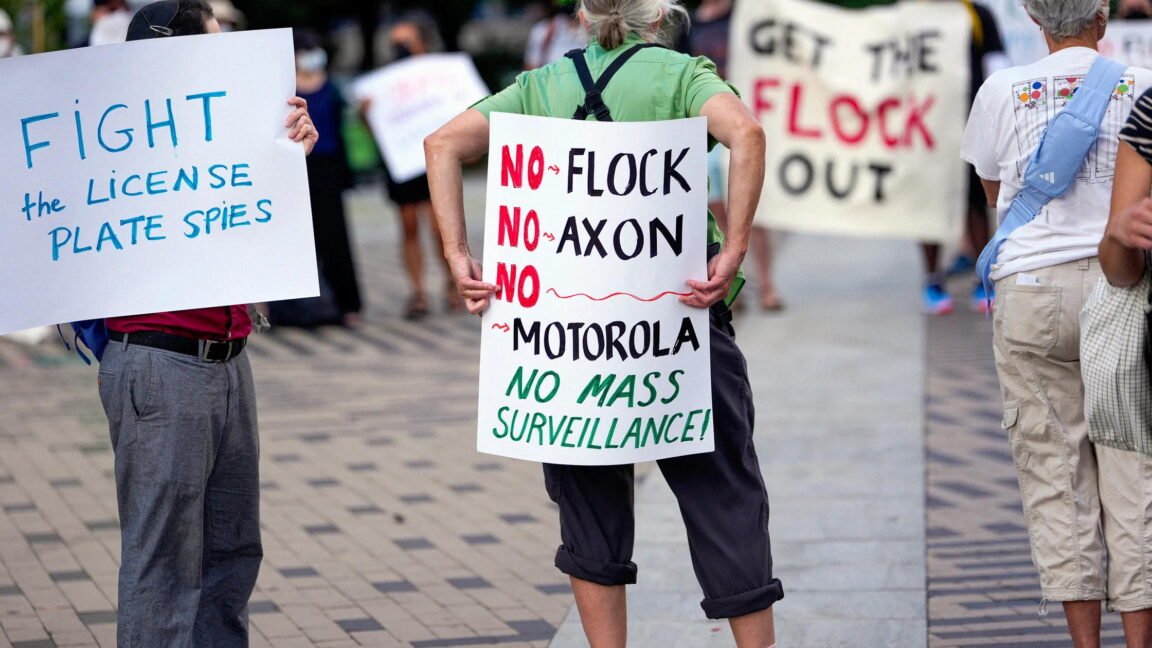
The Department of Transportation calculates the amount of so-called surface transportation funds it gives to states based on factors such as how many roadways they have and how busy they are. Congress has repeatedly threatened taking away the funding to pressure states into taking action on public safety. The tactic helped establish a national minimum drinking age, standard rules for what constitutes driving under the influence, and regulations for billboards alongside highways.
Another bipartisan bill introduced in Congress recently called for banning the use of federal funding to purchase Flock cameras. Flock’s lobbying spending in Washington, DC, has been steady over the past 18 months, and it recently hired a fifth firm to help with the efforts, according to federal records.
Tech backlash
A number of issues related to emerging technologies, including rogue AI systems, data center construction, and law enforcement abuse of Flock cameras, have become major topics in the upcoming US midterm elections, which are now less than two months away. But it’s unclear whether any legislation designed to address voters’ concerns will advance through Congress anytime soon, let alone gain the approval of President Donald Trump.
The president expressed support for Flock cameras on Sunday, telling reporters that they help law enforcement authorities. Lawmakers largely agree, but they are frustrated by cases in which police officers have been caught using Flock footage for personal reasons, such as stalking their one-time romantic partners. One report found at least 100 instances of alleged abuse over the past eight years.
“Taxpayers shouldn’t be forced to fund the shredding of their own civil liberties or the growth of a surveillance state,” Cloud said in a statement. “Flock cameras are enabling mass surveillance of Americans, infringing on the Fourth Amendment.”
About 25 states and US territories have laws about automated license plate readers, including mandating transparency about the systems and requiring unnecessary data to be promptly deleted, but few of the measures limit types of uses, according to the New York University School of Law’s Policing Project.
The bill is “a first step toward reining in unchecked surveillance,” Cloud said, adding, “we can protect public safety without sacrificing the privacy of Americans.”
This story originally appeared on wired.com.