dailynewsnblog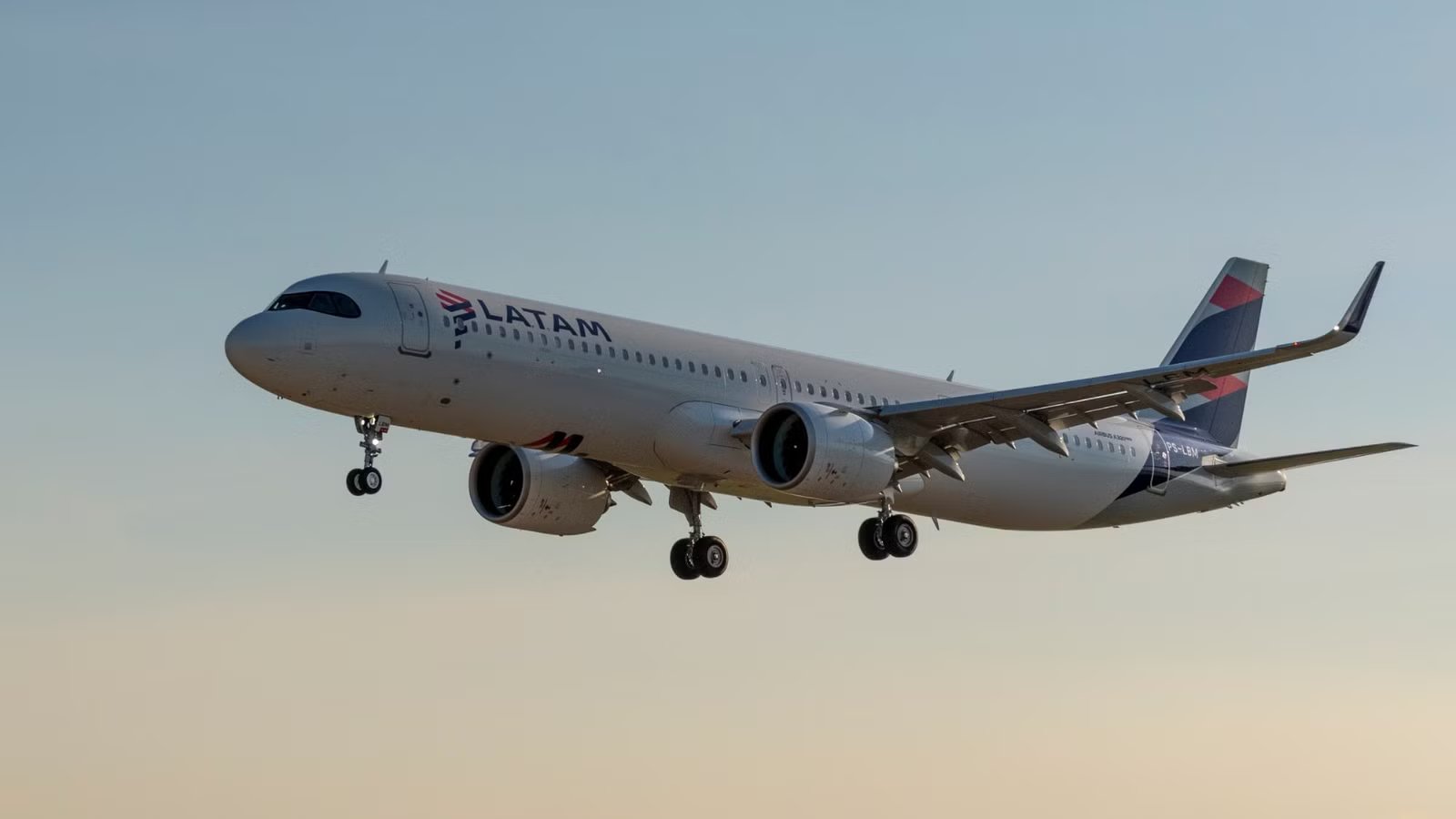
Multinational LATAM Airlines Group is preparing to add 11 new-generation aircraft to its fleet after securing a $505 million financing package for deliveries planned for the second half of 2026, according to a recent press release. The deal covers one Airbus A320neo, four Airbus A321neos and six Embraer E195-E2s, with BNP Paribas leading the long-term financing structure. Around $400 million of the transaction is sustainability-linked, with part of the financing conditions tied to LATAM’s emissions intensity performance.
The financing comes as LATAM continues an aggressive fleet renewal program to add capacity while improving operating efficiency. The airline expects to end 2026 with more than 410 aircraft, having received 13 new aircraft in the first half of the year and planning another 28 deliveries before December, according to FL360 Aero. The mixed Airbus and Embraer order will also give LATAM more flexibility to match aircraft size with demand across its vast South American network.
LATAM Secures $505 Million For 11 New Aircraft

LATAM’s $505 million financing package will support the addition of 11 Airbus and Embraer aircraft in the second half of 2026, creating a mix of larger narrowbodies and smaller regional jets. The aircraft will serve different roles within LATAM’s network. The A321neo will provide additional capacity on routes where demand exceeds what an A320-sized aircraft can accommodate, while the E195-E2 will enable the airline to serve thinner routes without deploying a larger narrowbody. The six Embraer jets are particularly significant because LATAM plans to introduce them into its domestic Brazilian operation, providing a new capacity option between smaller aircraft and the Airbus A320 family.
Andrés del Valle, LATAM’s Corporate Finance Director, said in a statement:
“This transaction combines three elements that are relevant to LATAM’s financial strategy: it diversifies our funding sources, supports the renewal and growth of our fleet.”
A Sustainability-Linked Boost For Fleet Renewal

The financing structure is almost as significant as its size. Approximately $400 million is linked to LATAM’s sustainability performance, with financial incentives connected to improvements in emissions intensity. This means the airline’s environmental performance can influence the economic conditions attached to part of the financing rather than the transaction simply functioning as a conventional aircraft loan.
The deal also represents the first time LATAM has used this type of sustainability-linked financing structure for its Embraer fleet. It follows a $300 million sustainability-linked revolving credit facility backed by engines that the airline secured in December 2024. LATAM has targeted a 6% reduction in emissions intensity by 2030 compared with 2019 and maintains a longer-term goal of reaching net-zero emissions by 2050.
The aircraft choice supports those broader objectives. Airbus says the A320neo family offers at least a 20% reduction in fuel burn and CO₂ emissions per seat compared with previous-generation aircraft. Meanwhile, Embraer’s E195-E2 provides about 25% better fuel efficiency per seat than earlier E-Jets, which has already attracted many global customers for this precise reason. However, actual savings will vary depending on factors such as routes, payloads, and operating conditions, but newer aircraft should give LATAM more efficient tools to expand its network, and, most importantly, provide more comfort to its passengers.
More Aircraft Are Coming For LATAM

The 11 aircraft financed through this transaction are only part of LATAM’s wider fleet expansion. The airline added 13 next-generation aircraft in the first half of 2026 and expects another 28 before the end of the year, bringing its total annual additions to more than 40. By the end of 2026, LATAM expects its fleet to exceed 410 aircraft, making it the biggest airline in Latin America and one of the largest in the Americas.
The carrier’s expansion plans extend well beyond this year’s deliveries. LATAM expects to add up to 130 aircraft by 2030, with more than half of its fleet projected to comprise next-generation aircraft. The first Airbus A321XLR is also expected to enter service in 2027, giving LATAM a longer-range narrowbody capable of opening or strengthening routes that may not require a widebody aircraft.
For now, the $505 million financing gives LATAM a combination of additional capital, fleet flexibility and sustainability incentives. The A320neo and A321neo will strengthen the airline’s core narrowbody operation, while the E195-E2s will provide a smaller-gauge option for the Brazilian domestic market. Together, the aircraft represent another step in LATAM’s strategy of growing its fleet while replacing older-generation aircraft with more efficient equipment.