dailynewsnblog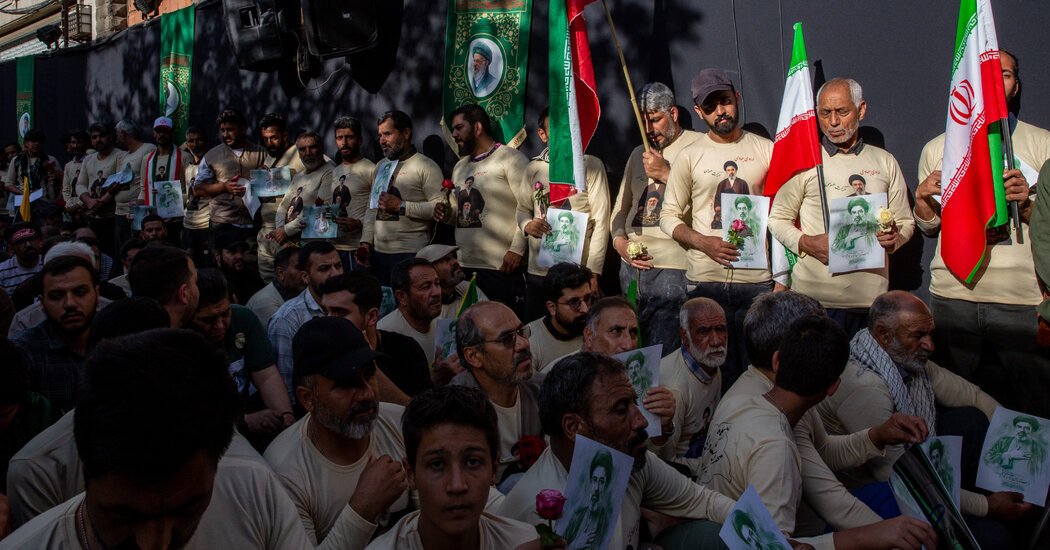
There are many elements of Ayatollah Ali Khamenei’s funeral this week that have little precedent, but perhaps the most unusual has been the long delay before his body will be buried, straying from Muslim tradition.
Under Islamic custom, a deceased person’s body is ritually washed and buried as soon as possible after death, ideally within 24 hours. The Islamic Republic has said it has stored Ayatollah Khamenei’s remains for four months after he was killed, alongside some other family members in U.S.-Israeli strikes, during the opening salvos of their air war against Iran.
Though a delayed burial is not expressly forbidden in Islam, religious scholars typically frown upon the practice as disrespectful to the dignity of the deceased. Many leading Islamic clerics — including Ayatollah Khamenei — have argued in religious jurisprudence that there must be a strong justification for such a delay.
Neither Iran’s government nor Ayatollah Khamenei’s inner circle have publicly offered an explanation.
The long delay sparked rampant speculation among Iranians on social media who did not believe the former ruler could really have remained unburied for so long. Some expressed suspicions that he had been secretly buried already — and that the coffin set to be paraded through the streets of Tehran in the coming days will be empty.
The rumors compelled the spokesman for Iran’s funeral committee, Iman Attarzade, to finally speak out last week.
“The sacred remains” of the slain leader, he wrote on social media, “have been preserved thus far, while observing religious and legal principles, and have neither been buried nor interred.”
Delayed burial was necessary for security reasons, said Mohammad Ali Abtahi, a Shiite cleric and Iran’s former reformist vice president, in an interview. With Iran mired in a war with Israel and the United States for months, such a large public event was almost impossible to organize, not least because of concerns over potential attack. A cease-fire agreement reached in April was fragile, and remains so despite a new framework deal agreed with Washington last month.
Mr. Abtahi also defended the idea of delaying the funeral to hold a major event, saying that “such ceremonies can be beneficial for national cohesion.”
The Islamic Republic has planned an event engineered to be a potent political symbol — a defiant show to the world that their government is still standing. The government will likely point to the size of the crowds as proof that, despite a brutal crackdown on nationwide protests this year, Mr. Khamenei and his successors retain legitimacy.
Some military and political leaders have described the funeral as “the largest public pledge of allegiance” to the slain ruler’s son and successor as supreme leader, Ayatollah Mojtaba Khamenei.
Leily Nikounazar contributed reporting