dailynewsnblog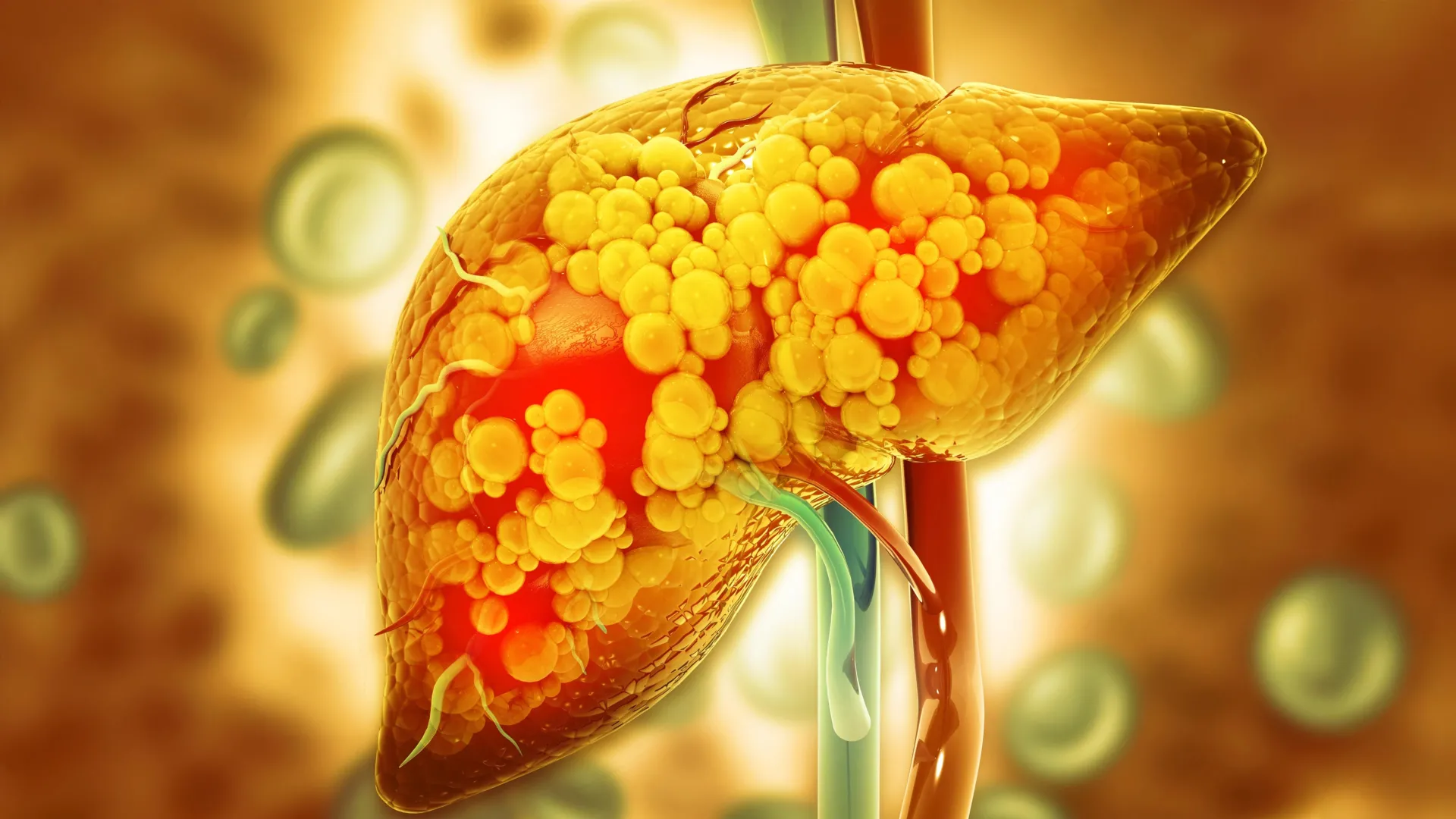
A very low-carbohydrate, high-fat diet may provide stronger metabolic benefits for people with obesity than either a Mediterranean diet or a low-fat diet, according to a clinical trial published August 27 in the Cell Press journal Cell Metabolism. After four to five months on a ketogenic (or “Keto”) diet, about half of the participants with obesity and prediabetes no longer met the criteria for prediabetes.
“We know weight loss can improve metabolic health in people who are obese,” says Samuel Klein, the study’s corresponding author at Washington University School of Medicine in St. Louis, Missouri. “Our data suggest that if you have high liver fat content and prediabetes, reducing carbohydrate intake can have important therapeutic effects on metabolism beyond just weight loss alone.”
Comparing Three Popular Weight Loss Diets
An estimated 40% of adults in the United States have obesity. Doctors often recommend low-fat, low-carbohydrate, or Mediterranean diets for weight loss, but researchers have not known whether one approach provides extra metabolic advantages beyond the effects of losing weight.
The three diets differ sharply in how much carbohydrate and fat they provide. A low-carbohydrate diet, also known as the Atkins or ketogenic diet, greatly restricts carbohydrates. A low-fat diet, by contrast, can get as much as 70% of its energy from carbohydrates. A Mediterranean diet emphasizes plant-based foods such as vegetables, olive oil, and nuts, along with moderate amounts of fish and dairy. A ketogenic diet can include foods rich in saturated fat, including animal products.
To compare their effects, Klein and his colleagues enrolled 42 people with obesity, prediabetes, and fatty liver disease in a clinical trial. Participants were randomly assigned to follow a ketogenic diet, a Mediterranean diet, or a low-fat, plant-forward diet. The research team supplied all of their food, and participants met with a dietitian every week to help them stay on their assigned eating plan.
Matching Weight Loss Across the Groups
The ketogenic diet supplied just 4% of calories from carbohydrates and 73% from fat. In the Mediterranean group, 50% of calories came from carbohydrates and 35% from fat. The plant-forward diet provided 70% of calories from carbohydrates and 15% from fat.
Researchers adjusted calorie intake for each person so that participants in all three groups would lose about 10% of their body weight. Reaching that target took roughly four to five months.
By the end of the study, participants in every diet group had significantly reduced their body fat. Insulin sensitivity also improved across all three groups, helping the body control blood sugar more effectively.
Keto Produced the Largest Drop in Liver Fat
Despite similar weight loss, the ketogenic diet produced the strongest changes in several measures of liver and metabolic health. Liver fat fell by an average of 67% among people following keto, compared with an average reduction of 45% in both the Mediterranean and plant-forward groups.
The researchers also tracked participants’ metabolism over a 24-hour period by repeatedly analyzing their blood. People in the ketogenic group showed the largest rise in glucagon, a hormone that helps reduce fat stored in the liver. They also had the greatest decline in blood insulin levels, another change that can help lower liver fat, compared with participants following the other two diets.
“The most surprising finding was that participants in the ketogenic diet group didn’t experience an increase in blood fat or cholesterol levels despite consuming the most fat,” says Max Petersen, the study’s first author at Washington University School of Medicine.
Prediabetes Improved Most in the Keto Group
After the weight loss intervention, about 50% of participants following the ketogenic diet no longer met the criteria for prediabetes. That compared with 29% of those on the Mediterranean diet and 7% of those following the plant-forward diet.
“GLP-1-based medications have revolutionized the therapy of obesity. We now have a very effective pharmacotherapy for achieving significant weight loss,” Petersen says. “But in addition, our study shows that the specific composition of the diet can give you added benefits.”
The research was supported by the National Institutes of Health and the Foundation for Barnes-Jewish Hospital.