dailynewsnblog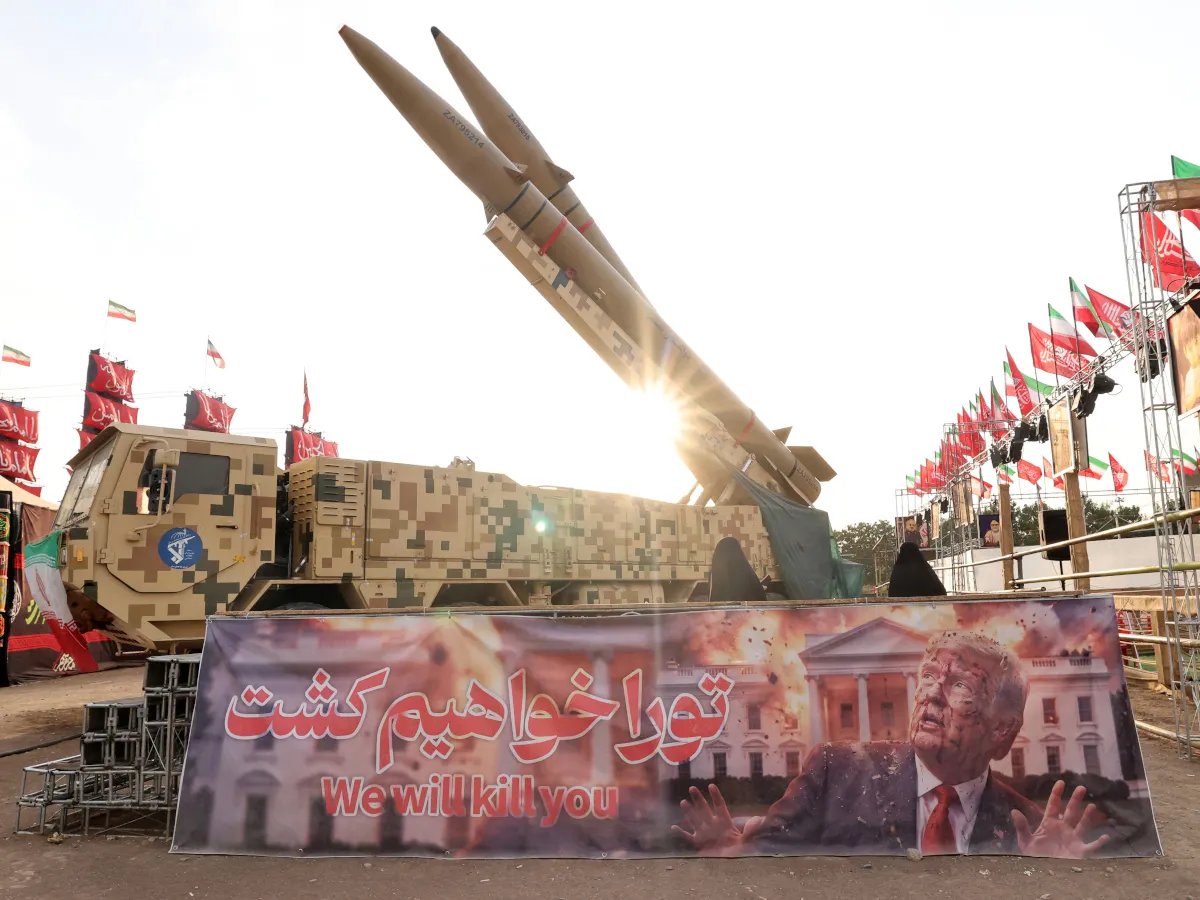
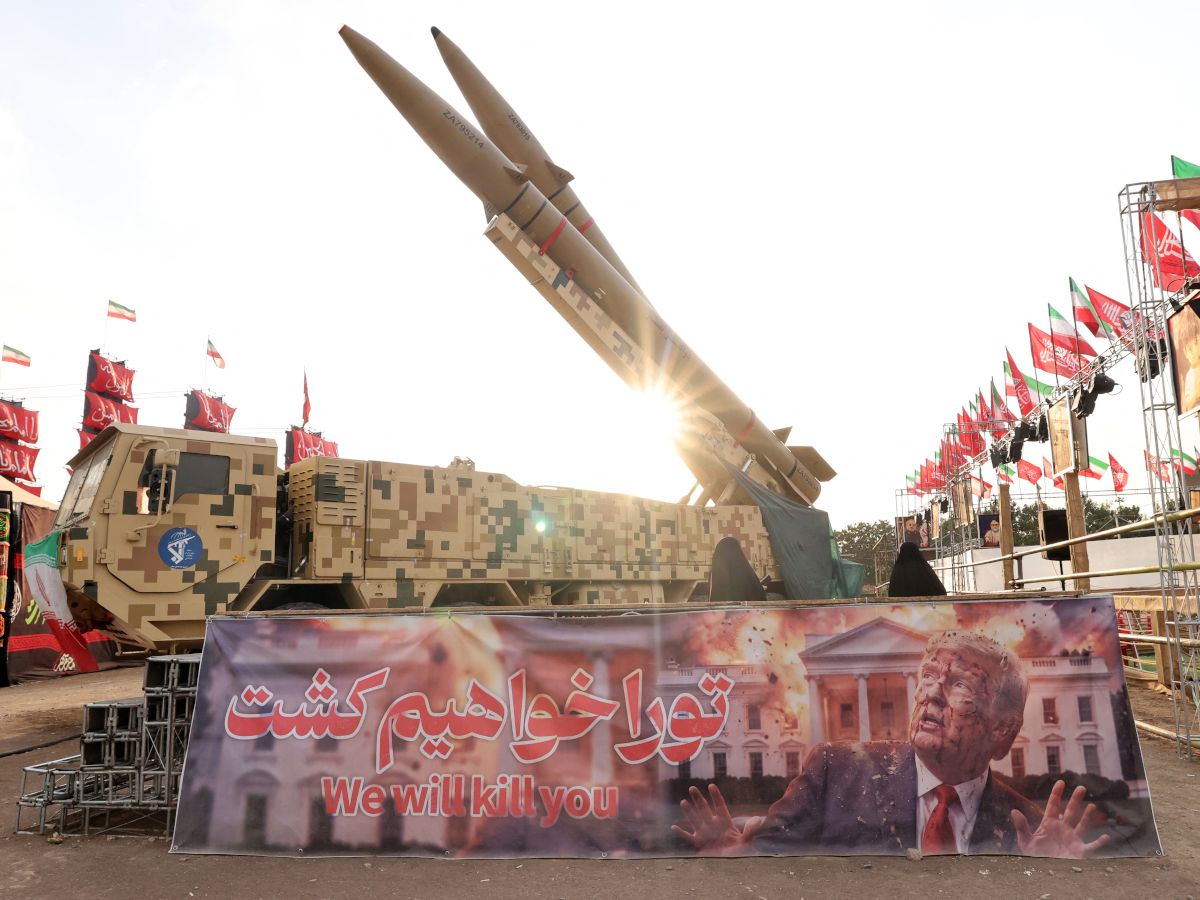
I try not to think too much about the current president of the United States — it’s just too depressing — but it’s been hard to look away as he tries to wriggle his way out of the war he started in Iran.
Donald Trump, the U.S. commander-in-chief and leader of the free world, has other things he’d rather be doing, mostly to do with the real estate world he appears to miss badly.
He’s dug up the backyard at the White House and has a ballroom half built but has once again been ordered to halt by a judge. He’s got a new helipad underway a few steps away but is demanding changes because the lawn evidently slopes in a displeasing manner. He’s mad at D.C. U.S. Attorney Jeanine Pirro for admitting his reflecting pool project wasn’t sabotaged by Olympic canoeist David Hearn but was bungled by his own administration, and he’s determined to push ahead with renovations to a local public golf course despite pushback from locals concerned about the destruction of biking and hiking trails and a grove of cherry trees.
With all this important business at hand — fussing about endlessly over building projects he can mostly see from his window — the war he launched keeps getting in the way. He’s retreated on pretty much every aim he set when he engineered the conflict, yet the remnants of the regime he pledged to obliterate won’t let him quit and go home to play with his bulldozers.
The latest we’ve heard is that he’s willing to call it quits in return for a few token concessions. He wants Iran’s leaders to promise they’ll let ships pass through the Strait of Hormuz more or less unmolested, and without charging any fees. That’s how it worked before he started blowing up their country, and most likely still would work if he’d keep the missiles in check, so it’s not a lot to ask. Given the carnage, the deaths, the destruction and the disruption the war caused you could say it’s the absolute minimum they could do. Trump could pretend he’d won the dispute, wipe his hands of the mess he made and get back to things he understands.
But the regime won’t co-operate.
It’s impossible to admire Iran’s leadership, brutal murderers that they are, but it has to be admitted they’ve taken the measure of Donald Trump and are employing that understanding with consummate skill.
America’s first president would have understood Tehran’s thinking when the U.S. attacks began in February. George Washington knew, 250 years ago, that the way to defeat the British was simply to outlast them. Survival was victory. Like those revolutionaries, Iran’s task was to avoid a direct confrontation with the much stronger enemy, enduring the onslaught until U.S. authorities tired of the battle and began seeking an exit.
It took eight years to wear down the British in an age when transport and communications took much longer; today’s administration lacks that level of wisdom and grit. The Trump White House is ready to call it quits after less than six months.
The lack of resolve was foreseeable from the start. Recent U.S. history is littered with examples of presidents ordering up conflicts with no apparent idea of how to eventually get out. The last time the U.S. exited a major military confrontation with a well thought-out and effective plan for the aftermath was three-quarters of a century ago when it helped rebuild Europe on a democratic basis out of the ashes of the Second World War.
Since then, presidents have sent off troops to a hodgepodge of conflicts from Korea to Vietnam to Iraq to Afghanistan — and now to Iran — only to depart years later after catastrophic loss of life and little gain to show for it.
Again and again, the United States set off with no real understanding of the country, the people or the culture it was attacking. Until the very end it failed to understand North Vietnam’s willingness to sacrifice lives to whatever extent required. It entered Iraq expecting to be hailed as liberators, with a vague plan to somehow Americanize a country with 6,000 years of non-democratic rule. It spent 20 years seeking to rebuild Afghanistan after 9/11, only to have the Taliban return just two weeks after its chaotic departure.
In all those cases, their opponents were happy just to see U.S. forces leave. No one thought of asking concessions: just go, and take your western ideas with you. In Iran things look different: the surviving powers want America to pay a price for the turmoil it set loose.
There’s no more talk in Washington of Iran’s leadership being eliminated, its people freed from the yoke of repression or an end brought to decades of support for regional terrorist groups. The latest plan would see Oman and Iran sharing management of the strait, enabling ships to pass as long as they stuck to fixed routes. No tolls would be charged, but the two countries would share revenue from a “service fee” that amounts to the same thing.
If accepted, it would represent a clear defeat for the U.S., handing Iran a degree of control over a crucial waterway previously open to all, while allowing it to make a profit to boot. That might be humiliation enough, but with agreement supposedly near, Tehran upped the ante with a list of new demands seemingly designed to ensure that if Washington wants out it must be humbled in the process.
A statement issued Saturday by the leader of Iran’s Revolutionary Guard proclaimed the strait won’t open until the U.S. “corrects its behaviour,” ceases issuing threats, stops blocking Iranian ports, lifts all sanctions, unfreezes Iranian assets and agrees to pay for the vast war damage it caused.
No doubt, there will be some fiery words posted on Truth Social, which now charges US$100,000 (C$139,000) a month for wealthy investors to get preferred access to the president’s thoughts. Iran seems unmoved by such outbursts, however, even when all the letters are capitalized.
It understands the U.S. better than anyone in the administration guessed, and seems particularly attuned to the weaknesses and character flaws of this particular president. It’s using his lack of focus and discipline against him, weaponizing his impatience and meagre attention span. It’s looking ever-more likely that when Trump leaves the scene, the despots he sought to oust will still be around to bid him adieu.
National Post