dailynewsnblog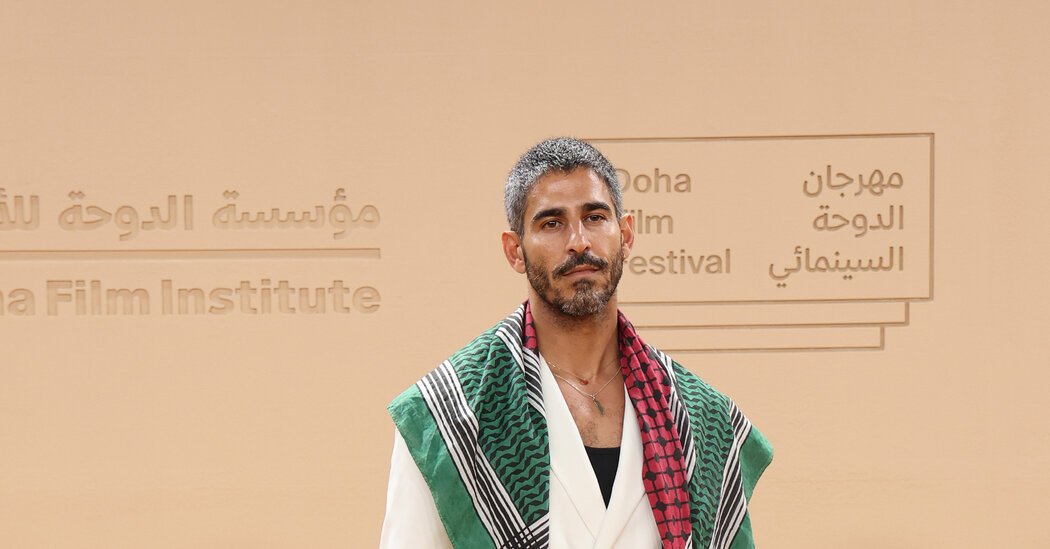
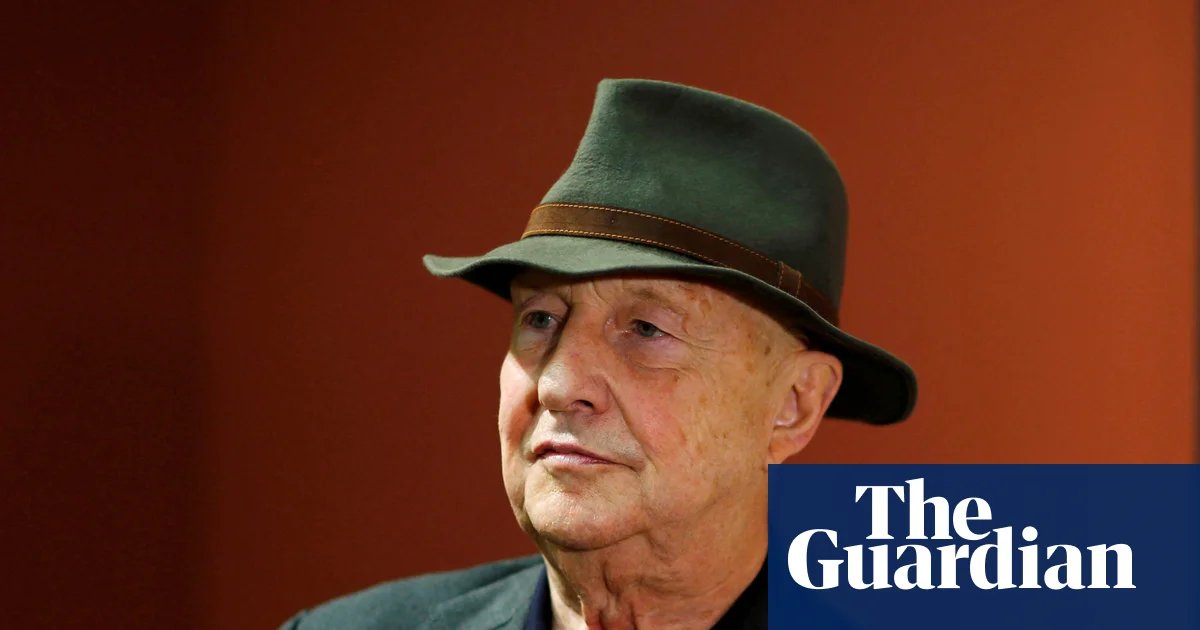
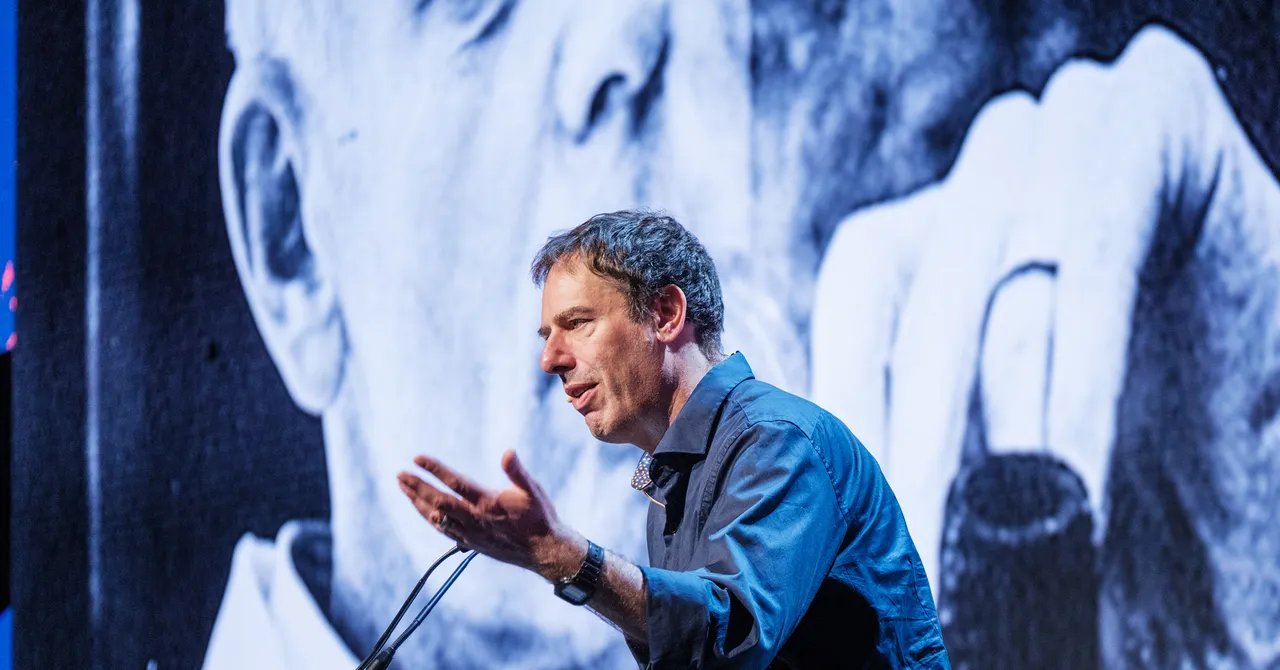
A prominent Kuwaiti-American journalist said on Wednesday that his citizenship had been revoked by Kuwait, where he was detained for several weeks on vague charges related to national security. He was arrested after posting on social media about the Iran war.
The case of the journalist, Ahmed Shihab-Eldin, has highlighted a crackdown on speech and social media usage in the authoritarian Persian Gulf countries since the war began in late February.
Mr. Shihab-Eldin, who has contributed to the BBC and Al Jazeera English and had also worked for The New York Times, was released from detention last week after being partially acquitted of the charges he faced, and he has since left Kuwait, according to his international legal team.
On Wednesday night, Mr. Shihab-Eldin said that the Kuwaiti government had stripped him and his sisters of their citizenship, according to a statement shared by his international lawyers.
The Kuwaiti government does not appear to have addressed his case publicly. The Kuwaiti Embassy in Washington and an official at Kuwait’s Ministry of Information did not immediately respond to requests for comment.
Tens of thousands of Kuwaitis have lost their citizenship over the past two years as the government carries out a sweeping, exclusionary campaign to redefine what it means to be Kuwaiti.
“The past seven weeks have been a harrowing ordeal — one that has only strengthened my resolve in the face of injustice,” Mr. Shihab-Eldin said in the statement. “For now, I am focusing on recovery. In time, I will speak about what I endured.”
Mr. Shihab-Eldin was born in the United States to parents of Palestinian descent. His mother, like many Palestinians displaced after the creation of Israel, eventually settled in Kuwait, he has said.
Mr. Shihab-Eldin has produced documentaries on sensitive human rights topics in the Middle East. He was detained in early March while visiting Kuwait and charged with spreading false information, harming national security and misusing his mobile phone, according to his international legal team.
He was arrested after making comments online about the Iran war and sharing a video showing a U.S. fighter jet that had crashed near an air base in Kuwait, the Committee to Protect Journalists said. The jet was one of three that the U.S. military said were mistakenly shot down by Kuwaiti air defenses. Mr. Shihab-Eldin’s detention was condemned by international rights groups.
“Stripping Shihab-Eldin of his citizenship is not just punitive, it is a dangerous escalation in the use of state power to crush press freedom,” Jodie Ginsberg, the chief executive of the Committee to Project Journalists, said in a statement. “Weaponizing nationality to punish reporting sets a chilling precedent for every journalist in Kuwait and the Gulf.”
Since the war began, the authorities in the United Arab Emirates and Qatar have arrested hundreds of people for “spreading rumors” or sharing footage of Iranian strikes in their countries, according to official news agencies. In the Emirates and Bahrain, some people have been charged with “glorifying” Iranian attacks.
Analysts say that while the arrests were partly motivated by national security concerns, Gulf officials also fear that imagery and commentary on the attacks could damage their countries’ images as safe havens in a turbulent region.
In March, the Emirati authorities arrested a videographer for an international news outlet, accusing him of filming in “restricted areas without obtaining the necessary official permits.”
And this month, Bahrain moved to strip dozens of citizens of their nationality, accusing them of betraying their country and threatening national security.
A preliminary verdict issued last week in Mr. Shihab-Eldin’s case acquitted him of spreading false information and “refrained from pronouncing punishment” on the other two charges, his legal team said.
“I am free — but many remain behind bars in Kuwait and across the region for speaking the truth,” Mr. Shihab-Eldin said in his statement. “I will continue to use my voice to demand justice and accountability for all.”