dailynewsnblog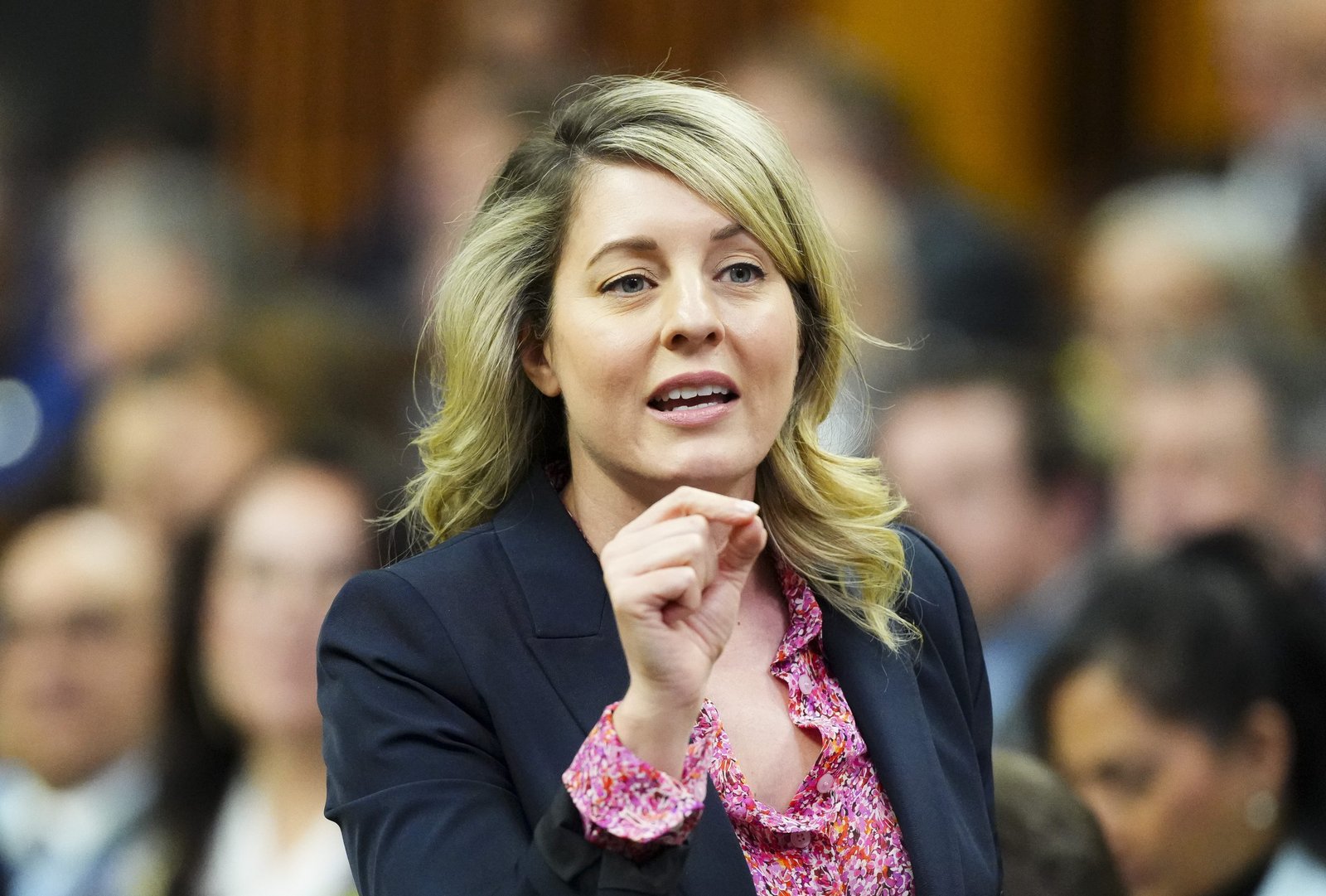
Asked directly whether American officials or members of her own government told her that efforts to penalize Stellantis for failing to honour employment commitments were undermining negotiations with Washington, Joly responded: “First, no.”
Industry Minister Mélanie Joly flatly rejected claims that Ottawa was warned its aggressive stance toward Stellantis was jeopardizing Canada-U.S. trade talks, pushing back against reporting that tensions with Detroit automakers helped derail a near-complete agreement with the White House last fall.
Asked directly whether American officials or members of her own government told her that efforts to penalize Stellantis for failing to honour employment commitments were undermining negotiations with Washington, Joly responded: “First, no.”
“I must say we will always fight for auto workers,” she said. “We know that the American tariffs are illegal and unjustified.”
The comments are a direct rebuttal to allegations raised in a recent report by POLITICO, which detailed the collapse of trade discussions between Prime Minister Mark Carney and U.S. President Donald Trump after what had initially been described as a breakthrough meeting at the White House.
The report said that a near-completed Canada-U.S. trade framework collapsed last October amid growing frustration from the North American auto sector over Ottawa’s approach to automakers.
According to the report, Prime Minister Mark Carney left a White House meeting with U.S. President Donald Trump believing the two sides were close to an interim agreement covering steel, aluminum, uranium and energy exports.
Then, Joly’s October threat to sue Stellantis over the company’s decision to move planned Jeep production from Brampton, Ont., to Illinois, combined with Ottawa’s decision to reduce tariff-free vehicle imports for Stellantis and General Motors, would have angered Detroit automakers and became a significant irritant in negotiations.
Joly, however, dismissed suggestions that her actions contributed to the breakdown in talks and instead pointed to broader volatility coming from Washington.
“We will continue to deal with unpredictability coming from the White House,” she said when asked why the complaints were surfacing months later.
“Not only we are, but the rest of the world also is,” she added, saying she has spoken with European counterparts facing similar tensions with the United States.
“My goal ultimately is to make sure that we’re building the economy here and building Canada strong,” she said. “While there are many things we can’t control in the world, and we can’t control what’s going on in the White House, there are many things we can control here at home.”
The political fallout comes as Canada’s auto sector faces mounting uncertainty on multiple fronts.
Japanese automaker Honda Motor Co. is reportedly preparing to indefinitely freeze development of its planned $15-billion electric vehicle supply chain project in Ontario, according to Japanese media reports.
Honda had already paused the project last year, citing slowing EV demand and the need to reassess market conditions. Reports now suggest the company is shifting its North American strategy toward hybrid vehicles instead.
Honda Canada has not confirmed the reports when iPolitics reached out, saying only that it has “nothing to report at this time.”