dailynewsnblog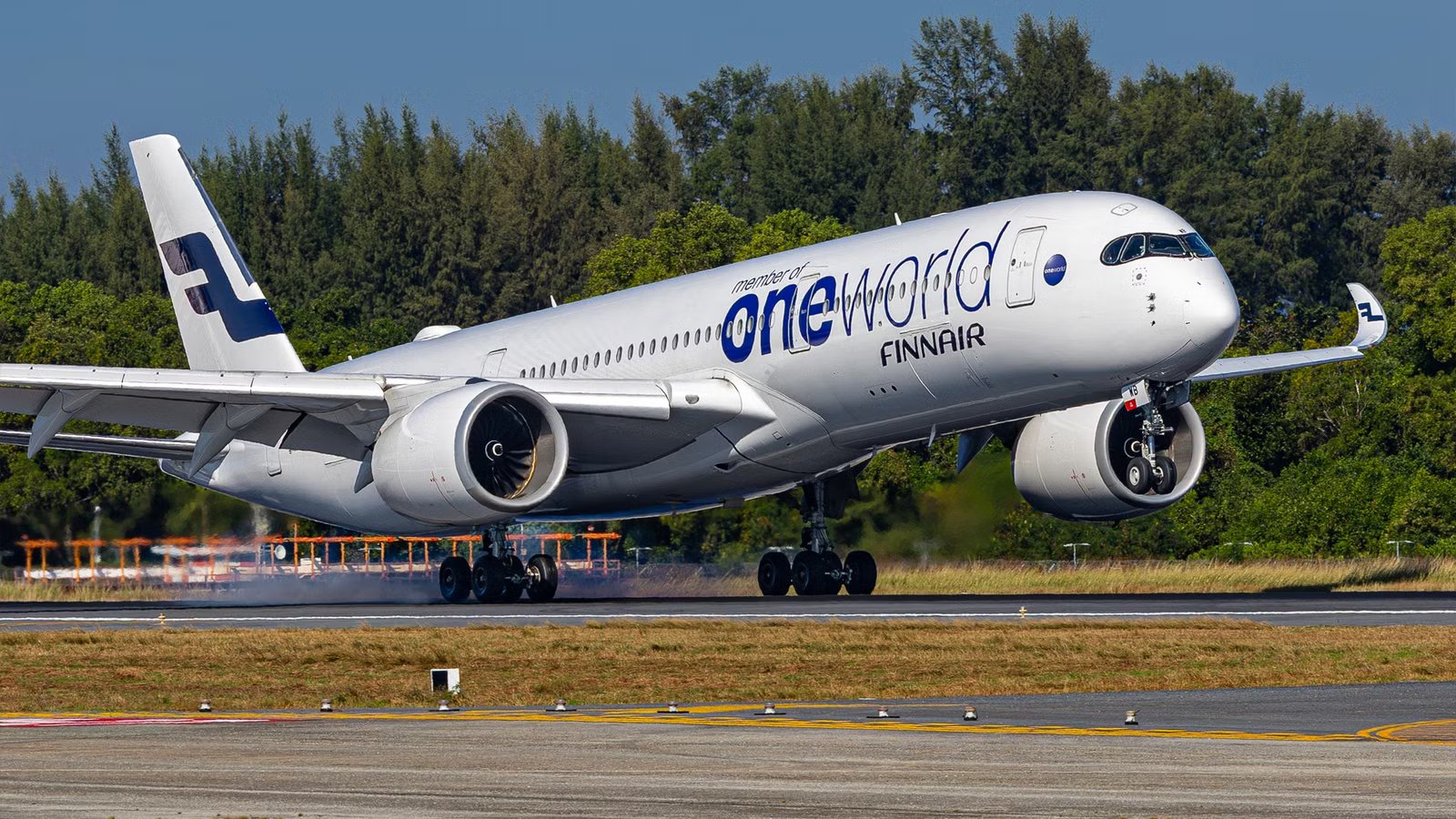
Airline alliances play a critical role in modern aviation, allowing carriers to extend their reach far beyond their own route networks. Through cooperation agreements, shared loyalty benefits, and coordinated schedules, alliances help airlines compete globally while offering passengers a more seamless travel experience. Yet despite their importance, the process of joining an alliance remains widely misunderstood. The competitive position of the alliance has also been examined by Simple Flying in its analysis of why oneworld remains the smallest of the three global airline alliances despite continued expansion.
Recent comments from  oneworld CEO Ole Orvér regarding Philippine Airlines‘ future membership have brought renewed attention to how alliance expansion actually works. Speaking during the IATA Annual General Meeting in Rio de Janeiro earlier this month, Orvér highlighted the benefits Philippine Airlines will bring to the alliance’s network and customer proposition. His remarks also served as a reminder that airlines do not simply submit an application to join oneworld. Instead, membership begins with an invitation and is followed by a lengthy process that can take years to complete.
Philippine Airlines’ Addition Shows Why Alliances Still Matter

Philippine Airlines became the latest carrier to join oneworld. For the alliance, the addition presents an opportunity to strengthen its position in Southeast Asia and improve access to one of the region’s largest domestic aviation markets.
Speaking in Rio, Orvér explained that Philippine Airlines will add numerous destinations to the alliance’s portfolio, enhancing connectivity alongside existing members such as Cathay Pacific, Qantas, and Japan Airlines. The result, he argued, is a stronger overall proposition for travelers who gain access to more destinations through a single alliance network.
The move could prove particularly valuable for the global Filipino diaspora. Millions of Filipino citizens live overseas, especially in North America, creating significant demand for international travel between the Philippines and major markets abroad. Orvér specifically pointed to the United States and suggested that deeper cooperation between  American Airlines and Philippine Airlines could eventually create additional benefits for customers once alliance integration is complete.
His comments came after questions about whether the world’s major alliances are effectively dividing the aviation market among themselves. While executives rarely describe alliance expansion in such terms, every new member strengthens an alliance’s competitive position in a particular region. For oneworld, Philippine Airlines fills a notable gap in Southeast Asia and provides additional connectivity in a market where rival alliances already maintain strong positions.
Joining oneworld Starts With An Invitation, Then Comes Member-Elect Status

One of the most common misconceptions about airline alliances is that carriers submit applications and simply wait for approval. In reality, joining oneworld is a much more selective process that depends on agreement from both the candidate airline and existing alliance members.
According to the oneworld membership process, prospective members must be approved by the oneworld governing board, which consists of the chief executives of all member airlines.
AeroTime similarly notes that membership requires election by the alliance’s leadership rather than approval through a conventional application process. The process, therefore, begins with mutual interest. Existing members evaluate whether a candidate airline fills network gaps, strengthens the alliance’s global reach, and adds value for customers. At the same time, the airline itself must determine whether the costs and operational commitments associated with membership justify the benefits.
Once an invitation is extended and accepted, the airline signs a memorandum of understanding with the alliance and becomes a “member-elect.” This designation indicates that the carrier has committed to joining but has not yet completed the extensive integration work required for full membership.
The process is highly structured and typically involves these key phases: Sponsorship & Proposal, Safety & Operational Audits, and Commercial & Loyalty Integration. Once the airline goes through all the steps, it becomes a full member of the alliance.  Oman Air followed this exact path. When the airline announced its future membership, oneworld described it as a member-elect while preparations for full integration continued. For passengers, very little changes during this period. Behind the scenes, however, airlines undergo one of the most comprehensive transformation projects in commercial aviation.
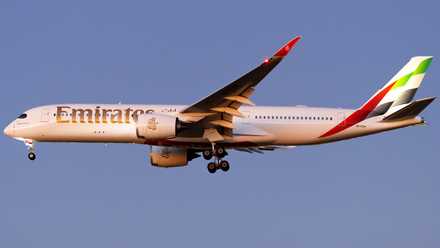
If Emirates Were To Join An Alliance, Which One Would It Be?
Dubai-based Emirates is famous for its all-widebody fleet and its global network. However, the carrier is a bit special in the sense that it is not part of a global airline alliance and, instead, prefers to form one-on-one partnerships with various airlines around the world.
This is a strategy that has served the carrier well, as it has the flexibility to enter partnerships with airlines regardless of which alliance they belong to. A few examples include Emirates’ partnership with United and Air Canada within Star Alliance, Qantas and Japan Airlines, which are part of the oneworld Alliance, and within SkyTeam, the carrier is partnered with Air Mauritius and Korean Air.
That being said, when evaluating the airline’s entire portfolio of partnerships, it becomes clear that the carrier is partnered with numerous Star Alliance carriers. By this logic, if the airline ever decided to join an alliance, it would have the easiest time integrating into Star Alliance. This would not necessarily

A lesser-known feature of alliance expansion is the requirement for a sponsor airline. Every carrier joining oneworld is paired with an existing member that helps guide it through the implementation process.
The sponsor airline acts as a mentor, sharing expertise and helping the incoming carrier understand alliance requirements. Because alliance integration affects nearly every part of an airline’s operation, this guidance can be invaluable.
When Oman Air joined oneworld, Qatar Airways served as its sponsor. Simple Flying also examined the benefits that Oman Air brings to the alliance, particularly its strategic location in Muscat and improved connectivity across the Gulf and South Asia. Qatar Airways worked closely with the carrier throughout the transition process, providing support as Oman Air aligned its systems, procedures, and customer-service standards with alliance expectations, according to Australian Frequent Flyer. This practice has existed for years. Cathay Pacific previously sponsored SriLankan Airlines during its integration process, helping the carrier navigate the technical and operational challenges of joining a global alliance.
The value of a sponsor airline becomes clear when considering the complexity of alliance membership. Existing members have already completed the process and understand where obstacles are likely to emerge. Their experience can help prevent delays and ensure that implementation proceeds smoothly. Although oneworld has not yet publicly identified which airline will sponsor Philippine Airlines, a similar relationship will play an important role as the carrier moves toward full membership.
The Integration Audit Is Where Most Of The Work Happens

The public announcement may attract interest among frequent travelers, but the real work begins after the celebrations end. Alliance integration requires a detailed audit covering dozens of business functions. Airlines are evaluated across a wide range of operational and commercial areas, including reservations, technology systems, loyalty programs, airport procedures, baggage handling, and customer-service standards.
Catch what other flight trackers miss
Emergency squawks, holds, NOTAMs — live signals, no signup.
Open tracker
Catch what other flight trackers miss
Emergency squawks, holds, NOTAMs — live signals, no signup.
Open tracker
The goal is to ensure that passengers receive a consistent experience regardless of which oneworld airline they are flying. This requires significant coordination between alliance members and often demands substantial investment in technology and operational processes.
Frequent flyer integration is one of the most visible examples. Customers expect to earn and redeem miles across the alliance, receive reciprocal elite benefits, access lounges, and enjoy priority services at airports around the world. Delivering these benefits requires reservation systems, loyalty platforms, and airport procedures to work seamlessly together.
The operational side can be equally challenging. Airlines must align baggage handling procedures, staff training programs, check-in systems, boarding processes, and customer-service protocols. These changes affect thousands of employees and millions of passengers, making careful implementation essential.
Perhaps the biggest challenge is that all of this work must take place while the airline continues operating normally. Flights cannot be suspended while systems are upgraded. Instead, integration occurs gradually over many months, which is why this phase often becomes the longest stage of the membership process.
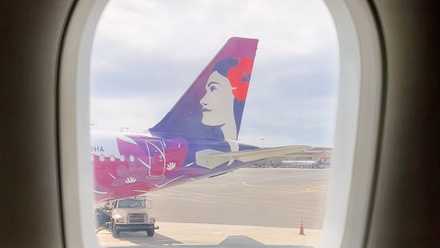
Hawaiian Airlines Officially Joins oneworld As The Alliance’s 3rd US-Based Member
The carrier says travelers can look forward to smoother transitions onto a larger network.
Why Joining oneworld Usually Takes Longer Than Expected

Alliance officials frequently describe membership as a process that takes between 12 and 24 months. While that estimate provides a useful benchmark, recent experience suggests that real-world timelines are often considerably longer.
Oman Air provides the most recent example. The airline first announced its intention to join oneworld in June 2022 and initially targeted membership in 2024. However, full membership was ultimately achieved on June 30, 2025, as per AwardWallet. As Simple Flying previously reported, the carrier’s lengthy integration process highlighted the significant operational and technological work required before full membership can be achieved.
The delay was not unusual. Airlines must coordinate technology upgrades, employee training, loyalty program integration, airport procedures, and customer-service changes across multiple alliance partners. Any challenge encountered during these projects can add months to the schedule.
As a result, many industry experts view the commonly quoted 12-to-24-month timeline as a minimum rather than a guarantee. Larger carriers with extensive route networks, multiple reservation platforms, or complex frequent-flyer programs may require significantly more time to complete integration.
Philippine Airlines is expected to join within approximately a year, but history suggests that timelines should always be viewed with a degree of flexibility. The airline’s progress will depend largely on how smoothly its integration projects proceed and how quickly alliance requirements can be incorporated into daily operations.
oneworld Connect Offers A Different Path To Membership

Not every airline wants or needs full alliance membership. Recognizing this reality, oneworld introduced the Connect concept in 2018 as a lighter and less demanding alternative.
The program allows airlines to establish strategic relationships with alliance members while avoiding some of the costs and requirements associated with full membership. Connect partners can offer selected alliance benefits while retaining greater flexibility regarding how those benefits are implemented.
The best-known example is Fiji Airways. The airline spent several years as a oneworld Connect partner before beginning its transition toward full membership. According to AeroTime, those years allowed Fiji Airways to build relationships with alliance members and gain valuable operational experience that simplified its eventual move toward becoming a full member.
Today, oneworld continues to evolve. The alliance’s broader growth strategy has been explored in Simple Flying’s analysis of how oneworld has developed its membership over the years. Oman Air became the alliance’s 15th member on June 30, 2025, while Hawaiian Airlines is scheduled to join as a full member on April 22, 2026, following its acquisition by  Alaska Airlines.
For Philippine Airlines, the invitation announced in Rio represents only the beginning of the journey. The airline must still navigate the member-elect phase, work alongside a sponsor airline, complete extensive integration audits, and align its systems with alliance standards before customers begin receiving full oneworld benefits.
The process illustrates an important reality about global airline alliances. Membership is not something airlines simply apply for and receive. Instead, it is earned through cooperation, approval from existing members, and a lengthy integration process that can take years to complete.