dailynewsnblog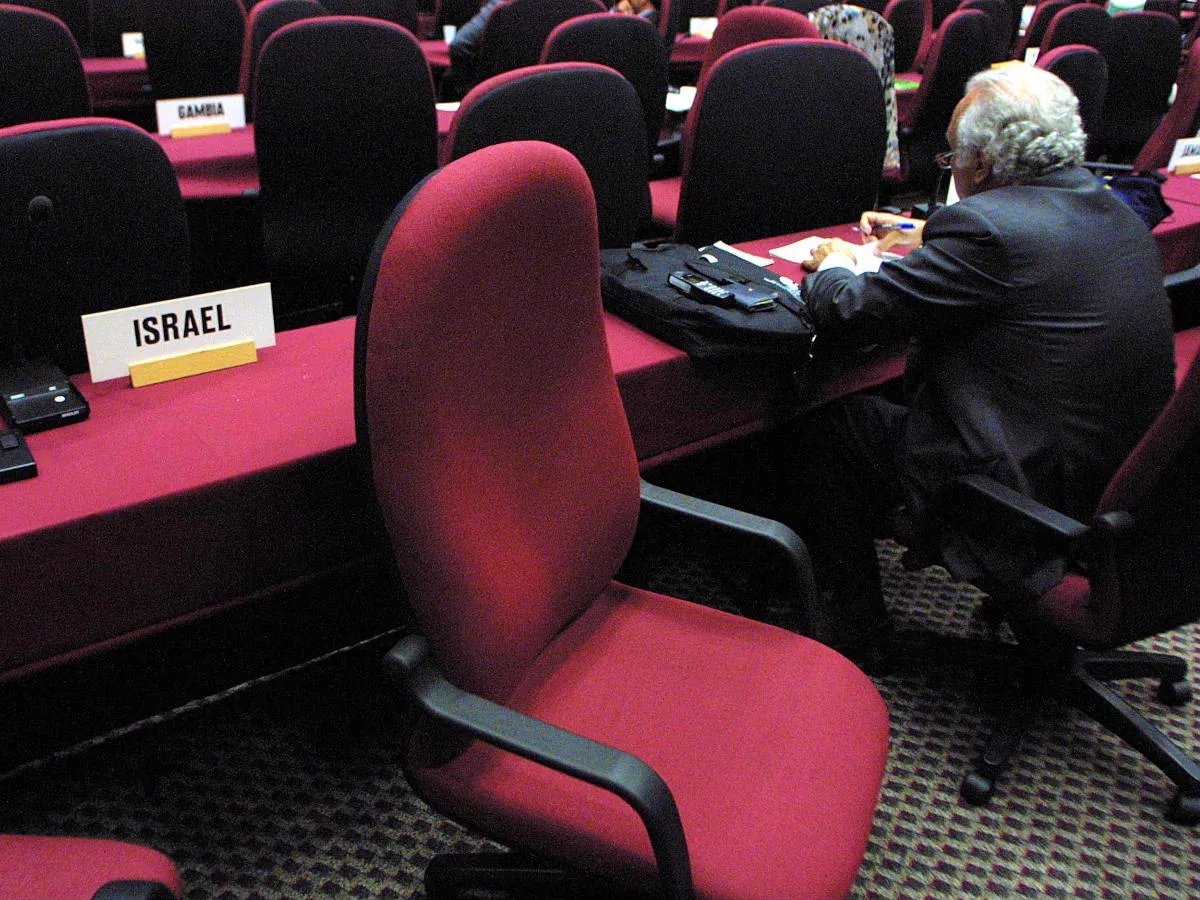
Attempts to paint antisemitism as a form of political expression rather than racism is far from a recent phenomenon. The clearest example of where this idea fermented on the world stage was the World Conference Against Racism (WCAR) in Durban, South Africa, which was held 25 years ago.
WCAR was billed as a global gathering to combat racism, xenophobia and intolerance. Governments, international organizations and civil society representatives assembled with the stated purpose of building a shared framework against racism in all its forms. There was a sense that history would be made.
I was there to witness it unfold first-hand. I had not travelled to Durban as an advocate or as someone looking to advance Jewish community concerns. In preparation for the conference, I had been commissioned to produce a report for the Government of Canada’s anti-racism secretariat that examined previous reports and recommendations on racism, racial discrimination and related intolerance. In effect, I arrived in Durban expecting conversations about combating racism in all its forms. Instead, what I encountered there was almost the opposite. And therein lies one of the bitter irony of the experience.
At the parallel NGO Forum, where civil society leaders from around the world were meant to give expression to the victims of racism and discrimination, the proceedings were transformed — or more accurately hijacked — into something much uglier. What should have been a universal anti-racism gathering became, in too many instances, an effort to remove Jew-hatred from the world’s anti-racism agenda. The spectacle was marked by manipulation, propaganda and a stunning willingness to excuse hostility toward Jews and dress it up as anti-Zionism or anti-Israel politics.
Jewish participants from across the political spectrum arrived expecting solidarity. Instead, many of us found ourselves asking whether antisemitism still counted as racism. Some participants described being harassed because they were visibly Jewish. Copies of “The Protocols of the Elders of Zion,” the notorious antisemitic forgery, were circulated. Posters equated Israel with Nazi Germany. Leaflets and slogans blurred, sometimes deliberately, any distinction between criticism of Israeli government policy and hostility toward Jews as a people. Conduct that would have been immediately condemned had it targeted virtually any other minority was tolerated, rationalized or ignored when directed at Jews.
That was the disturbing innovation of Durban. It helped globalize the effort to recast the hatred of Jews as political opinion. The very language of anti-racism was used to launder antisemitic expression. Jews were not denied the right to be protected in theory; rather, they were told that the hostility directed at them was not really hatred at all, but solidarity with the oppressed, anti-colonial activism or resistance to imperialism.
Rest assured that what happened at Durban wasn’t about Israeli government policy. It placed Israel, alone among the nations of the world, at the centre of the racism agenda. It treated Jewish self-determination as singularly suspect. It transformed Jews from a historically persecuted minority into the symbolic embodiment of oppression. Once that shift occurred, antisemitism could be dismissed as merely a political complaint.
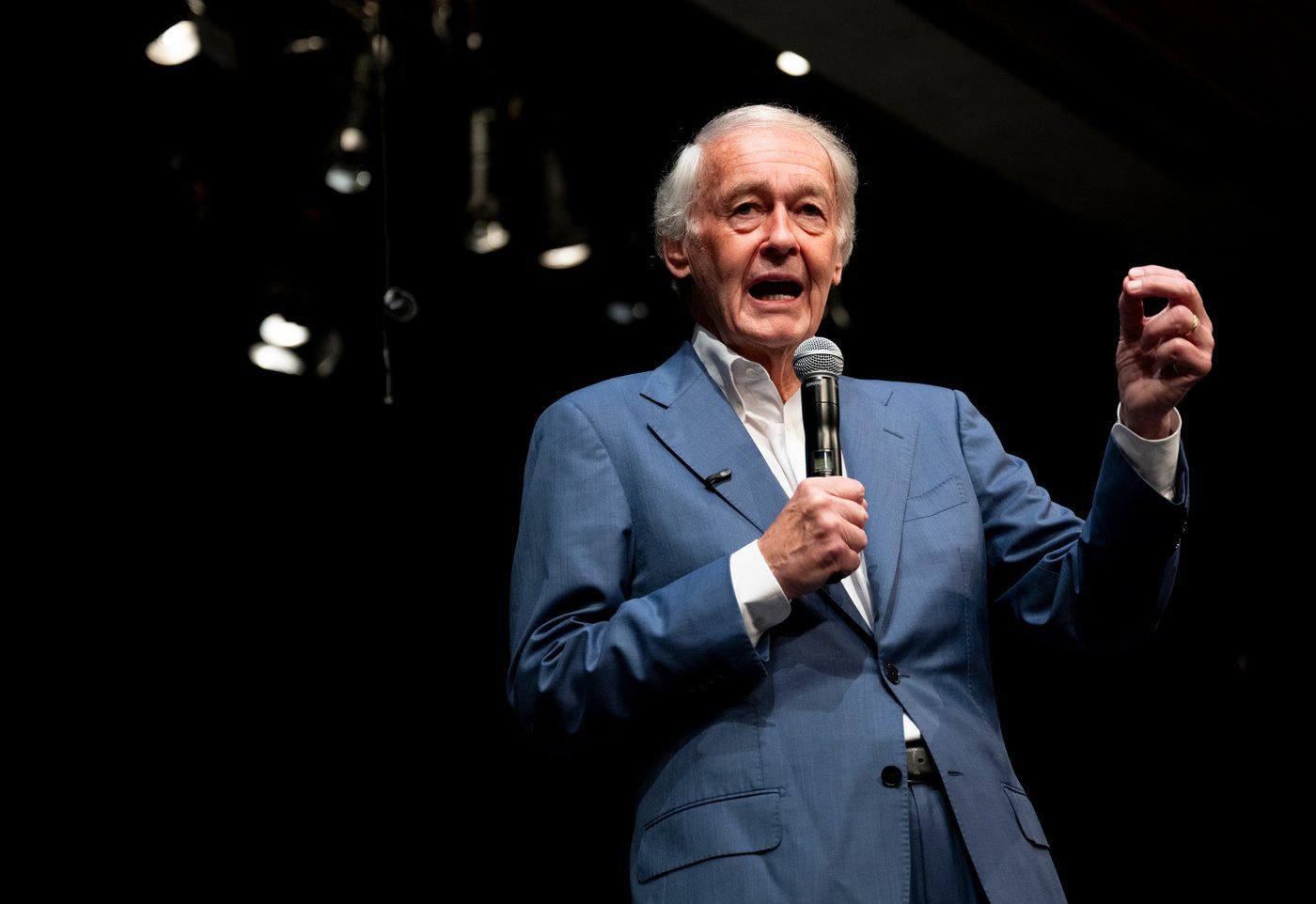
At a spontaneous gathering of Jewish conference delegates, Irwin Cotler, who would go on to become Canada’s justice minister, warned against what he called the “partitioning of prejudice.” The phrase has stayed with me since. Racism cannot be opposed selectively. Human rights lose their moral authority when they are applied conditionally. The moment hatred against a particular people is deemed understandable, fashionable or politically useful, the universalism on which anti-racism depends starts to collapse. Durban revealed that collapse in real time.
To be sure, there was a difference between the official governmental conference and the NGO Forum. The final United Nations declaration did not adopt the most extreme language advanced by activists, and thankfully it did acknowledge that antisemitism is a form of intolerance. But history remembers Durban at least as much for what unfolded in the civil society forum as for what appeared in the official diplomatic text. The NGO Forum exposed a fault line that has widened over the past quarter century: antisemitism is increasingly treated as debatable, contextual or somehow less apparent when conveniently associated with criticism of Israel.
That legacy is now visible everywhere. Jews are often required to prove that what they experience as antisemitism is indeed antisemitism. Expressions that would be condemned instantly if directed at other minorities are parsed endlessly when Jews are the target. The same people who insist that minorities must be trusted to define their own experience of racism suddenly demand footnotes, qualifications and geopolitical context when Jews describe hatred directed toward them.
That is one of the enduring legacies of Durban. It showed how easily anti-racism can be inverted when ideology overtakes principle. A movement that begins by defending the vulnerable can end up deciding which vulnerable people are inconvenient. A discourse built to expose hatred can become a vehicle for excusing it. A gathering convened to fight racism can, in the name of fighting racism, make room for one of its oldest forms.
Twenty-five years later, the deeper lesson arising from Durban is that universality is fragile. Anti-racism cannot survive if it becomes selective. Human rights cannot retain their force if some forms of hatred are condemned while others are rationalized because they fit a preferred political narrative.
That is why the irony of my presence in Durban still troubles me. I arrived having just contributed to Canada’s efforts to take stock of how governments and communities had tried to combat discrimination in all its forms. I left having seen how quickly the global language of anti-racism could be manipulated to exclude antisemitism.
Durban’s anniversary should therefore not be treated as a historical footnote. It should be remembered as a warning. When hatred of Jews is rebranded as politics, when antisemitism is carved out of the anti-racism agenda, the result is not justice, it’s the partitioning of prejudice — and it leaves a badly needed anti-racism project morally compromised.
National Post