dailynewsnblog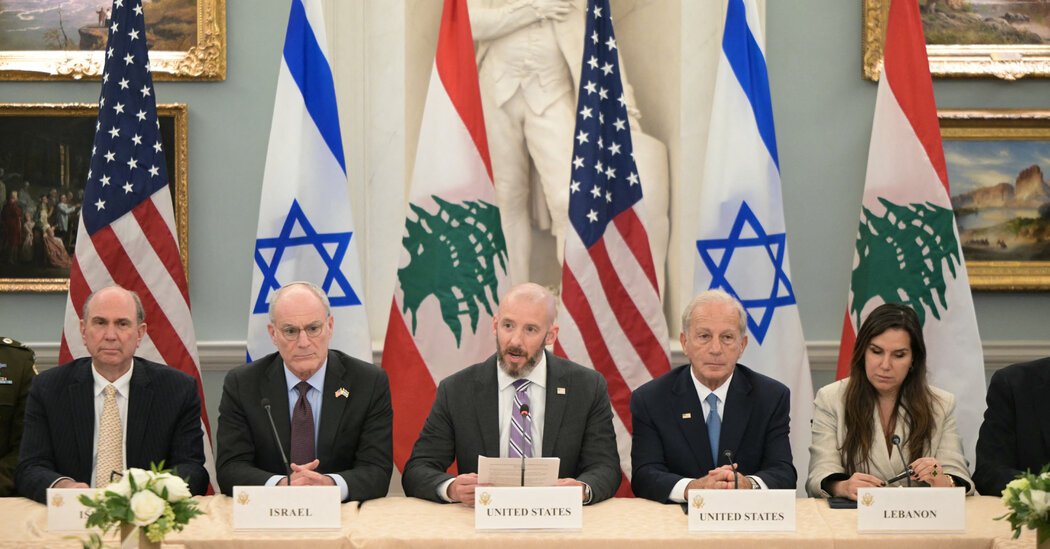
Israel and Lebanon have agreed to renew their cease-fire and work toward a “comprehensive” agreement, the two nations announced on Wednesday in a joint statement with the United States.
While the announcement may help to remove an obstacle in the talks between the United States and Iran, the agreement depends on the cooperation of Hezbollah, the Iran-backed Lebanese militant group fighting Israel. Hezbollah is not a part of, or controlled by, the Lebanese government and is not a party to either set of negotiations.
“The cease-fire is contingent on a complete cessation of Hezbollah fire and the evacuation of all Hezbollah operatives from the South Litani Sector,” the statement said, referring to an area of southern Lebanon that borders Israel. Israeli troops have occupied this area since shortly after the militant group resumed fighting with Israel.
Hezbollah began firing rockets across the border into northern Israel in support of Tehran on March 1, a day after the U.S.-Israeli strikes began on Iran. Israel then escalated the conflict, bombarding Hezbollah strongholds in and around the Lebanese capital, Beirut, and beyond. Israeli troops also pushed into southern Lebanon.
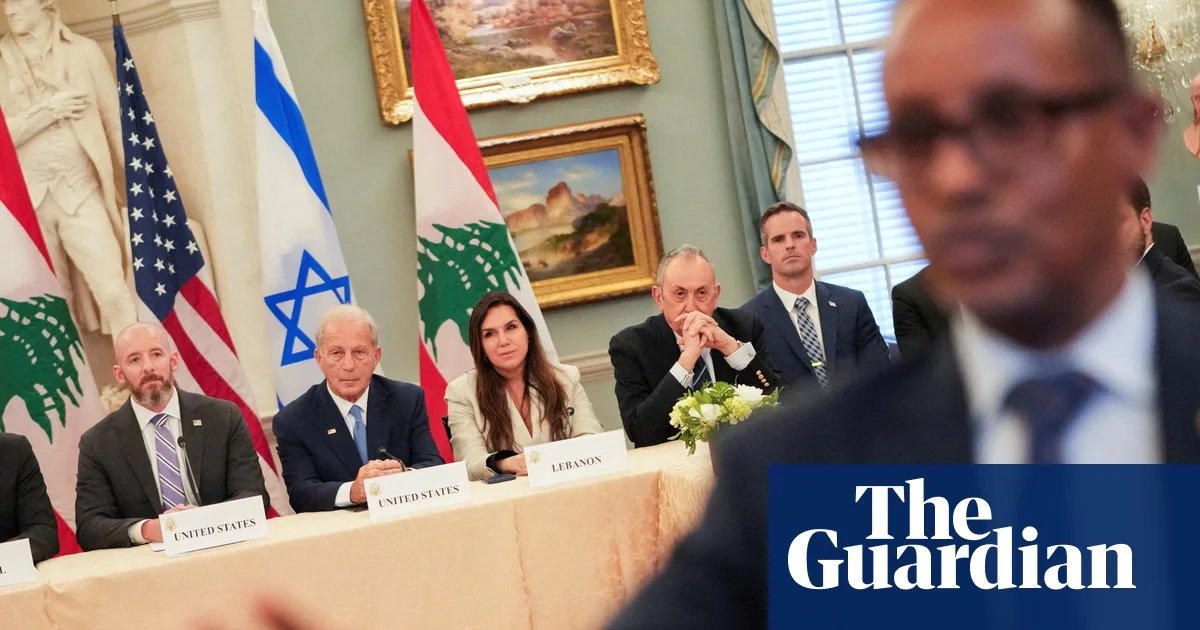
The agreement, which was confirmed by the U.S. State Department, was reached after Israeli and Lebanese officials met in Washington on Tuesday and Wednesday for U.S.-mediated talks. It calls for the creation of “pilot zones” in which the Lebanese military would “take exclusive control.” All “nonstate actors” would be barred, it said.
The fighting between Israel and Hezbollah has complicated peace talks to end the U.S.-Israeli war in Iran. Tehran has called for Lebanon to be part of any peace deal. Hezbollah’s leader, Naim Qassem, said in a recent speech to the Lebanese people that he welcomed an agreement between Iran and the United States that would include a truce in Lebanon, but he rejected the direct talks between Israel and Lebanon.
In April, a U.S.-brokered cease-fire took effect in Lebanon, but tit-for-tat attacks have continued, straining the agreement. Prime Minister Benjamin Netanyahu of Israel has escalated his rhetoric about Hezbollah in recent weeks, even as truce talks with Lebanon — and the negotiations between Iran and the United States — have taken place.
“We are at war with Hezbollah,” Mr. Netanyahu said in a video on social media late last month, pledging to intensify attacks on the militant group. Mr. Netanyahu is under domestic pressure not to back down as Hezbollah, in the latest round of fighting, has used new drones against Israeli soldiers and commanders, documenting the strikes in videos it has posted on social media.
Earlier this week, Mr. Netanyahu threatened to bomb Beirut, then backed off after Iran said it would withdraw from talks with the U.S. and President Trump announced the cease-fire in Lebanon was back on.
Itamar Ben-Gvir, Israel’s far-right national security minister, on Monday called on Mr. Netanyahu to reject any calls for restraint and to “do what is required and necessary to strike Hezbollah, to unleash the hands of our fighters.”
The joint statement attributed to the United States, Lebanon and Israel “reaffirmed that the future of the relationship between Israel and Lebanon must be decided by the two sovereign governments,” and “rejected any attempt, by any state or nonstate actor, to hold Lebanon’s future hostage.”
But disarming Hezbollah and asserting control over Lebanon has been a longstanding challenge for Lebanon’s government and armed forces.
More than 3,200 Lebanese and at least 30 Israelis have been killed in the renewed fighting between Hezbollah and Israel, according to the authorities in both countries.
The delegations from Lebanon and Israel discussed a security framework, including “the dismantlement” of armed groups, and “Lebanon committed to enhancing the capacity of the Lebanese Armed Forces, with U.S. support,” their statement said on Wednesday.
Lebanon and Israel “reaffirmed that they have no hostile intent toward one another and committed to continuing direct negotiations to build confidence, resolve all outstanding issues, and work toward a comprehensive agreement,” it said.
Israeli and Lebanese representatives will reconvene on June 22.