dailynewsnblog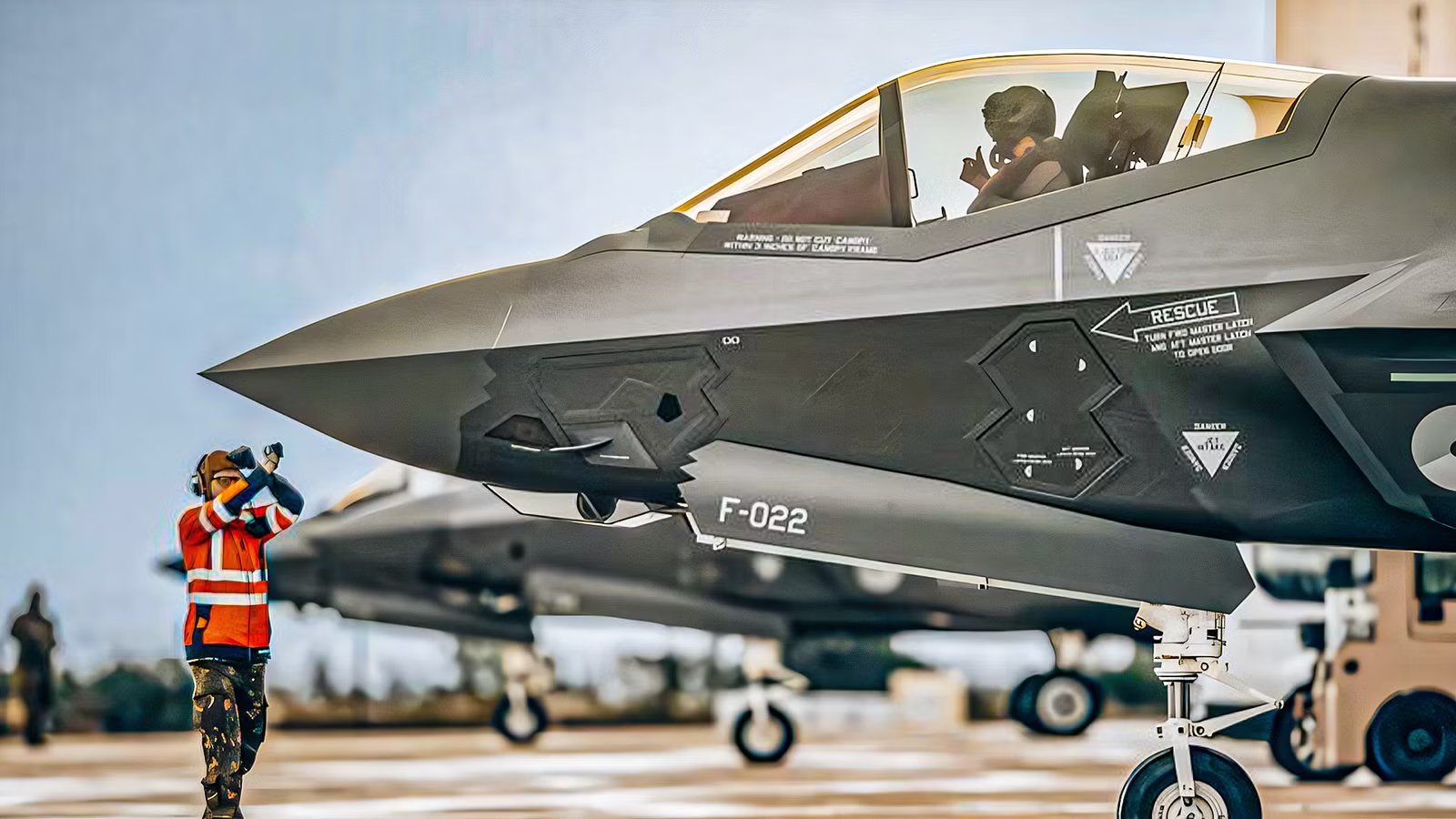
At the headline level, the answer to this complex question is yes. The highest-ranking United States Air Force pilots generally earn significantly less in direct cash compensation than the best-paid commercial airline pilots. In 2026, military basic pay for O-7 through O-10 officers is capped at just $19,000 per month, and that ceiling even applies to senior leaders within the organization, like the Chief of Staff of the Air Force. Even after adding officer bonuses and aviation incentive pay, military compensation at the top remains well below what senior captains at major airlines can earn flying large international aircraft. Current airline pay estimates place widebody captains at roughly $383,400 to $485,500 annually in salary alone, all while  Delta Air Lines pilot compensation also includes an 18% direct retirement contribution beginning in 2026.
That said, there is a great deal of nuance in this discussion. It is not that simple to just argue that paychecks alone can represent the entire suite of benefits available to both pilots. They can receive substantial non-cash value through government-funded training, healthcare, tax-advantaged allowances, job stability, and a defined-benefit retirement structure that most airline pilots do not get in the same form. So the core claim is thus true in straight salary terms, especially at the top end of the commercial aviation industry. The real-world compensation gap narrows once benefits, pension value, and career timing are taken into account. We aim to tackle what is objectively an extremely complicated question.
How High Can Pay Get For Commercial Pilots?

At the very top of the commercial pilot market, compensation is extensively concentrated among the most senior captains at major passenger and cargo airlines, especially those flying long-haul widebody jets. In the United States system, pay is usually built around hourly rates, monthly credit hours, aircraft type, and, most importantly, seniority. That is ultimately the statistic that matters the most for determining pilot salaries in the United States.
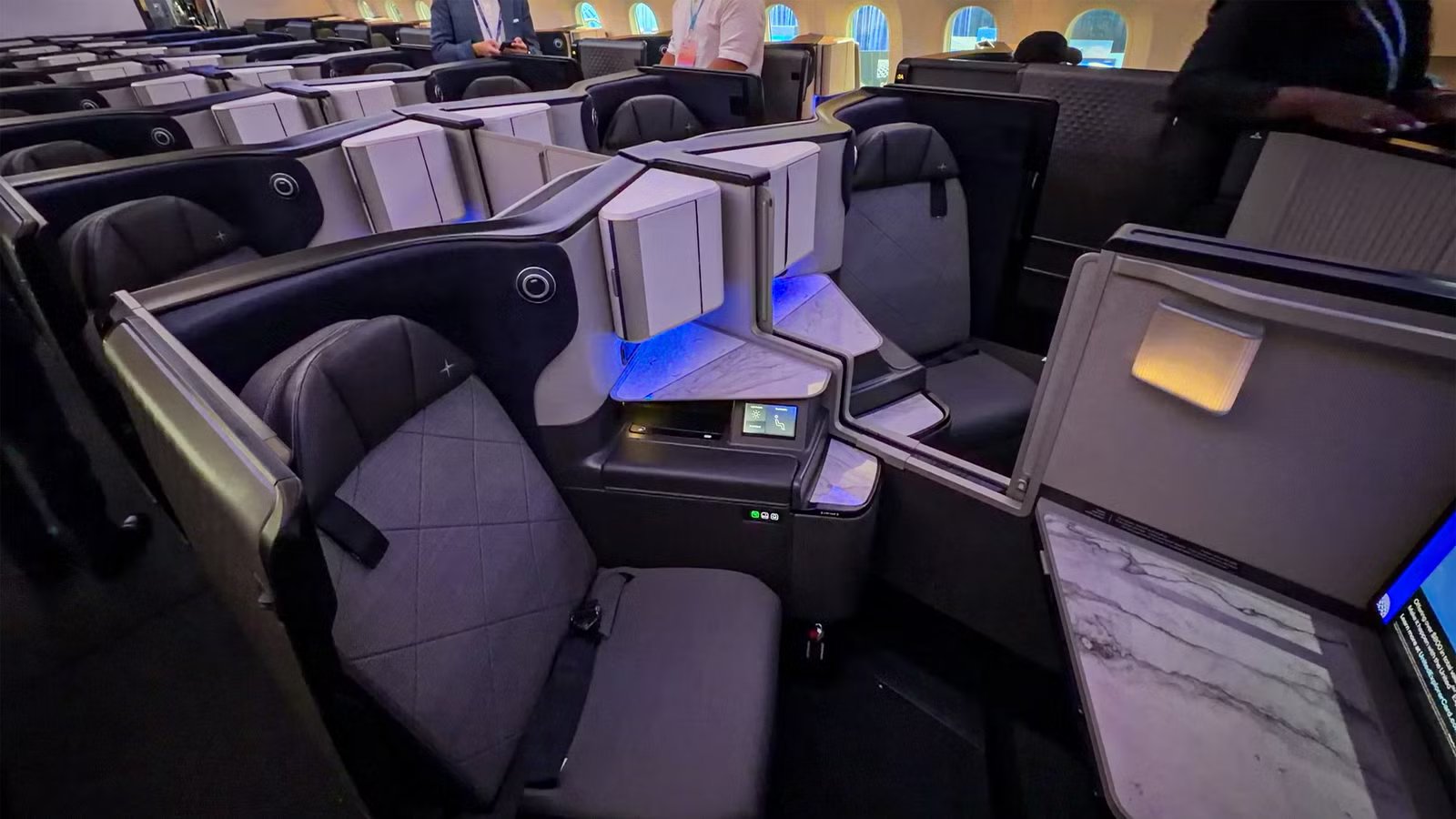
This ultimately means that the highest earners in the commercial aviation industry are not just captains, but rather pilots who have spent years bidding for the most lucrative fleets and routes. Pay guides for 2026 estimate that a senior Delta Air Lines Airbus A350 widebody captain will earn more than $380,000 in year one, but that number can rise as high as $418,500 by the twelfth year of individual captain service, according to ATP Flight School. This uses 74 flight hours per month along with a per diem allowance to cover expenses. Broader 2026 guides also say that senior captains at major airlines can reach over $450,000 per year.
Retirement benefits can make the package even more appealing. Delta contract comparisons show Delta, American, and United at 18% defined-contribution retirement levels, all while Alaska and Hawaiian are sitting at 17%. Differently, a top-end senior major-airline captain can sit around the low-to-mid $400,000s in annual cash compensation and get company retirement contributions large enough to push total employer-funded compensation to roughly half a million dollars in especially favorable situations.
A Look At The Highest Levels Of Fighter Pilot Pay

At the higher end of Air Force fighter pilot compensation, pay is primarily going to be driven by a handful of different factors, including officer rank, years of service, and aviation entitlements, rather than the simple fact that the officer flies fighter jets for a living. There is no separate fighter pilot salary table that matches the airline model. Starting in 2026, defense industry analysts expected basic pay for the most senior officers to be capped at just around $19,000 per month.
This accounts for around $228,000 per year, and that cap explicitly applies even to extremely senior positions like Chief of Staff of the Air Force. On top of all that, officers receive bonuses, with the Defense Department listing some allowances of around $330 per month, all before the tax-free housing allowance offered to pilots, which inherently differs quite a lot by location and dependency status. Aviation incentive pay adds more, but not nearly as much as many people assume at the very top of the spectrum.
Air Force aviation incentive pay tables can offer around $1,000 per month after around 12 years of aviation service, a number that drops to around $700 after 22 years and $450 after 24 years. The Air Force’s 2026 aviation bonuses can add up to $50,000 per year in some fighter communities, but that program applies only to lieutenant colonels and below, not generals. So the highest-ranking fighter-qualified officers are well paid, but their direct cash compensation still trails the top of commercial aviation fleets.

A Look At The Salaries Of Commercial Airline Pilots In The US In 2026
Salaries in the industry have continued to rise.
The Path To Becoming A Senior Airline Captain

The path to the very top of the airline seniority ladder is a long, seniority-driven climb rather than a relatively quick promotion. In the United States, a pilot starts his career by earning private, instrument, commercial, and multi-engine qualifications, all before building time as a flight instructor or in other entry-level flying jobs until reaching the experience needed for airline hiring at the highest levels.
Under Federal Aviation Administration rules, airline pilots traditionally require an Airline Transport Pilot certificate, which usually means 1,500 flight hours, though some restricted-ATP pathways allow fewer hours for certain applicants. From there, many pilots join a regional airline as a first officer, upgrade to captain once they have enough experience and the airline has openings, and then later move to a major carrier.
The final jump in these pilots’ careers is becoming a truly senior captain, and that can really take quite a few more years, all because major-airline career promotions run on seniority. The number of years served largely determines when one can hold captain status, which aircraft pilots fly, what base they hold, and whether they can hold the most lucrative long-haul widebody routes. In other words, the path is part training pipeline and part waiting game, with time, performance, and especially seniority all shaping who eventually finds their way to seats at the top.
What Is The Path To Becoming An Elite Fighter Pilot?

The extremely long path to becoming a senior fighter pilot is highly selective and much more centralized. First, you must become an Air Force officer, typically through the Air Force Academy, Air Force ROTC, or Officer Training School. Following that, elite candidates will be eligible to begin Undergraduate Pilot Training, which will typically last about a year. Near the end of that program, aircraft assignments are based on class ranking, instructor recommendations, training performance, personal preference, and Air Force needs.
Pilots who have been selected for fighters then move onto the fighter track, historically through introduction to Fighter Fundamentals and now increasingly through the Streamliner Fighter/Bomber Fundamentals model built around the T-38 pipeline. After that, there will come formal training in specific aircraft, followed by assignment to an operational squadron of some kind. Only then does the longer climb actually begin. A pilot builds credibility as a wingman, then advances to roles like flight lead, instructor, evaluator, or tactical expert.
Elite officers will sometimes attend the United States Air Force Weapons School for graduate-level instruction in tactics and employment. Reaching “senior fighter pilot” status, therefore, means not just surviving the initial training funnel, but also excelling operationally, earning leadership trust, and usually spending years balancing flying, instruction, and overall command readiness.

The US Air Force Pilots With The Highest Salaries In 2026
Discover the highest-paid US Air Force pilots in 2026, including ranks, bonuses, and total salaries for top-earning military aviators.
What About Overall Work-Life Balance?

The biggest non-financial difference between these two career paths is overall control over one’s life. Commercial pilots typically face irregular hours, overnights, time-zone fatigue, commutes, and weekends or holidays away from home. This is especially the case earlier in their careers. However, the job becomes much more lifestyle-friendly with seniority. Schedule bidding improves, reserve time usually declines, and pilots gain more say over routes, days off, and whether they fly short-haul or long-haul operations.
FAA duty-and-rest rules also create a formal fatigue framework that helps set boundaries on the job. Fighter pilots live with an extremely different work-life balance. The role can be deeply meaningful, high-status, and mission-driven, with strong camaraderie and a sense of purpose that many airline jobs are not capable of matching.
But the tradeoffs are significantly heavier. This is especially true when it comes to deployments, frequent moves, training intensity, physical requirements, risk exposure, and substantial non-flying duties such as administration, leadership, and readiness tasks. In short, commercial flying often offers better long-run personal control, while fighter flying offers more mission and identity but usually demands more from family life and personal stability.
What Is Our Bottom Line?

In conclusion, the careers of fighter jet pilots and commercial captains could not be more different, especially in overall trajectory and at the senior level. Operators of fighter jets are among the world’s most capable aviators, and are among the most trained and lethal pilots in the entire world.
Nonetheless, there are a handful of tradeoffs for those who choose to pursue the path of becoming an elite fighter pilot trained at the highest level. The first, and likely most notable of these tradeoffs, is that salaries are significantly lower at the most senior levels for fighter pilots.
This, unsurprisingly, makes the commercial aviation industry a natural second act for fighter pilots who choose to retire from the military. The skills of a fighter pilot are, with some additional training, largely transferable to the world of commercial aviation, and compensation incentives can be appealing.