dailynewsnblog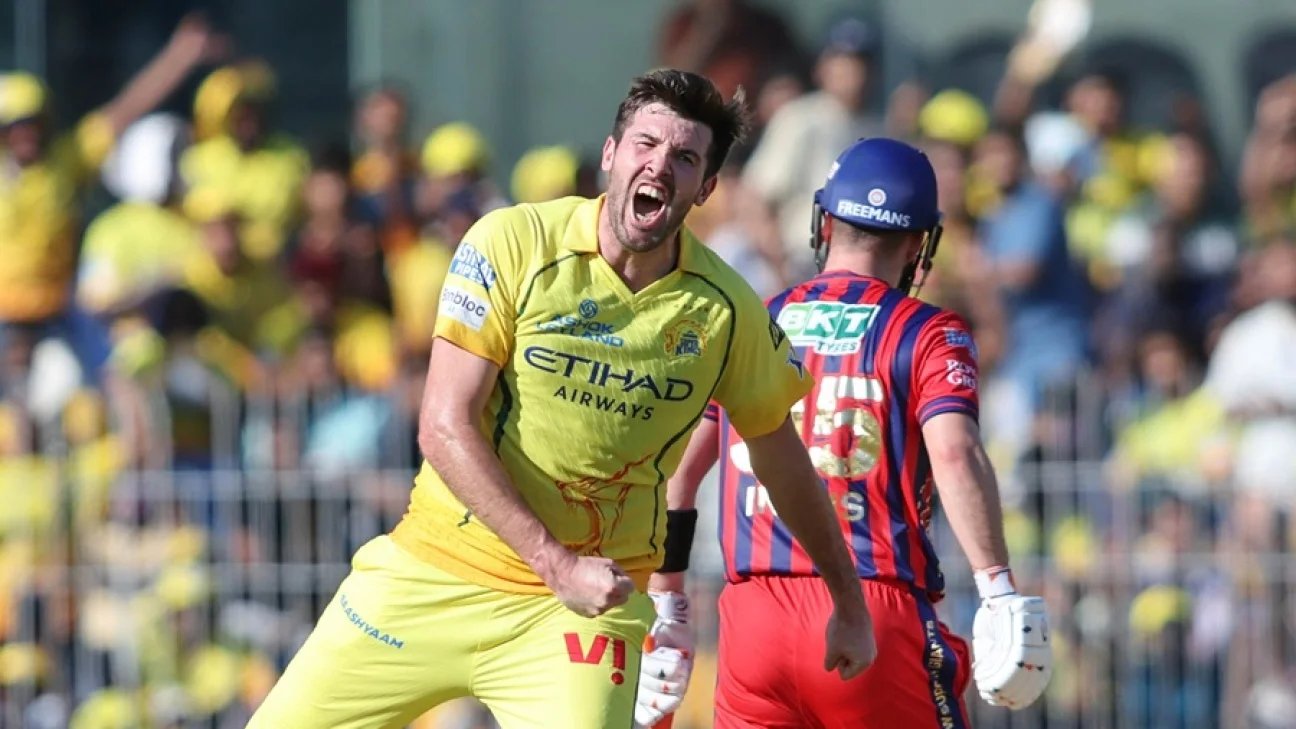
Chennai Super Kings 208 for 5 (Urvil 65, Gaikwad 42, Shahbaz 2-30, Rathi 2-245) beat Lucknow Super Giants 203 for 8 (Inglis 85, Shahbaz 43, Overton 3-36, Kamboj 2-47) by five wickets
Urvil got there in 13 balls. When he walked into the middle, CSK’s chances of winning were 38.13%. When he walked out, to a standing ovation from the crowd and his coaching staff, CSK’s chances of winning were 93.02%. He single-handedly changed the game and powered CSK to fifth spot.
Inglis impact
According to ESPNcricinfo’s ball-by-ball data, nobody has tried more ramps (four) inside the powerplay. Even when he missed one, he created scoring opportunities. Because Anshul Kamboj, having seen what he wanted to do, went fuller instead of camping on a good length area and got smacked through the covers. Inglis’ ease in accessing the ‘V’ behind the wicket opened up easier scoring shots in front of it. He was 77 off 25 after six overs. Only Suresh Raina (87 vs PBKS in 2014), Travis Head (84 vs DC in 2024) and Jake Fraser-McGurk (78 vs MI in 2024) have scored more inside the field restrictions.
Noor and Overton pull it back
Urvil goes 6, 6, 6, 6, 6, 4
There is a sign of respect that a bowler gives a batter in T20 cricket. Bowling wides. Hiding the ball away from his hitting arc because he keeps walloping everything. Andre Russell has experienced this. Kieron Pollard has experienced this. And for one glorious moment, Urvil experienced this when Digvesh Rathi speared a ball practically down into the next pitch in the sixth over. This was because Urvil had sent the previous four balls he had faced out of the ground.
Urvil came into the game with a balls-per-boundary ratio of 2 in the IPL but his longest innings was 19 balls. He will likely persist with this method, trying to whack everything for six, because India have won a T20 world title with batters playing the exact same way. Also, LSG didn’t really give him a reason to take a backward step. They kept bowling the ball to which he could clear his front leg and swing to midwicket. Seven of his eight sixes went there. He was barely 10 minutes into his innings when had a chance to hit six sixes back to back. Three off Avesh Khan. Two of Rathi. When the sixth ball that he carved over point bounced in front of the boundary, he threw his head back in utter disappointment. At 41 off 8, Urvil had the chance to break the IPL’s record for the fastest fifty. But he ended up scoring just nine off the next five balls and had to settle for sharing the title with Yashasvi Jaiwal. When he finally fell for 65 off 23, CSK needed 78 runs in 64 balls.
LSG make it tense
LSG were finally able to play normal T20 cricket again and they did it quite well. The 41 balls after Urvil’s wicket yielded just 43 runs and three wickets. Ruturaj Gaikwad was unable to anchor the chase as he had hoped but he showed good form on a beautiful pitch, for which the ground staff deserve credit considering the way rain had messed up their preparations in the lead-up. The CSK captain recorded his highest first-10 balls score in the IPL – 24. Dewald Brevis fell for 10 off 12, bringing his season tally to 74 at a strike rate of 114. Kartik Sharma, who had grown into his role, also buckled under the pressure LSG were putting on, leaving Shivam Dube and impact player Prashant Veer with 35 to get off the last 23 balls.
Veer could’ve been dismissed twice off two balls in the 19th over off Avesh but Rathi and Pooran dropped straightforward chances. Veer capitalised by hitting a six to bring the equation down to 10 off the last over. LSG went to Aiden Markram, figuring an offspinner turning the ball away from the two left-hand batters in the middle might work. It didn’t. Dube, on 3 off 5, hit back-to-back sixes to finish the game
Alagappan Muthu is a senior sub-editor at ESPNcricinfo