dailynewsnblog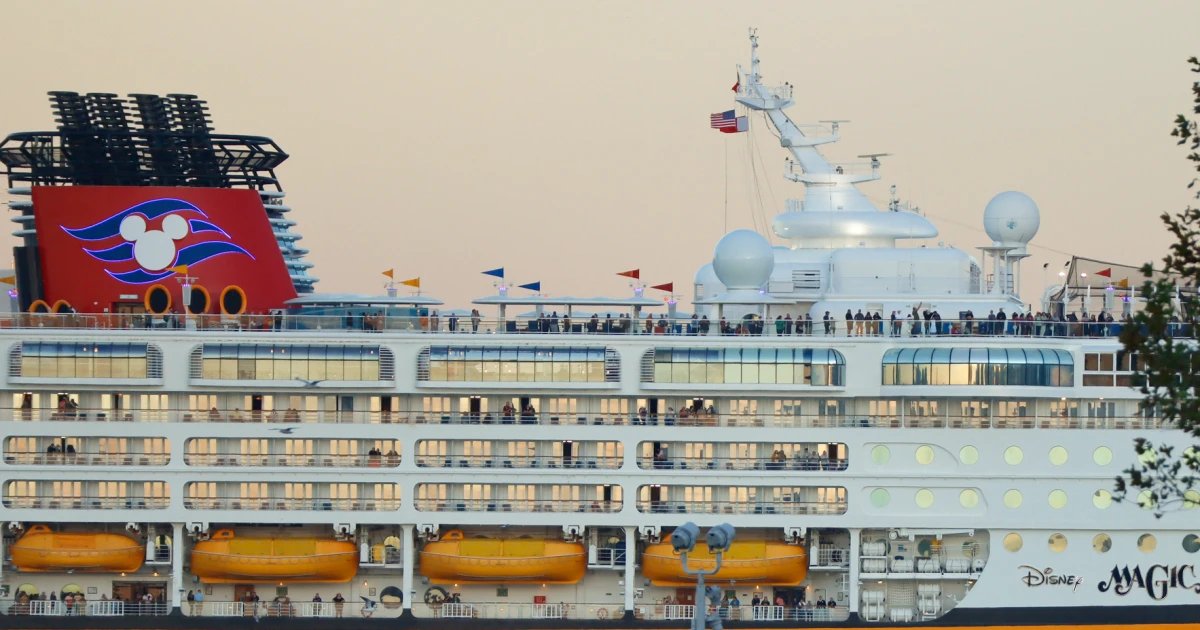
SAN DIEGO — Twenty-seven cruise ship workers, including some from the Disney Cruise Line, were deported after having engaged with child pornography, U.S. Customs and Border Protection said.
Subscribe to read this story ad-free
Get unlimited access to ad-free articles and exclusive content.

The discovery was made last month, after CBP officers boarded eight cruise ships from April 23 to 27 as part of an ongoing child sexual exploitation material investigation, or CSEM, a CBP spokesperson said in a statement Monday.
The spokesperson said the agency determined 27 of the 28 crewmembers interviewed “were involved in either the receipt, possession, transportation, distribution, or viewing of CSEM or child pornography” and that their visas were canceled and they were deported to their home countries.
Twenty-six of the crewmembers are from the Philippines, one is from Portugal and another is from Indonesia, the spokesperson said. The agency said it would not release their names.
CBP did not indicate whether the crewmembers might be tried in U.S. courts. An FBI spokesperson referred questions about the possibility of prosecution to CBP.
CBP did not immediately respond to questions about what prompted the operation.
In a statement, a Disney Cruise Line spokesperson said that the company fully cooperated with law enforcement and that it has a “zero-tolerance policy for this type of behavior.”
“While the majority of these individuals were not from our cruise line, those who were are no longer with the company,” the spokesperson said.
A Holland America spokesperson confirmed in a statement that some of its crewmembers were involved. Echoing a similar zero-tolerance policy, the spokesperson called the allegations “deeply disturbing” and said that Holland America is cooperating with CBP and that the crewmembers involved have been “terminated.”
NBC San Diego reported at least one of the CBP enforcement actions last month happened on the Disney cruise ship Magic as it was docked at B-Street Pier on the San Diego Bay harbor.
The Port of San Diego’s Harbor Police said the agency was not involved in the operation because it is prohibited by state law from participating in immigration enforcement and because the terminal is a federal port of entry under CBP’s jurisdiction.
Joe Kottke reported from New York and Dennis Romero from San Diego.