dailynewsnblog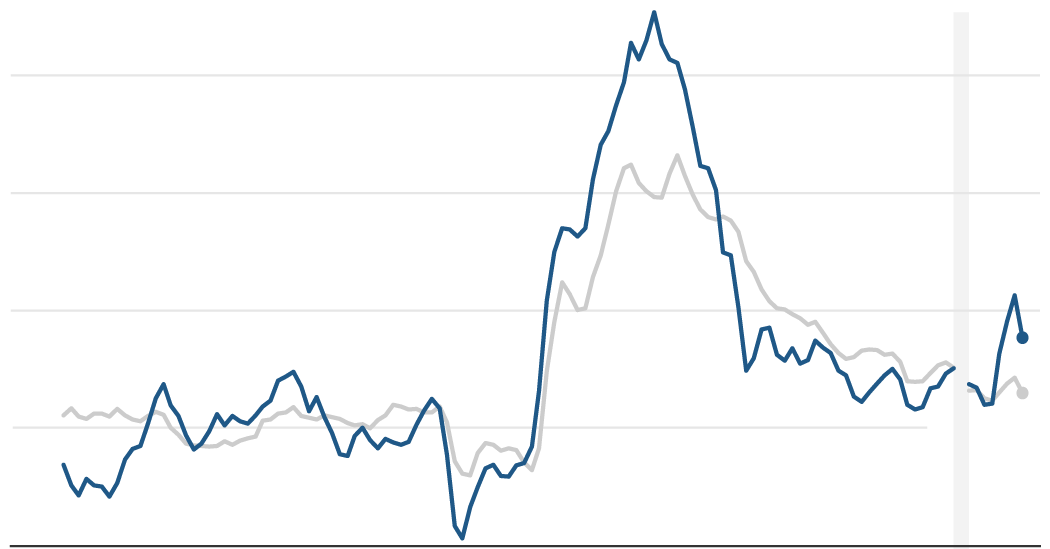
American consumers got some relief in June after months of soaring prices. But the resurgence of the war with Iran means that progress could be short-lived.
Overall consumer prices were up 3.5 percent in June from a year earlier, the Bureau of Labor Statistics said on Tuesday. That represented a cool-down from May, when annual inflation hit 4.2 percent, a three-year high. Prices actually fell 0.4 percent from May to June, the largest outright decline since 2020.
The improving inflation picture was largely the result of tumbling oil prices. But the so-called “core” inflation measure, which strips out the volatile food and energy categories to give a better sense of the underlying trend, also showed improvement. Core prices were up 2.6 percent from a year earlier, down from a 2.9 percent annual gain in May. On a monthly basis, core prices were flat.
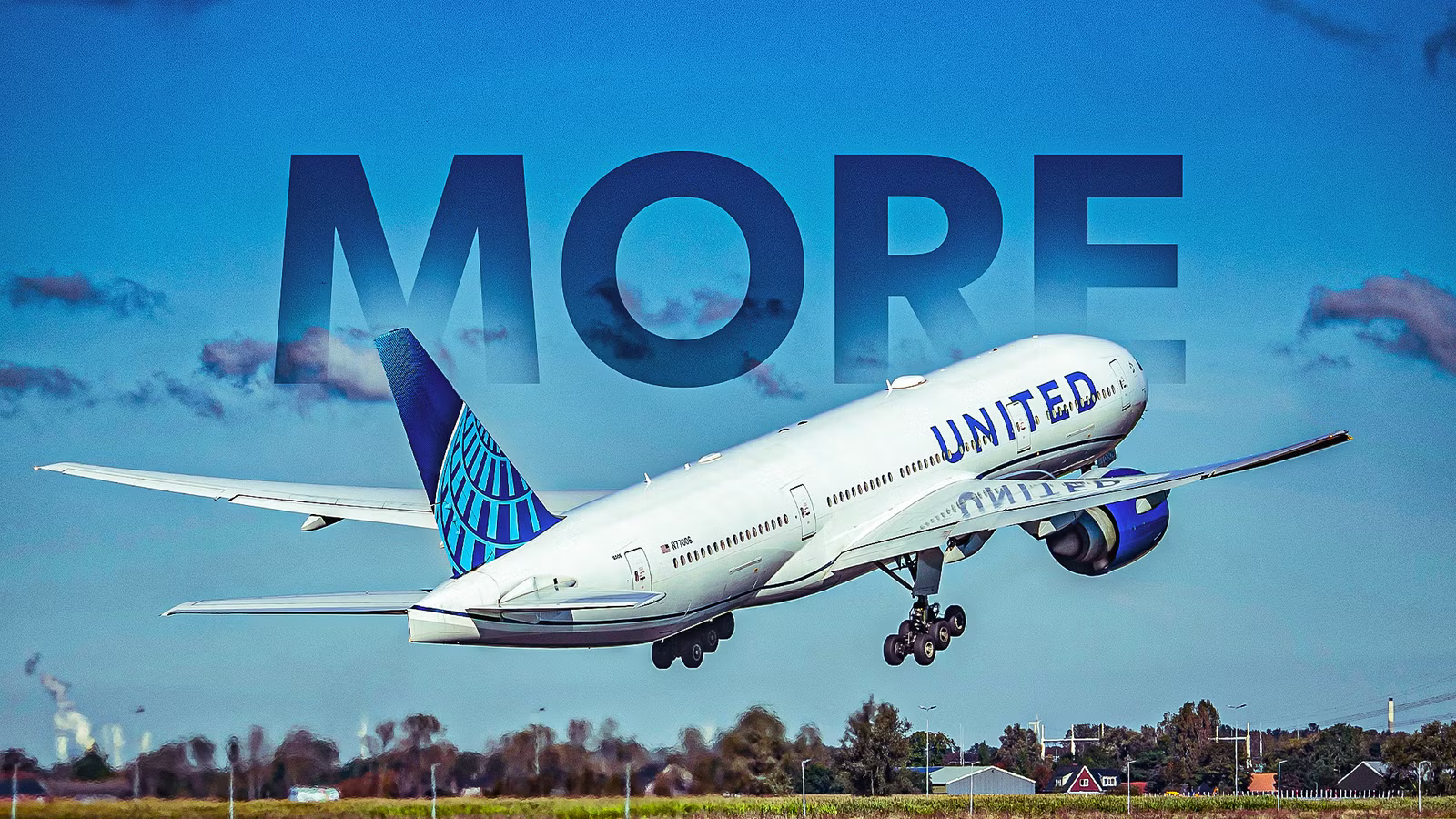
The data was a welcome sign that the spring surge in inflation — which followed the U.S.-Israeli attack on Iran and the subsequent near-complete closure of the Strait of Hormuz — subsided last month along with oil prices. Retail gasoline prices, which toped $4.50 a gallon nationally in May, have fallen back below $4 in recent weeks, and inflation has also eased in other energy-intensive categories, such as airfares.
But oil prices have shot back up in recent days as the cease-fire with Iran has ended. That could once again ripple through the U.S. economy.
The longer-run question is what will happen to prices beyond the pump. On that, the June data offered some encouraging signs. Grocery prices rose a relatively modest 0.2 percent in June, and shelter inflation — the largest category in the Consumer Price Index — continued to cool.
Officials at the Federal Reserve are watching the core figure and other measures of underlying inflation for signs that the effects of the war are spilling over into a broader array of prices. There has been little sign of that happening so far. But policymakers are wary of complacency after five years of inflation being too high for their liking.
The war with Iran is not the only source of price pressures concerning the Fed. Price gains tied to the boom in artificial intelligence has also stoked inflation in recent months. Inflation across the services sector, such as transportation and personal care, has stayed sticky, too. And research from economists at the New York Fed last week suggested that the tariffs President Trump imposed last year are still filtering their way into consumer prices.
Fed officials gather at the end of the month for their next policy meeting, where they will discuss the merits of raising interest rates to bring inflation back under control. Christopher J. Waller, a Fed governor, said in a speech Monday that the central bank might soon have to raise interest rates if inflation data comes in higher than expected.
Instead, the June data was better than most forecasters predicted, taking pressure off the Fed to raise rates at its next meeting. Still, it will take several more months of encouraging inflation numbers to convince policymakers that the threat has passed.
Minutes from June’s meeting recently indicated broad support for higher rates in the event that inflation does not decelerate and the labor market remains stable. If inflation soon retreated, almost all of the officials said it would probably justify the Fed holding rates steady or eventually lowering them, the minutes added.
The debate at the Fed has been further fueled by the pledge from the new chairman, Kevin M. Warsh, that the central bank would “deliver price stability.” Mr. Warsh took over in May and, in keeping with his opposition to sending explicit signals to financial markets, has declined to indicate whether he would support a rate increase as soon as July’s meeting to make good on that commitment.
At 10 a.m. on Tuesday, Mr. Warsh is set to face questions from members of the House Financial Services Committee about his outlook. He will also be asked about five task forces he recently created that bring in external advisers to look into a range of issues, from inflation to productivity. Mr. Warsh is scheduled to testify on Wednesday in front of the Senate Banking Committee.