dailynewsnblog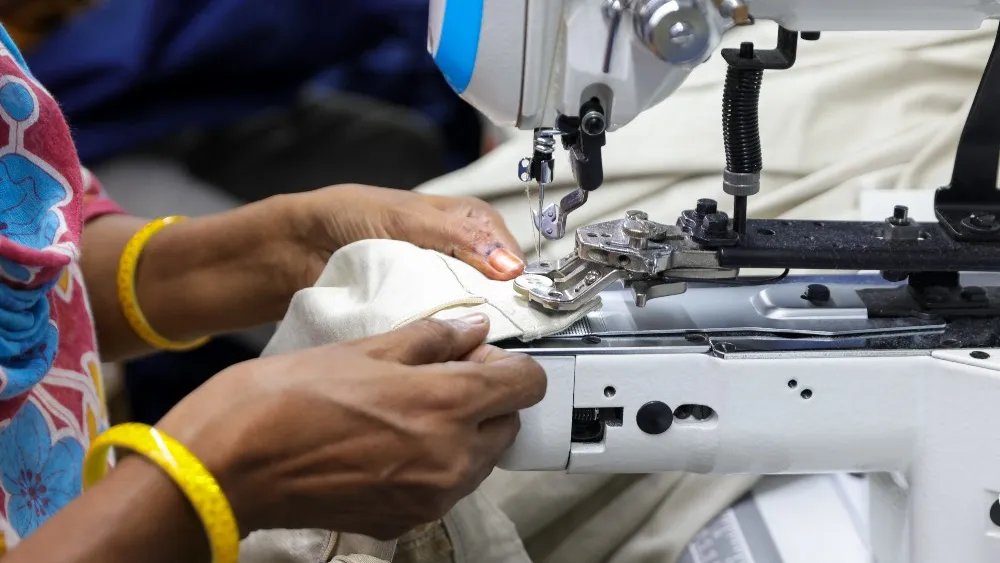
In a bid to stave off new tariffs and clear a pathway to the finish line on a long-awaited trade deal with the United States, India has introduced new legislation formally banning goods made with forced labor.
The country’s Ministry of Commerce and Industry released a notification this week saying that it had empowered the central government “to prohibit, by notification, the import of goods produced or manufactured, wholly or in part, through the use of forced labour.”
The announcement comes days after hearings took place in Washington, D.C. regarding the Office of the U.S. Trade Representative’s investigations into 60 global economies under Section 301 of the Trade Act of 1974. The USTR proposed new double-digit duties on imports from India and 53 other nations that it said failed to impose or enforce bans on imports produced with forced labor.
Those illicit imports, the U.S. government has said, have made their way into the U.S. market and have undermined American producers that are compliant with stringent labor standards, putting them at a disadvantage to nations that don’t enforce similar penalties.
India was among textile and apparel sourcing locales including Bangladesh, Cambodia, China, Guatemala, India, Indonesia, Mexico, Pakistan, Sri Lanka, Thailand, Turkey and Vietnam that were targeted in the USTR probe.
Now, India faces 12.5 percent tariffs for neglecting to put in place comprehensive legislative guardrails against the trade of goods made with forced labor. It is hoping to rectify the situation before it’s hit with new duties, but perhaps more importantly, so that it can see its hard-fought interim trade agreement with the U.S. completed after months of negotiations.
India isn’t throwing around concessions liberally, however. Indian Commerce Secretary Rajesh Agrawal and Commerce Minister Piyush Goyal, both of whom have been intimately involved in the marathon talks, have each said that India only plans to sign a deal if it can establish a competitive advantage over its competitors in the region when it comes to duties.
While the Section 301 investigations regarding forced labor have wrapped and the USTR has submitted its proposal to address violators with new tariffs, the federal government’s trade arm has not yet released the findings from another set of probes related to structural excess capacity.
Also initiated in March, the investigations into 16 global economies allege that these countries and trade blocs have manufacturing capacity that exceeds demand, both domestically and globally. Those capabilities, USTR alleged, come from non-market interventions like government subsidies. India is among the subjects of the inquiry, along with China, the European Union, South Korea, Taiwan, Indonesia, Malaysia, Cambodia, Thailand, Vietnam, Singapore, Bangladesh, Switzerland, Norway and Mexico.
The USTR’s findings in this tranche of investigations have not yet been released, but it is likely that findings of wrongdoing will come with the threat of new tariffs. Should India finally shake on a new trade framework with the U.S., however, it could—and certainly hopes—to see duty exemptions.