dailynewsnblog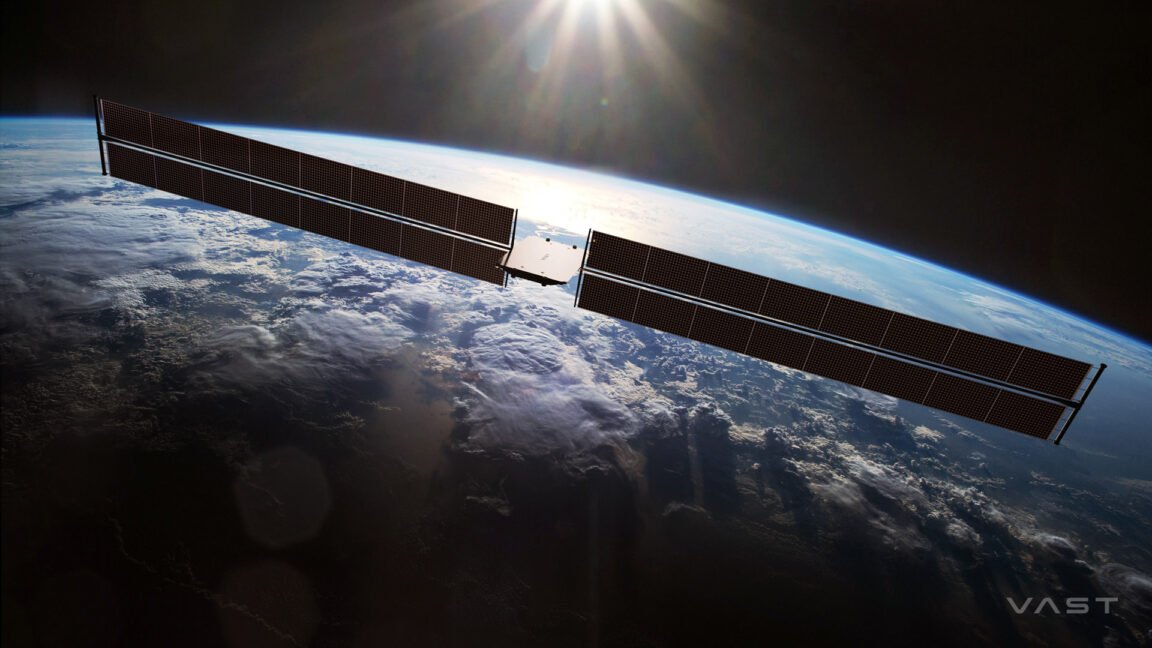
With this new product line, Vast is entering an increasingly crowded market. Historically, in the United States, a handful of large companies such as Boeing, Lockheed Martin, Northrop Grumman, Maxar, and Sierra Space have manufactured medium and large satellites. Typically these were costly and often bespoke designs that cost tens to often hundreds of millions of dollars.
But a few trends have changed the landscape in recent years. The US government’s Space Development Agency has signaled that it prefers proliferated constellations—many satellites spread out present less of a concentrated target than a few larger and more expensive satellites. With the Falcon 9 rocket’s increased cadence, as well as rideshare missions, it became easier and sometimes cheaper to get smaller and medium-size satellites into orbit.
This has led to an influx of venture capital to back a new generation of companies seeking to build less expensive, more modular satellites that could fill a variety of purposes. There are several prominent, relatively new entrants in this area including K2 Space, Rocket Lab, True Anomaly, Blue Canyon, and Millennium Space Systems.
Vast already has… vast facilities
Haot said most of these companies are still emerging, with products that are not yet mature. In other words, he believes that if Vast Space can execute, it could become a market leader, especially with applications that are power-hungry. Vast has already invested $1 billion in facilities for spacecraft manufacturing, including clean rooms, which can be used for space stations as well as satellites, he said.
The number of satellites in space has exploded in recent years, largely due to the rapid expansion of SpaceX’s Starlink constellation. For decades the total number of satellites orbiting Earth numbered about 4,000, but in the last five years that number has grown to about 14,000.
This is just the beginning. By some estimates, in another decade, there will be approximately 500,000 satellites in orbit for the purpose of communications, Earth observation, orbital data centers, and other applications.
Haot expects that about 90 percent of these will be satellites built by SpaceX, Amazon, Blue Origin, or other major players. But even 10 percent of that number, if available to commercial satellite bus manufacturers, would represent 50,000 satellites for Vast and other companies to compete for.