dailynewsnblog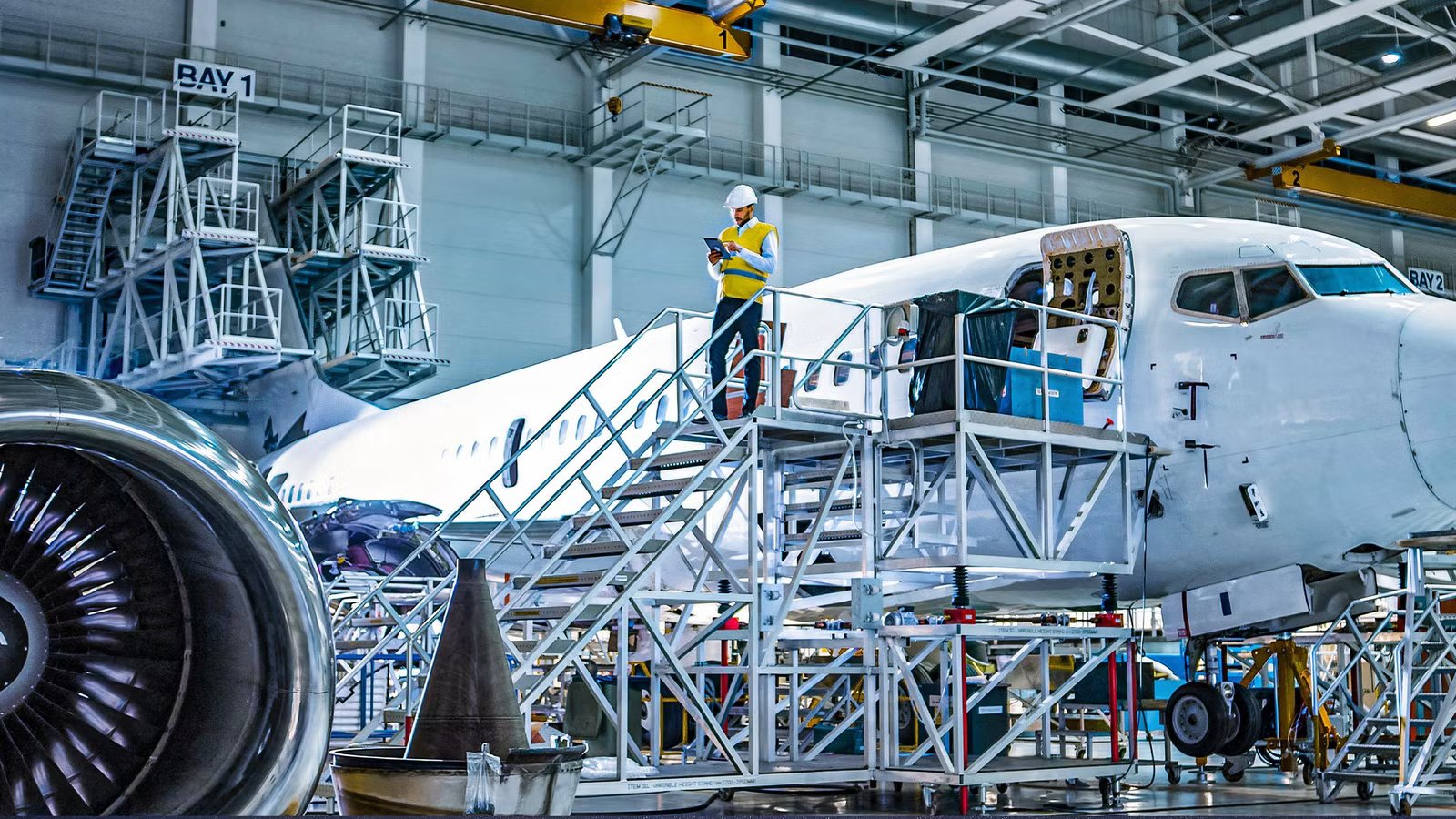
Commercial aviation has built its safety record on discipline—not luck. Every flight that leaves the gate depends on thousands of technical decisions, inspections, sign-offs, and verifications made long before a pilot advances the throttles. While passengers experience only the “visible” side of a journey, nearly everything that keeps an airplane airworthy happens behind the scenes, often in tight windows of one to two hours. These short maintenance bursts are where airlines catch small issues before they grow into the types of problems that have shaped aviation history.
A look at past accidents shows what happens when this discipline fails. From missed intervals to overlooked defects, breakdowns in operational rigor have triggered tragedies that reshaped maintenance philosophy and regulatory oversight. Today’s aircraft maintenance system exists precisely to prevent those gaps.
To understand how much work is done in just two hours helps to break down the layers of scheduled maintenance and the fast-paced world of line checks that make same-day turnarounds possible.
The Invisible Clock Of Airworthiness

At the heart of aviation safety is a simple concept: Airworthiness. An aircraft is considered airworthy when it is safe to fly and meets all regulatory requirements at that moment—not just when it leaves the factory, but every single day it operates.
To maintain that standard, airlines follow strict programs such as the Continuous Airworthiness Maintenance Program (CAMP), mandated by regulators like the Federal Aviation Administration(FAA). These programs define exactly when inspections must occur and what they must include.
Aircraft are subjected to extreme conditions—pressurization cycles, vibration, temperature changes, and structural loads that gradually wear down components. Without structured maintenance, these stresses would accumulate unnoticed. Instead, maintenance is broken into layers.
Line Checks: The Work Done Between Flights

The most critical maintenance often happens in the shortest timeframe. Line maintenance checks—also known as service check or maintenance pre-flight—take place right at the gate.
These are fast, efficient, and constant. Every 24 to 60 hours of flight time, technicians inspect key areas of the aircraft using minimal tools and a sharp eye. All in all, these checks include minor modifications and repairs.
Typical tasks include:
- Checking tires and brake wear
- Inspecting fluid levels like oil and hydraulics
- Looking for leaks, dents, or visible damage
- Verifying panels, antennas, and sensors
- Reviewing pilot-reported issues
This is also where coordination between pilots and maintenance teams matters most. Flight crews conduct their own external walk-around inspection, visually confirming the aircraft’s condition before departure. While the captain holds responsibility, the task can be delegated to the first officer. These checks may seem routine, but they are the first line of defense against larger problems.
Base Maintenance

If line maintenance keeps aircraft moving, base maintenance is where they are truly reset. Base maintenance checks are deep, methodical, and time-intensive. Unlike quick turnaround inspections on the ramp, these events take aircraft out of service for days or even weeks, depending on the scope of work and the airframe’s condition. This is where maintenance teams go beyond surface-level checks, into the core structure and systems of the aircraft.
Base maintenance covers the heavy work required to keep an aircraft airworthy over the long term. These tasks follow a structured schedule of major inspections—often labeled A, B, C, and D checks—with the D check being the most exhaustive. During this phase, the aircraft is opened up far beyond what routine maintenance requires. Panels come off, interior sections are exposed, and hidden structural areas are examined for issues that aren’t detectable from the outside. Because of the depth of this process, the aircraft can remain out of operation for several weeks, but it’s a necessary investment to stay compliant with regulations and to catch the gradual wear that accumulates throughout its service life.
Another key part of base maintenance is the extensive planning that goes into it. Large teams of specialists must be organized, equipment and tooling have to be secured, and every step must be documented in detail to meet strict standards. Unlike the quick turnaround pace of line maintenance, these heavy checks rely on carefully constructed schedules and coordinated workflows to ensure everything is completed safely and correctly.
Understanding A, B, C, and D Checks In Aircraft Maintenance

Aircraft maintenance is built on a structured system of inspections designed to catch issues early and ensure long-term safety. As covered in our previous article, these are commonly grouped into four levels: A, B, C, and D checks. Each one varies in depth, frequency, and downtime, creating a layered approach that keeps aircraft both operational and airworthy.

The Different Types Of Aircraft Maintenance Checks
They are required to ensure aircraft airworthiness.
The table below provides a clear snapshot of how aircraft maintenance is structured across A, B, C, and D checks. Each level represents a step-up in both depth and complexity, from routine inspections performed frequently to extensive overhauls that take aircraft out of service for weeks. While A and B checks focus on maintaining day-to-day reliability, C and D checks are designed to uncover deeper structural or system issues. Together, these intervals form a layered maintenance strategy that balances operational efficiency with long-term safety, ensuring that every aircraft remains compliant, reliable, and ready for continued service.
|
Type |
Frequency |
Duration |
Key Tasks |
|
A |
400–600 flight hours or 200–300 flights |
6–24 hours (usually overnight) |
|
|
B |
Every 6–8 months |
1–3 days |
|
|
C |
Heavy maintenance cycle |
Up to 2 weeks; thousands of labor hours |
|
|
D |
Every 6–10 years |
4–6 weeks; up to 50,000 labor hours |
|
Aircraft Can Legally Fly With Faults
.JPG?q=49&fit=crop&w=360&dpr=2)
Airlines don’t always need every single component on an aircraft to work to dispatch safely, thanks to the industry’s built-in redundancy. When something breaks and can’t be repaired before departure, pilots and engineers consult the Minimum Equipment List (MEL), a document derived from the manufacturer’s Master MEL but tailored and approved by each operator’s aviation authority. The MEL outlines which items may be deferred, how long they can remain inoperative, and the maintenance or operational steps required. By following these strict procedures and limitations, airlines can continue flying while still maintaining full regulatory compliance and safety.
For instance—and while this scenario is highly unlikely—an airliner can technically depart with certain pressurization-related issues, provided the Minimum Equipment List (MEL) procedures are followed. In such an extreme case, the MEL may allow the system to be inoperative only if the aircraft remains at or below 10,000 feet MSL for the entire flight.
Similarly, other system failures often come with additional dispatch limitations. These can include performance penalties, altitude restrictions, or other operational adjustments that must be factored into the pre-flight planning before the aircraft can legally and safely depart.
What Pilots Do During a Pre-Flight External Check

Before an aircraft ever leaves the gate, the flight crew also performs a pre-flight external check. While maintenance technicians handle scheduled inspections and the regulatory work tied to airworthiness, the flight crew’s walk-around serves a different purpose: a real-time, visual confirmation that the aircraft is fit to fly. And this isn’t unique to airliners. Whether the airplane burns avgas or jet fuel, a thorough inspection is required before every flight.
Because time on the ramp is tight, crews often begin their inspection as soon as they reach the aircraft, coordinating later with the flight deck to reconcile anything noted in the tech log. The check itself follows operator-approved procedures, but the principle is universal: know the aircraft well enough that anything abnormal stands out immediately. That includes understanding how probes, static ports, brake wear indicators, and control surfaces should look under normal conditions.
The inspection also extends to broader operational risks. Clear-ice checks may be required even when ground temperatures are above freezing. If de-icing or anti-icing is needed, the crew—not ground personnel—makes the final call.
For some operators, the captain can formally delegate the external inspection to the first officer. That flexibility keeps the workflow efficient, but it’s also the source of an old cockpit joke: on days when the ramp is soaked with rain or baking in extreme heat, it somehow always becomes the first officer’s turn to do the walk-around.