dailynewsnblog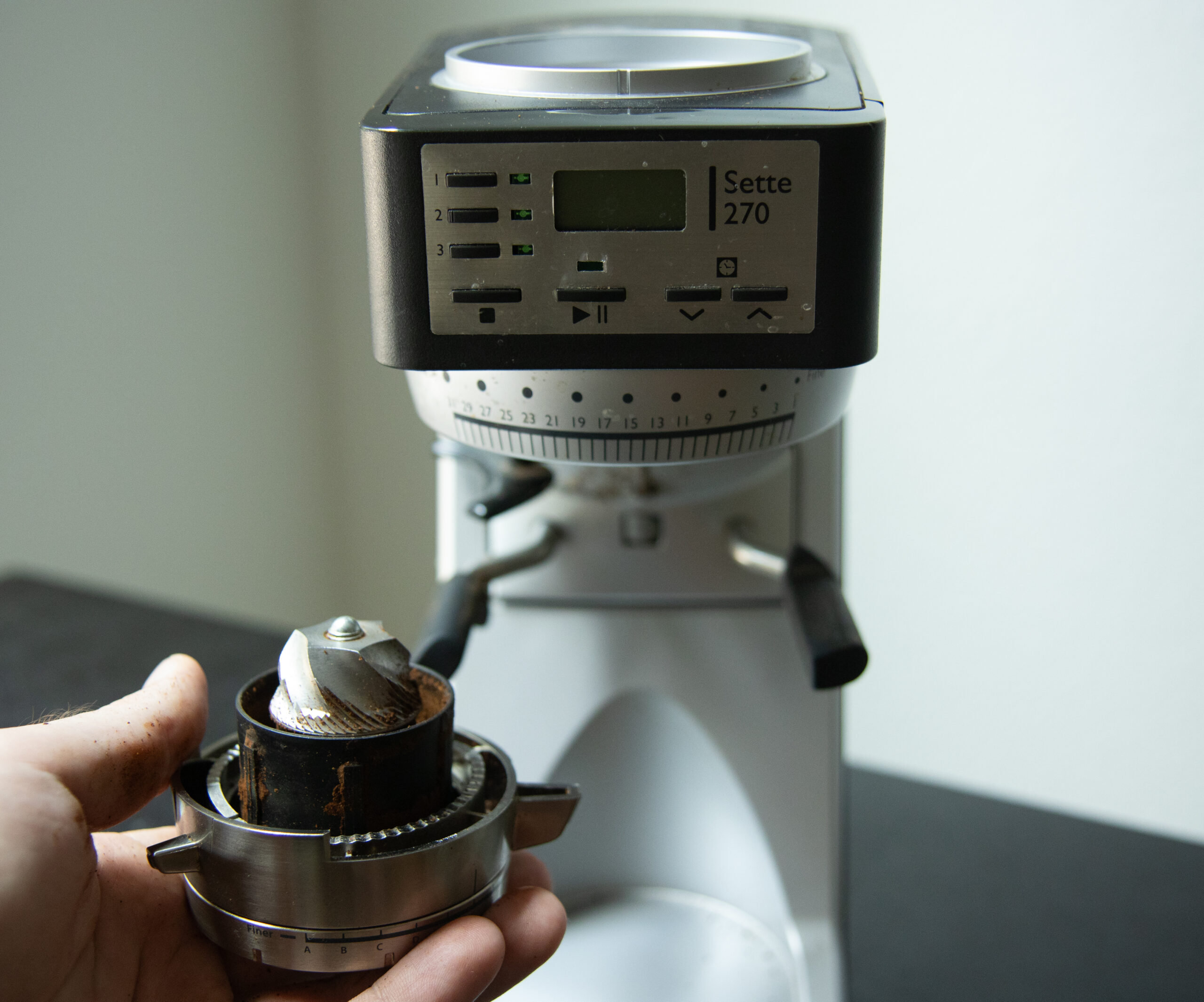
I have a confession to make: I’m a former espresso perfectionist. For years, I kept notes on grinder settings for specific coffee roasts and origins, undoubtedly a holdover from my STEM studies. I was the first to say that my mill was just as — if not more — important than the coffee machine itself. I brewed using a compact Breville Bambino, accompanied by a stand-alone Baratza Sette grinder, which I had paid nearly as much for as the machine itself.
Then, I upgraded to the Breville Oracle Jet, which comes with a built-in Baratza grinder. Convenience pulled me in, but I felt apprehensive about the grinder. What if I couldn’t properly dial in different coffees? Was I confining myself to persistently bitter or acidic espresso? And perhaps most importantly, would I miss the ritual of microadjusting grind size?
After several months of use, those fears eased. Yes, some coffees never fully click into place — not with the kind of dialing-in precision my Sette could achieve. Although in the bleary hours of the morning, I don’t miss meticulous fine-tuning. Perfection isn’t everything. So if I were shopping for my first espresso-making setup today, the grinder verdict wouldn’t be so straightforward.
Coffee grinder analysis paralysis
 Tyler Lizenby/CNET
Coffee gear presents choice overload — grinders come as no exception. It’s hard to settle on a model that’ll perform without breaking the bank. You’ll certainly want to upgrade from a blade grinder — which chops beans too crudely — to a burr design. Frustratingly, even grinders of this style don’t fit the bill. Popular machines like the Baratza Encore and Oxo Brew can produce espresso grinds in a pinch, but their settings are really tailored for pour-over and drip brewing. Built-in or stand-alone, you’ll want an appliance designed for espresso, one that delivers properly extracted shots.
So either way, you’re shopping for a combo — a factor that makes a built-in setup appealing. Purchase a snazzy all-in-one machine, and you can brew espresso out of the box, avoiding the need to overthink two pricey purchases. Not to mention a built-in grinder is conveniently calibrated to the machine, making setup a breeze.
A freestanding mill does offer its own set of perks, though. A high-quality grinder will work with you across a range of setups. Whether you want to try a $140 espresso machine or go for a top-of-the-line setup, a stand-alone grinder standardizes the grinding process. If you’re a coffee gear collector like me, a dedicated model is nifty for trialing a new manual espresso machine or a portable espresso maker.
The day-to-day
A built-in grinder lets you get right to caffeinating

Amid groggy mornings, I seldom care to tinker with grinder settings. My Breville Oracle Jet’s built-in mill casts technicalities aside. I pour a new bag of beans into the hopper, pull a shot, then assess extraction time. Does syrupy espresso drip out at approximately the 30-second mark? If so, we’re good. If not, a grinding increment or two takes care of the issue. Just like that, I can divert my morning coffee-making energy toward perfecting my (still often ugly) latte art.
Integration comes with benefits. My Oracle Jet guides grind adjustments and auto tamps, automating several coffee-making steps. When it comes to espresso-making, I’m a creature of habit, sticking exclusively to medium-dark roast. As a result, I’m never worried about choking the machine or pulling an acrid shot.
As a major caveat, not all built-in grinders are equal. You’ll want a model with several dozen settings, or else dialing in even classic espresso roasts will prove impossible. And even with a high-quality setup, built-in grinders do have some limitations. As is, dialing in a light roast coffee isn’t easy. My built-in grinder complicates the process — loudly popping and occasionally clogging when pulverizing denser beans. An integrated grinder blends right into the day-to-day, but you have to play to its strengths.
A stand-alone grinder is for the aficionado
 Nikita Ephanov/CNET
A stand-alone grinder boosted my barista confidence. The configuration naturally embedded me into the coffee-making process, forcing me to think about the details. A stand-alone grinder is all about microadjustments. My Baratza Sette offers 270 grind increments, compared to 45 on my Breville Oracle Jet. Such granular control accommodates the full spectrum of coffee. A diligent twist of the adjustment wheel places a light roast’s fruit flavors into focus. Swivel to a coarser setting, and a dark roast extracts a syrupy, thick brew. If you often change up coffee styles, you’ll need a stand-alone grinder to keep up.
Back in my exploratory espresso-making days, the appliance made comprehensive sampling easier. A stand-alone grinder makes it easy to rotate through beans — I can dose a shot at a time right into my portafilter, all while seeing what’s left in the hopper. There’s a nifty grinding timer, too, which eliminates the need for a scale once you’ve dialed in.
Take note, though: Fine-tuning takes work. Every new bag meant iterating multiple grind sizes, pulling shot after shot to nail extraction. The multitude of increments can be overwhelming. I’d often find myself trialing half a bag at slightly different settings — all in pursuit of the perfect espresso. When I’m in a coffee-hobbyist mood, such tinkering is fun. Amid busy day-to-day hum? I’d often opt for the same beans, all to avoid grinder technicalities.
What does grinder maintenance look like?

No matter the setup, maintenance is essential. With both appliance types, I properly clean my grinder every few weeks, removing accumulated ground and coffee oils. Cleaning tablets simplify the process — the capsules pulverize like coffee beans, absorbing build-up without disassembly. Periodically, it’s necessary to take each machine apart and use a brush to physically dust off debris. Like kitchen knives, steel or ceramic burrs dull over time and eventually require replacement, too.
With my Baratza Sette, cleaning posed no hassle. Removing the interior burr took only seconds, making routine brushing easy. After removing the hopper, the outer burr became accessible, exposing the entire interior chamber. Every once in a while, I’d even take out the gearbox for more intensive brushing, thoroughly dusting the crevices. Once the interior burr eventually dulled, all I needed was a hex wrench and backup burrs, which are readily available online. Overall, maintaining the Baratza Sette proved intuitive — I’m seldom worried about damaging my stand-alone grinder amid upkeep.
Entry-level cleaning of my Breville Oracle Jet grinder is similarly straightforward. An attached handle makes it easy to pop out the interior burr, enabling a quick brush or vacuum of grinder parts. Accessing deeper into the machine entails more effort, though. While it’s possible to remove screws on the grinder socket, the finicky washers make disassembly stressful. Since I can’t clean the built-in Baratza chamber top to bottom, it’s impossible to access debris lodged deep in the machine. Finding a replacement burr is doable but trickier.
Since my built-in grinder is part of an interconnected system, I worry about long-term serviceability. Combined with the hard-to-reach crevices during cleaning, that makes me nervous regarding long-term issues with a built-in grinder. If a component fails, I’ll need to service the entire espresso maker, which would put my coffee-making setup out of commission.
The Verdict

The Opus is an all-in-one grinder that costs under $200.
Patrick Holland/CNET
An all-in-one machine is neat, intuitive and streamlined: no extra cords, minimal spilled coffee grounds, easy calibration. Frustratingly limited on counter space? A built-in grinder setup is the move. No one wants to start their morning by setting up appliances out of the cabinet, especially before a coffee. If you’re like me and don’t often change roast profiles, reliability is a convenience rather than a constraint. Ensure your built-in grinder offers enough grind settings, and you can settle into an undemanding espresso-making routine.
Want to squeeze every last drop out of your coffee-making setup? A stand-alone grinder is for you. The appliance enables grinding with many espresso-making setups, all while letting you sample a broader array of beans. Detached from the coffee machine, the grinder will support setup revamps and gadget experiments. For the day-to-day, more work is involved — especially when you pour new beans into the hopper. But if you’re pursuing espresso-making as a hobby, a stand-alone grinder gives you more to play with.



![British Airways Launches 1st-Ever Flights From Heathrow To This Destination [Map]](https://dailynewsnblog.com/wp-content/uploads/2026/07/british-airways-airbus-a320ceo-short-final-mock-up.jpg)