dailynewsnblog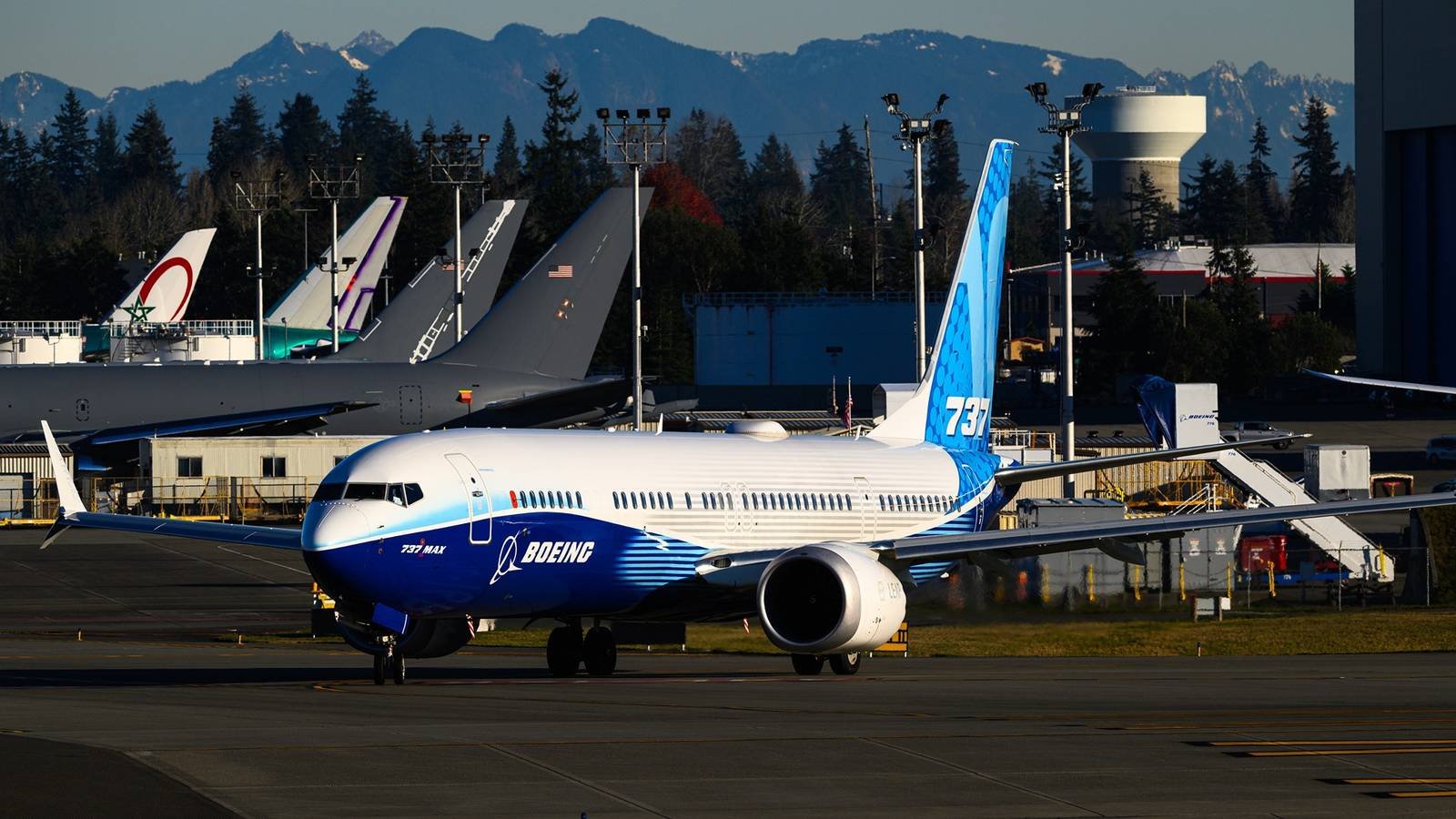
American plane manufacturer  Boeing has celebrated the opening of a new assembly line at its Everett plant July 6. This will become the second manufacturing site for the Boeing 737 MAX family of planes, and supports Boeing’s long-term plan to dedicate the Everett line for the MAX 10, once the plane receives its certification, hopefully by the end of this year.
The line will be known as the ‘North Line’, and as outlined by Reuters, will initially support the final assembly of the MAX 8 and MAX 9, before being dedicated to the MAX 10. This new line will support the other three existing 737 lines already operating at the Renton factory. This means the new Everett line will be the second facility for the type at Boeing.
Increasing 737 MAX Production To 52 Deliveries Per Month

With the opening of the new assembly line, this will support Boeing’s recent Federal Aviation Administration (FAA) authorization to increase production to up to 47 aircraft per month by 2027, while slowly building up to 52 monthly deliveries in the future. The additional output allowance for Boeing is welcome news, as the manufacturer rebounds from certification delays, financial losses, and production disruptions.
Opening the additional line will see a significant change for Boeing’s strategy, which has long dedicated its Renton site as the hub of 737 production. With the opening of its Everett ‘North Line’, it will now be assembling the popular 737 MAX family of aircraft at two sites in Washington State, somewhat resembling Airbus, which has final assembly lines at various locations, albeit internationally.
Aircraft Type | Final Assembly Line Locations |
|---|---|
Boeing 737 MAX |
|
Airbus A320neo |
|
The first 737 MAX was loaded onto Boeing’s North Line on July 6, and will be the first time that a 737 will be assembled outside of the Renton plant, and further cements Boeing’s plan to increase output of the popular selling family of planes.
A Replica Of The Three Existing 737 Assembly Lines

Boeing Chief Executive Kelly Ortberg commented that the new production line has been designed as a replica of the existing lines at Renton, and while the new North line will not be expected to contribute to higher output rates immediately, it will support the manufacturer’s overall goal to increase output over the next few years.
This development is central to support Boeing’s efforts to improve its financial position, with recent regulatory approval to increase production limits following imposed production limits that followed the Alaska Airlines MAX 9 door-plug failure. Boeing’s Everett site is easily recognized as the world’s largest building and historically has assembled widebody planes, including the 747, 777, 767, and 787.
As relocation of the majority of the 787 assembly has been moved to Charleston, South Carolina, this has opened up substantial capacity at Everett, which has led to the development of the North Line for 737 MAX assembly.
Boeing 737 MAX 10 To Be 1st Jet Built On New Everett Assembly Line Opening This Summer
The stakes appear to be high for the company’s recovery strategy.
Boeing 737 MAX Versus The Airbus A320

As already mentioned, the opening of the North Line will support Boeing’s output and thus make it a stronger competitor to the Airbus A320neo. Both planes are direct competitors in the narrow-body market, and while the MAX has greater overall payload capacity, the A320neo continues to push in terms of fuel efficiency and total aircraft sales.
For America, the MAX trails in efficiency, but overall is the winner in maximum range and takeoff payload. The MAX allows airlines to install broader 18-inch (46cm) seats, including larger passenger windows and the Sky Interior, which boasts improved onboard passenger experiences. While Airbus maintains its dominance in total orders and deliveries, the MAX 8 remains a highly popular aircraft with heavy commitments from major airlines (such as Southwest Airlines, the world’s largest operator of the 737).
With Boeing’s fourth assembly line now open for the MAX, this welcomes the available capacity left by past widebody aircraft programs, which will now enable Boeing to ease production constraints and support strategic expansion and model focus.