dailynewsnblog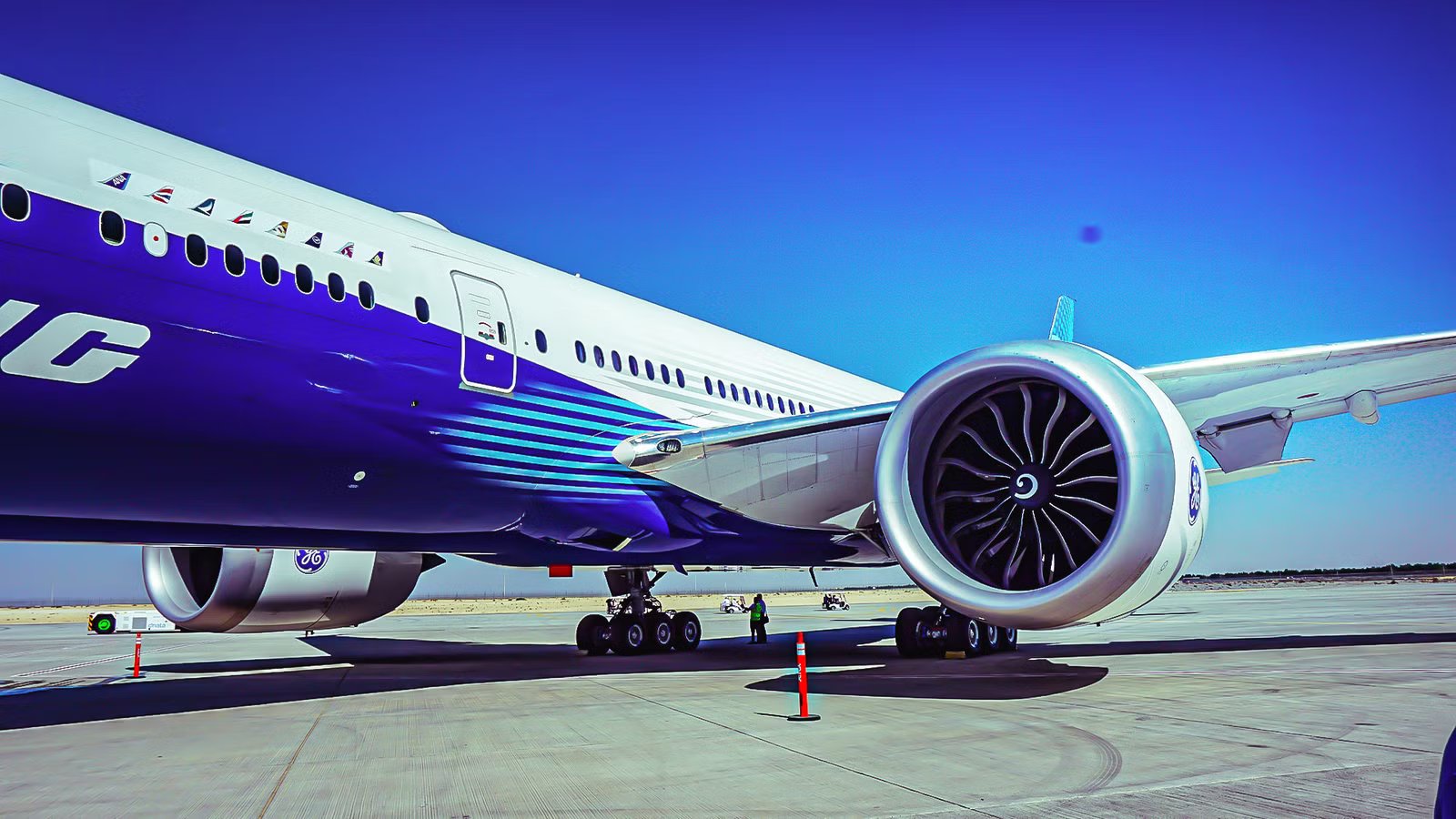
The future of the Boeing 777X may ultimately depend less on its folding wingtips or ultra-wide cabin and more on whether the GE9X engine can survive sustained operation at temperatures approaching 2,400°F (1,315 °C) without suffering premature wear.  Boeing’s flagship widebody is now expected to enter service in 2027 after another delay linked to a newly identified engine seal durability concern, while the overall program has accumulated more than $15 billion in charges. For airlines such as Lufthansa, Emirates, and Qatar Airways, the defining question is whether their engines will remain reliable on the wing once real-world operations begin. According to GE Aerospace’s official GE9X program page, the engine’s durability performance has become central to the aircraft’s timeline and commercial credibility.
That pressure exists because the commercial aviation industry has already spent much of the last decade dealing with durability crises affecting several next-generation engine programs. Airlines continue managing the operational consequences of issues involving the Rolls-Royce Trent 1000, the Trent XWB-97, and the Pratt & Whitney PW1000G geared turbofan family. As Leeham News reported in its durability analysis, airlines are now hyper-focused on “out of the gates” reliability because fuel burn advantages become irrelevant if engines require repeated removals or inspections shortly after entering service. Based on technical data from GE Aerospace and other industry reports, this analysis examines why the GE9X combustor fix may determine the future of Boeing’s long-delayed flagship aircraft.
The GE9X Was Built Around Extreme Temperatures And Efficiency Targets

The GE9X was never intended to be a simple derivative of earlier widebody engines. It was developed specifically for the 777X, and designed around aggressive fuel-efficiency goals that required operating at significantly higher temperatures and pressures than previous commercial turbofans. According to Engineering.com’s detailed breakdown of the engine, the GE9X generates 105,000 lb of thrust and uses a 27:1 pressure-ratio high-pressure compressor, making it one of the most thermally demanding commercial engines ever developed.
To make those temperatures manageable, GE Aerospace introduced extensive use of Ceramic Matrix Composite materials throughout the combustor and turbine sections. These CMC materials represent one of the most important technological shifts inside modern jet engines because they can tolerate substantially higher temperatures than traditional metal alloys while weighing far less. GE Aerospace states that CMCs can withstand temperatures up to 2,400°F (1,315 °C) and weigh roughly one-third as much as steel.
That thermal capability matters because hotter engines are generally more efficient engines. By reducing the amount of cooling air required inside the turbine and combustor sections, engineers can extract more usable energy from the combustion process itself. For airlines operating ultra-long-haul routes between the United States, Europe, the Gulf region, and Asia-Pacific markets, even relatively small efficiency gains can translate into millions of dollars in annual fuel savings.
But the engineering tradeoff is clear. As engines operate closer to thermal and pressure limits, durability margins become narrower. Earlier widebody engines, such as the GE90, were built with more conservative operating envelopes, giving engineers greater tolerance for uneven heating, material fatigue, or wear progression. The GE9X instead represents a new generation of engines designed to maximize efficiency first, placing extraordinary pressure on advanced materials and cooling systems to maintain long-term reliability.
TAPS III Combustor Technology Became Central To Both Efficiency And Risk

One of the least publicly discussed parts of the GE9X is its third-generation TAPS III combustor system. TAPS, short for Twin Annular Pre-Swirl, is designed to optimize the mixing of fuel and compressed air before combustion. The goal is not only to lower emissions but also to achieve more stable combustion under the extreme conditions within the GE9X core. Many analytics highlighted the importance of this combustor architecture to the engine’s overall design philosophy.
Unlike older combustor systems that relied on traditional thermal margins, TAPS III was specifically developed to support hotter, leaner combustion. That allows the engine to reduce nitrogen oxide emissions while simultaneously improving fuel efficiency. However, it also creates an extremely harsh operating environment within the combustor.
The combustor section of a modern turbofan already experiences some of the highest temperatures found anywhere in aviation engineering. In the GE9X, those temperatures are amplified further by the engine’s high compression ratios and efficiency targets. Tiny thermal inconsistencies that might have been manageable in earlier engines can become major durability concerns over thousands of flight cycles.
This is why the GE9X’s combustor became such a focal point during testing. Modern commercial aircraft engines do not fail most of the time dramatically; instead, they accumulate subtle wear that gradually evolves into maintenance-intensive reliability problems. Airlines are therefore deeply concerned not only with whether the engine functions properly during certification testing, but also whether it can maintain stable durability during years of continuous airline operations involving repeated climbs, descents, and thermal cycling.
That concern is magnified because the 777X is intended to serve as a backbone aircraft for some of the world’s largest international carriers.  Emirates alone plans to operate a large number of aircraft on ultra-long-haul routes, where dispatch reliability is critical. A technically advanced engine that requires repeated unplanned removals can rapidly become a network-level operational problem for global airlines.
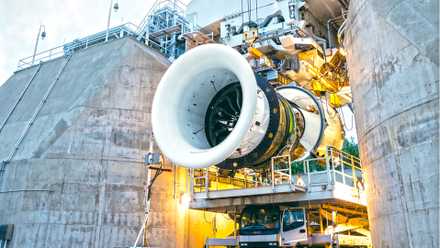
What Makes GE9X The World’s Monster Jet Engine?
Unravel the secrets of the massive GE9X, a jet engine that redefines scale and efficiency in the skies.
The Combustor Liner Durability Issue Became A Major Certification Hurdle

The biggest technical question surrounding the GE9X before certification centered on combustor liner durability. According to Aviation Week’s reporting on the certification process, engineers and regulators focused heavily on understanding the root cause of premature combustor liner wear identified during testing. GE Aerospace ultimately needed to characterize the issue fully and implement a permanent fix before production deliveries could proceed.
Combustor liners are among the most heavily stressed structures inside any turbofan engine. Positioned directly around the combustion process, they are subjected to enormous heat loads, pressure fluctuations, vibration, and continuous thermal expansion cycles. In conventional engines, engineers often had wider operational margins, allowing certain wear patterns to remain manageable over time. The GE9X’s more aggressive thermal architecture significantly reduced those margins.
The challenge was compounded by the engine’s advanced material systems. Ceramic Matrix Composites behave differently from traditional metallic alloys under repeated thermal loading, requiring engineers to understand entirely new long-term wear characteristics. While these materials unlock substantial efficiency benefits, they also create more complex engineering relationships between temperature, airflow, cooling requirements, and structural fatigue.
For airlines, the implications extend far beyond engineering theory. A combustor durability issue can rapidly trigger operational consequences across an airline network. Engines requiring premature shop visits reduce aircraft availability, increase demand for spare engines, and disrupt route scheduling. Carriers remember exactly how similar durability problems escalated into years-long operational headaches for other engine manufacturers.
That industry memory explains why airlines have become so skeptical about next-generation engine promises. Fuel-burn improvements alone no longer convince customers. Instead, carriers increasingly judge new aircraft programs by one metric above all others: whether the engines remain reliably on-wing from the first day of service.
Catch what other flight trackers miss
Emergency squawks, holds, NOTAMs — live signals, no signup.
Open tracker
Catch what other flight trackers miss
Emergency squawks, holds, NOTAMs — live signals, no signup.
Open tracker
Airlines Remain Haunted By The Industry’s Recent Engine Crises

The GE9X is entering commercial service during one of the most cautious periods the engine industry has faced in decades. Airlines continue dealing with the aftereffects of durability failures involving multiple high-profile next-generation engines, fundamentally changing how carriers evaluate technological risk.
The most damaging example remains the Rolls-Royce Trent 1000. Problems involving turbine blade deterioration and corrosion forced repeated inspections and engine removals across the global Boeing 787 Dreamliner fleet. Airlines suddenly found themselves short of aircraft as engines cycled through maintenance facilities, while Rolls-Royce absorbed billions in financial losses and long-term reputational damage.
Pratt & Whitney’s geared turbofan program created similar anxiety more recently. Powdered metal contamination concerns triggered widespread inspections affecting hundreds of aircraft globally. Airlines that had counted on highly efficient next-generation narrowbodies instead faced capacity shortages and schedule instability as engines required accelerated inspections and removals.
Even Rolls-Royce’s Trent XWB-97, despite the broader success of the Airbus A350-1000 program, has drawn heightened durability scrutiny due to the higher stresses associated with its increased thrust levels. Across the industry, airlines increasingly believe that modern engines are reaching unprecedented levels of thermal and mechanical complexity that can expose unexpected durability weaknesses after entry into service.
That context fundamentally changes the pressure facing GE Aerospace and Boeing. Ten years ago, airlines may have accepted several years of reliability maturation after entry into service. In 2026, carriers are far less patient. Fleet utilization is tighter, spare-aircraft inventories are smaller, and post-pandemic supply chains remain constrained. Airlines, therefore, want mature engines immediately, not promises of future fixes.
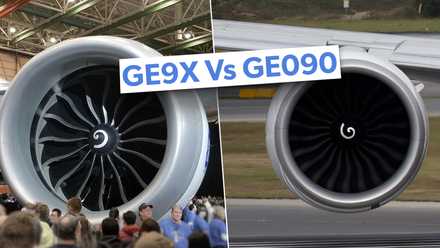
How Much Larger & More Powerful Is The 777X’s GE9X Engine Than The 777’s GE90?
The GE9X may be the largest turbofan ever built, but by just how much does it surpass its mighty predecessor, the GE90?
A Newly Identified Engine Seal Concern Pushed The 777X Further Into Delay

Just as Boeing and GE Aerospace appeared to be nearing the final stages of the 777X certification process, another technical concern emerged in early 2026: a potential issue with engine seal durability.
Although specific technical details remain limited publicly, the significance lies in what the discovery represents. Engine seals play essential roles in high-performance turbofans by managing pressure, airflow paths, lubrication integrity, and thermal containment. In an engine operating under the extreme temperatures and pressures found inside the GE9X, even relatively small sealing problems can lead to broader reliability concerns if not fully resolved.
The timing also intensified industry concern because the 777X program has already become extraordinarily expensive for Boeing. The company has accumulated more than $15 billion in charges tied to the aircraft while the program sits roughly six years behind its original schedule. Every newly identified engineering issue, therefore, reinforces broader fears that the aircraft’s technical maturity process remains incomplete much later than expected.
For airlines planning to introduce the 777-9 on premium international routes, reliability uncertainty creates real operational risk. Ultra-long-haul aircraft are typically deployed on extremely tight utilization schedules, leaving limited spare aircraft available to absorb disruptions. An unexpected engine issue affecting even a small portion of the fleet can therefore ripple quickly across an airline’s international network.
The seal concern also revived broader industry debate about how aggressively modern engine manufacturers have pursued thermal efficiency improvements. Programs such as the GE9X operate closer to engineering limits than earlier generations of commercial turbofans. While those designs promise exceptional efficiency gains, they also reduce tolerance for unexpected material behavior or wear patterns during long-term service.
The 777X’s Commercial Future May Depend Entirely On Dispatch Reliability

The aviation industry often praises specifications such as thrust output, range, or fuel burn reductions. But for airline executives, the defining metric for the 777X may ultimately be dispatch reliability in its first years of commercial service.
If the GE9X performs as intended, the aircraft could become one of the most efficient large twinjets ever built. The combination of advanced aerodynamics, lightweight composite wings, and next-generation engine technology gives the 777-9 strong theoretical advantages on dense intercontinental routes. Airlines replacing older quadjets or aging 777-300ER fleets still see significant long-term economic potential in the aircraft.
But the last decade has fundamentally changed how airlines evaluate those promises. Fuel efficiency only matters when aircraft remain consistently available for service. Every unscheduled engine removal creates operational disruption, maintenance costs, and network instability. After years of dealing with durability crises across multiple engine programs, airlines are no longer willing to accept lengthy post-entry reliability maturation periods.
That reality makes the GE9X combustor fix far more important than a single engineering update buried inside certification documents. It tests whether GE Aerospace successfully balanced thermal ambition with operational durability. If the fix proves successful, the GE9X could become the benchmark for the next generation of ultra-efficient commercial engines. If reliability problems continue emerging after entry into service, however, the 777X risks entering airline fleets under the same cloud of uncertainty that has already damaged several competing engine programs across the industry.