dailynewsnblog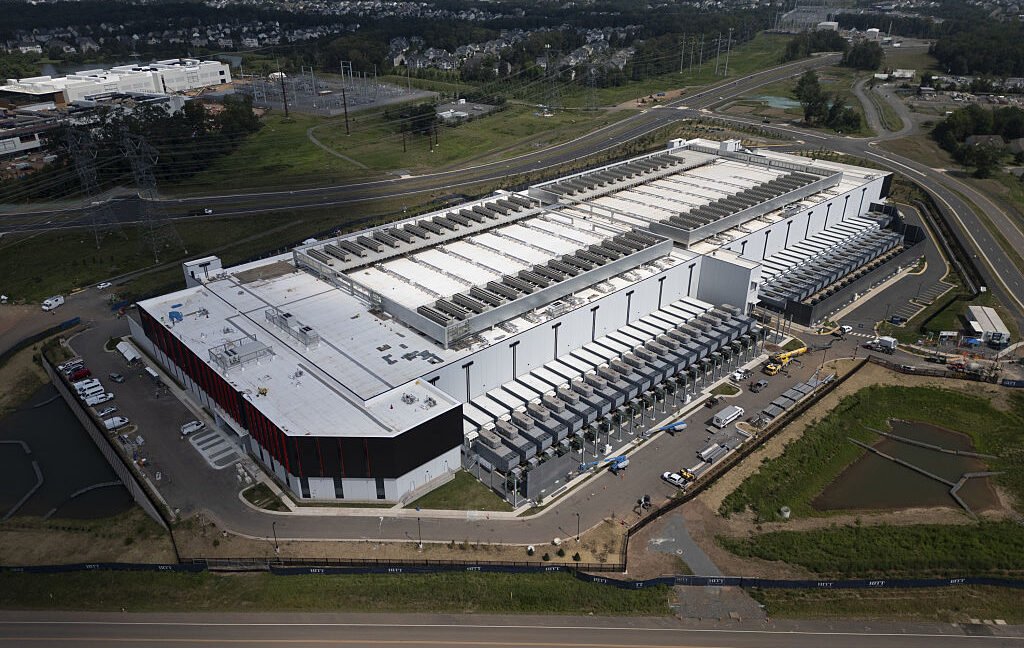
Some tech giants, including Microsoft, OpenAI, and Oracle, have made statements in recent months indicating that they are moving away from evaporative cooling entirely in order to save water. That includes OpenAI and Oracle’s massive Stargate expansion in a number of states, including a water-stressed region of Texas.
Google is taking a different approach. On Wednesday, the company rolled out a series of water-related commitments to communities where it has data centers, along with funding announcements for water-related projects in the US.
They include pledges to replenish more freshwater than the company consumes, via investments in local water projects; to scale up the use of reclaimed and recycled water; and to disclose annual water use in data centers. (Other tech companies, including Microsoft, have similar promises around water replenishment and local investment. Google has been working on most of these pledges for a few years.) There’s also a promise to use “a data-driven framework” to decide what data center designs would work best with local watersheds.
Ben Townsend, the global head of infrastructure and sustainability at Google, says that data center design is a lot more complicated than simply swearing off one type of cooling in all cases. The company, he says, has been doing detailed hydrologic assessments of its sites for the past four years to determine what types of cooling would work best.
“Water is scarce in some regions and plentiful in others,” he says. “A one-size-fits-all strategy just doesn’t work.”
In April, Google defended evaporative cooling for areas with what it called “abundant” water in a filing to the European Union as necessary for developing truly sustainable data centers. Google’s arguments line up with new research from Ren and his team, who found that if all data centers in the US were to adopt some kind of evaporative cooling during peak demand, it could free up an additional 10 to 30 gigawatts of power. In areas where grids are stressed but water resources aren’t, using evaporative cooling could provide a meaningful headroom to utilities trying to balance load.