dailynewsnblog
There is no universal standard when it comes to first class pricing, and the same goes for upgrading to first class from a lower cabin airfare. Even within the airline’s network, pricing varies by timing and route, with very little explaining how airfares are calculated. You can spend anywhere from a couple of hundred dollars to several thousand on a one-way trip.
The decision to book a first class ticket can be a tricky one for budget-conscious travelers who want to ride up front without breaking the bank. A host of considerations come into play, from the airline to the airplane itself, to the distance, and flight time. The best answer varies person by person and flight by flight, but some rules of thumb can help guide the way.
Lots To Consider

In general, the way the math works when considering whether you should upgrade to first class compared to an economy airfare comes down to the value per hour of flight. This is a relatively simple benchmark that provides a generally standardized value comparison between flights. Sources like The Points Guy set a red line at the $50 per hour. To put that in perspective, let’s compare flying transatlantic from New York to Rome, where the flight duration would be somewhere around 8.5 hours.
At the $50 per hour rate, the price tag would be roughly $425. With a major US carrier like American Airlines, a passenger in the Flagship First cabin receives a highly personalized, luxurious experience both on the ground and in the air. Before the flight, passengers can access the premium lounge, which offers chef-inspired buffet meals, premium cocktails, and shower suites. In flight, a first class passenger is seated in a private, spacious suite with a fully lie-flat seat, a large Casper-branded pillow, and a duvet.
Dining service includes a multi-course, chef-curated meal service with proper tableware. The beverage selection of drinks includes wine, beer, and spirits, as well as specialty coffees. A luxury amenity kit and high-quality inflight entertainment suite are also included. On the other hand, taking its first class on the shortest flight currently available with  American Airlines from Chicago (ORD) to Milwaukee (MKE) is significantly different. Paying for the upgrade in this case primarily means a larger seat and priority services, not lie-flat beds or multi-course gourmet meals.
Analyzing The Algorithm

Many airlines use complex, real-time pricing algorithms to fill every seat. If there is high demand for economy seats but an unexpectedly low demand for first class seats on a particular route and date. In that case, the airline may raise the price of the remaining economy tickets while simultaneously offering a discounted first class fare to ensure the premium cabin is not empty.
It’s not possible to outsmart the sophisticated, computer-aided pricing matrix that has been implemented across the commercial aviation industry. However, there are some basic practices that can help maximize your chances of getting a good deal. Looking very early helps, as many airlines begin with lower initial fares to attract early bookings, around 8 to 10 weeks ahead of time. In some cases, even a year early is possible.
Prices fluctuate day to day, but a trend of midweek price dips has been historically observed and is a good rule of thumb when searching for the best ticket prices. Using apps or websites that can track price drops for you greatly simplifies the process. Sometimes, there are even last-minute discount upgrades available via bidding systems, if you feel like gambling.
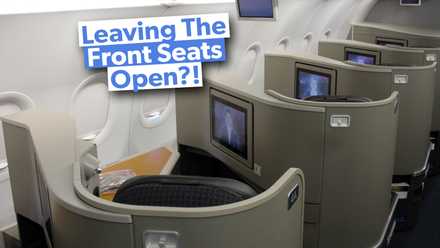
5 Reasons Why Filling Up First Class Is Not Always A Priority
Do you ever wonder why passengers aren’t automatically upgraded into empty first class seats?
An Airfare Is Often The Sum of Its Fees

Economy tickets, especially basic economy, often charge extra for checked bags, carry-ons, seat selection, and meals. First class tickets include many perks, like free checked luggage, airport lounge access, and meals, which can make the total cost comparable or even lower if you are traveling with a lot of baggage.
To evaluate which ticket offers better value, potential travelers must calculate the total all-in cost for each option and then compare that final price against the perceived value of the first class experience, such as comfort, time saved, and amenities. You should start with the base economy ticket price and add every single fee you would realistically incur.
Fee Example | Price Consideration |
|---|---|
Base Ticket Price | Start here. |
Baggage Fees | Add checked bags (usually included with first class). |
Carry-On Fees | Some basic economy fares charge for carry-ons. |
Seat Selection Fees | Economy often charges a premium for aisle/window/extra legroom seats. |
Meals & Drinks | Estimate the cost of airport meals and in-flight snacks/drinks you might purchase. |
Lounge Access | A day pass can cost $50-$75 per person if you value a quiet space to wait. |
Wi-Fi & Entertainment | If these are paid extras in economy. |
The better value depends on your budget and what you prioritize. For a short domestic flight, the difference might not be worth it. For a long-haul international flight where the difference is a couple of hundred dollars, the comfort of a lie-flat bed is often a superior value proposition for many travelers.

7 Airlines Offering First Class Seats On Flights Between The US & Europe: Compared
While such offerings are relatively rare nowadays, they are a real treat for those who can afford them.
Off-Peak Opportunities

Getting a good deal on first class airfare during off-peak seasons is highly possible by leveraging low demand through strategic timing, using miles and points, and being flexible. First class fares tend to be lower on days and times unpopular with business travelers, such as Saturdays, Tuesdays, and Wednesdays, or overnight flights. If economy prices are high due to high leisure demand on those same days, the price gap may narrow or disappear. Traveling when business travelers are not flying is a key strategy for finding cheaper first class tickets.
Planning your travel during less popular months, such as January, February, September, or November, can also help you to find significantly lower prices than during major holidays or summer vacations. Early morning or late-night flights often have lower demand, leaving more first class seats available at potentially discounted rates. Airlines can release discounted first class fares as early as nine to 12 months in advance to fill seats. If the cabin isn’t full, airlines may offer deep discounts on upgrades during online check-in or at the gate.
The Most Affordable Carriers

Japan Airlines and  Etihad Airways are considered to offer some of the most affordable options in the first class segment of commercial airfare. Notably, Etihad also offers one of the most expensive cabin products in the world: The Residence. Still, both airlines are well known for their competitive pricing, which comes up during promotional periods and greatly reduces the price barrier for budget-minded flyers. JAL’s first class is considered a great value because it consistently offers a top-tier experience without the ultra-premium pricing of some Gulf carriers.
It has a reputation for high value relative to its price overall. Many travelers consider it to be an especially good option for booking with miles. JAL’s first class is known for exceptional service and quality, featuring spacious, private suites and gourmet dining options that consistently rank among the highest in the world. Flights to and from the United States are generally very affordable compared to many other carriers when factoring in miles. JAL is particularly affordable when booked using airline miles from partner programs.
These include Alaska Airlines Mileage Plan or American Airlines AAdvantage. While cash prices are still high, they are often lower than those of carriers like Emirates or Singapore Airlines. Despite being known for extreme luxury, Etihad sometimes offers competitive fares on certain routes, especially during off-peak times or specific promotions, to fill its premium cabins. Like JAL, Etihad first class can be booked with partner miles, like American AAdvantage or Asiana Club, for a much lower cost than the cash price.
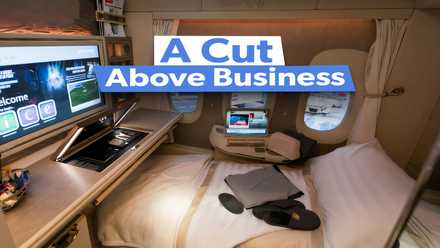
10 Airlines That Still Offer A Long-Haul First Class That’s Much Superior To Business Class
These are a few of the airlines offering superior first-class service on long-haul flights.
The Top Shelf Experiences

Available on Etihad A380s, The Residence is a three-room suite featuring a private living room, a separate bedroom with a double bed, and an en-suite bathroom with a shower plus a personal butler service, costing upwards of $60,000 for a one-way ticket on some routes. Emirates is renowned for its private suites with floor-to-ceiling doors, a personal mini-bar, and onboard shower spas on its A380s.  Emirates first class tickets consistently rank among the most expensive.
Indeed, these often range from $20,000 to over $50,000 one-way for long-haul routes from the US to Dubai. Singapore Airlines’ A380 Suites offer an unparalleled level of space and privacy, including a separate bed and armchair, with the option to combine suites for a double bed. These can also command prices in the tens of thousands of dollars. Known for exceptional service and spacious cabins, Cathay Pacific’s one-way first class seats on some long-haul routes can routinely exceed $20,000.