dailynewsnblog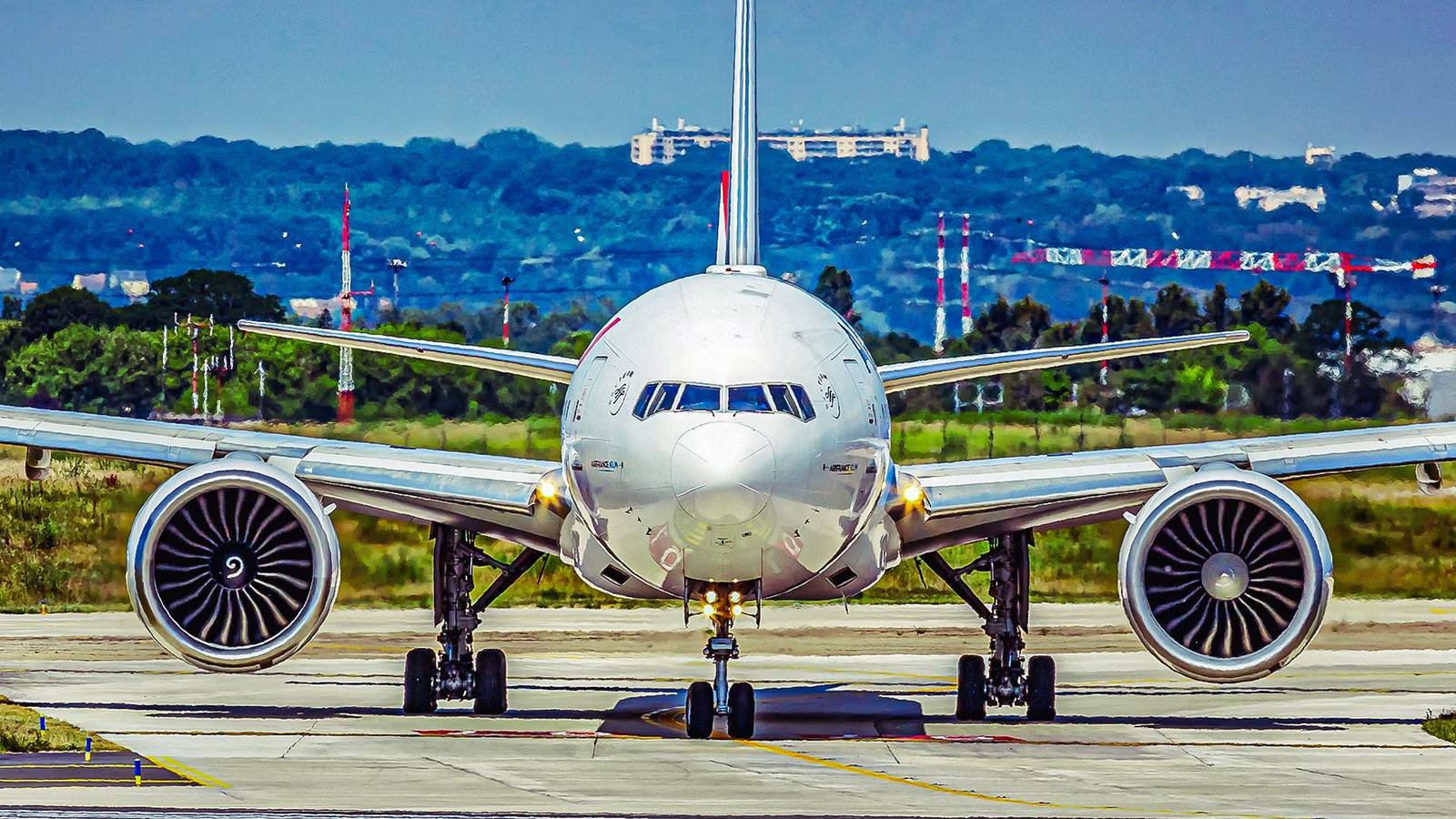
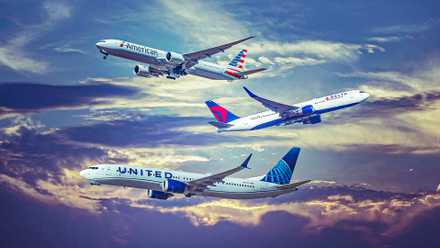
There are few aircraft in commercial aviation that carry as much prestige as the Boeing 777. As one of the world’s most widely used long-haul widebody jets, it plays a crucial role in connecting continents, and the pilots who operate it are among the most experienced in the industry. In 2026, with pilot salaries in the United States reaching record highs, Boeing 777 pilots sit at the top of the pay scale. At the big three US airlines,  American Airlines,
  Delta Air Lines, and
  United Airlines, compensation has risen sharply following a series of new collective bargaining agreements.
These contracts have not only increased hourly pay rates but also improved benefits, retirement contributions, and overall job security. However, as with most airline pilot salaries, the headline figures can be misleading without understanding how pilot pay actually works. Earnings are not based on a fixed annual salary, and factors such as seniority, aircraft type, and flight hours all play a significant role in determining how much a Boeing 777 pilot earns in a given year.
How Does Commercial Pilot Pay Work In 2026?

Unlike many professions, airline pilots in the United States are not paid a fixed yearly salary. Instead, their compensation is based on hourly rates that are negotiated between airlines and pilot unions through collective bargaining agreements. These agreements often outline pay scales that increase over time, meaning that pilots earn more the longer they remain with an airline.
Most major US airlines guarantee pilots between 70 and 85 flight hours per month. A commonly used benchmark is around 75 hours, which translates to approximately 900 flight hours per year. However, pilots are legally limited to a maximum of 1,000 flight hours annually, meaning their total earnings are effectively capped within that range. To estimate a pilot’s annual salary, their hourly rate is multiplied by the number of hours flown. It’s important to understand what counts as a “paid hour.” Pilots begin earning from the moment the aircraft pushes back from the gate and stops when it arrives at its destination. This means that time spent on pre-flight checks, boarding, and post-flight duties is generally unpaid. While this may seem counterintuitive, hourly rates are structured to account for this, ensuring that pilots are still well compensated overall.
Salaries of U.S. pilots in 2025 | |||
|---|---|---|---|
Position | Salary ($) | Experience (Hours) | Timeframe |
First Officer (Regional) | $55k – $80k | 1,500 – 2,500 | 12–24 months |
Captain (Regional) | $85k – $120k | 2,500 – 3,500 | 2–4 years |
First Officer | $120k – $160k | 3,500 – 4,500 | 4–6 years |
Airline Captain | $200k – $239k+ | 5,000+ | 6+ years (long-haul ops) |
Source: Acron Aviation Academy | |||
As pilots gain experience, their earnings increase significantly. The difference between a first officer and a captain is particularly notable, with captains often earning between 50% and 200% more depending on their airline and aircraft type. This gap becomes even more pronounced when moving from narrowbody to widebody aircraft such as the Boeing 777.
How Much Money Do Airbus A380 Pilots Earn In 2026?
A closer look at how much flight crews get paid for operating the world’s largest airliner.
Why Does The Boeing 777 Command Pay Premium?

Aircraft type is one of the most important factors influencing a pilot’s salary, and the Boeing 777 is among the most lucrative aircraft to operate. As a long-haul widebody jet, it is primarily used for international routes that require highly experienced crews. Airlines typically assign these aircraft to their most senior pilots, which naturally drives up pay levels. Compared to narrowbody aircraft such as the Boeing 737 or Airbus A320, widebody jets like the 777 come with significantly higher hourly rates. Even for first officers, the difference can be substantial. For example, pilots flying larger aircraft often earn noticeably higher hourly wages than those flying short-haul routes, even when they have similar levels of experience.
In addition to higher base pay, Boeing 777 pilots also benefit from the nature of long-haul operations. These flights often involve extended time away from home base, during which pilots receive per diem allowances to cover meals and other expenses. These payments are typically tax-free and can add several hundred dollars per month to a pilot’s income. Furthermore, widebody pilots are more likely to benefit from additional compensation such as profit-sharing, bonuses, and enhanced retirement contributions. When combined, these factors make flying the Boeing 777 one of the most financially rewarding positions in commercial aviation.
At major US airlines, Boeing 777 pilots are among the highest earners in the industry. First officers flying the aircraft typically earn well into six figures, with salaries increasing rapidly as they gain experience and seniority. Entry-level widebody first officers may start in the low six figures, but experienced first officers can earn upwards of $250,000 to $300,000 annually. The real jump in earnings comes when a pilot upgrades to captain. At airlines such as American Airlines, Delta Air Lines, and United Airlines, Boeing 777 captains can earn base salaries exceeding $400,000 per year. These figures are based on standard flight hours and do not yet include additional compensation such as overtime or bonuses.
In some cases, total earnings can go significantly higher. With pilot shortages continuing to impact the industry, airlines are increasingly offering premium pay rates to cover additional flights. These rates can reach up to 200% or even 300% of a pilot’s standard hourly wage, allowing captains to substantially increase their annual income. This means that while a typical Boeing 777 captain might earn between $350,000 and $450,000 annually, those who take on additional flying or benefit from favorable schedules can earn considerably more. As a result, widebody captains remain among the highest-paid pilots in the world.
A Look At The Salaries Of The US Big 3 Airline Pilots In 2026
Airlines are in a fierce competition for top talent, and pilots are reaping the rewards.
How Do The Salaries Of US 777 Pilots Compare Globally?

Although Boeing 777 pilots in the United States are among the highest-paid globally, other regions also offer competitive salaries. In China, for example, experienced widebody captains can earn between $300,000 and $500,000 annually. This is largely driven by rapid industry growth and a strong demand for experienced pilots. In Europe, however, salaries tend to be lower. Long-haul captains flying aircraft such as the Boeing 777 or Airbus A350 for major carriers typically earn around €250,000 per year. While still a strong salary, differences in taxation and labor agreements mean that US pilots often take home more overall.
The Middle East presents a different model altogether. Airlines in this region frequently offer tax-free salaries along with generous benefits packages, including housing allowances and education support. While base salaries may sometimes be lower than in the US, the overall compensation package can be highly attractive. Despite these global variations, the United States remains one of the most lucrative markets for Boeing 777 pilots. Strong unions, competitive airline contracts, and ongoing pilot shortages continue to push salaries upward, particularly at major legacy carriers.

How Much Do Boeing 787 Dreamliner Pilots Make In 2026?
Discover the world of airline pilot salaries, where earnings are determined by factors like seniority, aircraft type, and annual flying hours.
Should You Still Become A Boeing 777 Pilot In 2026?

The good news for everyone who decides to become a pilot is that the demand for commercial pilots will remain strong over the next decade. The US Bureau of Labor Statistics projects a 5% increase in employment opportunities for commercial pilots between 2024 and 2032, compared to only 3% for all jobs. Driving this are the increasing number of pilots retiring and the expected growth in global travel demand overall. This is already resulting in shortages today, and it is not expected that supply will exceed demand anytime soon. As a result, pilots are also likely to see an increase in salary and benefits, in addition to job guarantees.
However, becoming a widebody pilot is not something that happens overnight. It represents a major career milestone that typically requires years of experience and progression through the ranks. Most pilots begin their careers at regional airlines after completing flight training and obtaining the required flight hours for an Airline Transport Pilot (ATP) certificate. From there, pilots move to major airlines as first officers, where they gradually build seniority. Early in their careers, they are usually assigned to smaller narrowbody aircraft before eventually transitioning to larger widebody jets such as the Boeing 787 or 777. This process can take several years, although current pilot shortages have shortened timelines in some cases.
According to Acron Aviation Academy, a first officer at a regional airline earns between $55,000 and $80,000. At a major airline such as Delta Air Lines or United Airlines, a first officer’s salary grows into the six figures, ranging from $120,000 to $160,000. On the other hand, a captain at a regional airline earns between $85,000 and $120,000, whereas a captain at a major airline earns more than $200,000.
Upgrading to captain is another major step, requiring both experience and seniority within the airline. Once a pilot becomes a captain on a widebody aircraft such as the Boeing 777, they reach the upper tier of the profession in terms of both responsibility and compensation. While not every pilot will reach this level, those who do benefit from a combination of high salaries, strong job security, and the opportunity to operate one of the most advanced aircraft in commercial aviation. In 2026, with salaries continuing to rise and demand for pilots remaining strong, the Boeing 777 remains one of the most desirable aircraft to fly, both professionally and financially.