dailynewsnblog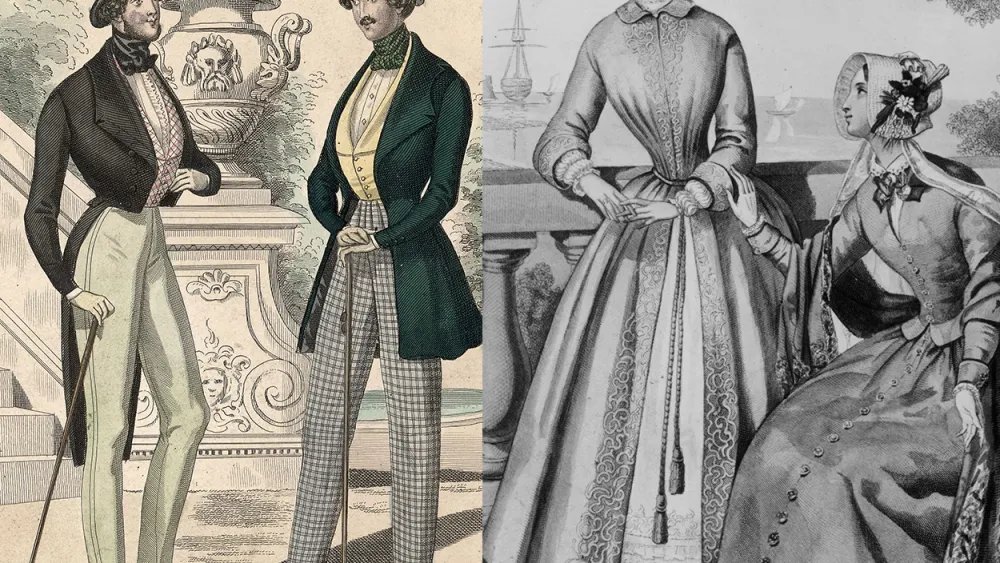
The formative years of American style often reflected an examination of European aesthetics, redefined through an American lens. Ideas about day and evening costume were shaped by populous cities like New York and its changing urban landscape.
In 1826, Samuel Lord opened a dry goods store; four years later, George Washington Taylor joined him and the business became Lord & Taylor, which WWD captured in 1913, a year before opening the retailer Fifth Avenue flagship location, which operated from 1914 until 2019. Located near Brooks Brothers and A.T. Stewart’s Original Marble Palace in Lower Manhattan, the original store helped shape the early development of New York’s retail and garment industries.

“Lord and Taylor’s New Fifth Avenue Store,” WWD, Aug. 29, 1913.
Fairchild Archive
Fashion of the Romantic era gave way to Victorian stylings and, later, the reformer, or “rational dress,” movement. Widely documented innovations included modular bodices, the return of corsetry — soft or structured — and the introduction of early pants for women.

Amelia Jenks Bloomer, who introduced the fashion for Bloomers, ca. 1950.
Getty Images
Roomy, Turkish style trousers worn under simpler dresses became part of reform dress, introduced by Elizabeth Smith Miller and championed by Amelia Bloomer, who wore them in the early 1850s to advocate for women’s liberation in dress. Politicized and controversial, the Bloomer costume would not achieve wider fashionable popularity until the end of the 19th century.
At the same time, mainstream fashion favored exaggerated gigot sleeves, broad collars, elongated waistlines and floor-length bell-shaped skirts, silhouettes that also influenced architecture and domestic decor.

Morning dresses with draped bodices, gigot sleeves and belted waists, 19th century.
Getty Images
Menswear evolved alongside these shifts and through the disruptive interludes of war. Uniform production and the growth of industrial manufacturing — driven by the growth of professionals jobs, skilled labor, and America’s expanding wealthy class — elevated civilian dress. These sectors also advanced standardized sizing, helping pave the way for ready-to-wear suiting, first sold by Brooks Brother in 1849. By midcentury, the business rooted in Lower Manhattan was becoming a merchant’s and shopper’s paradise, with New York emerging as the center of large scale garment production in America.