dailynewsnblog
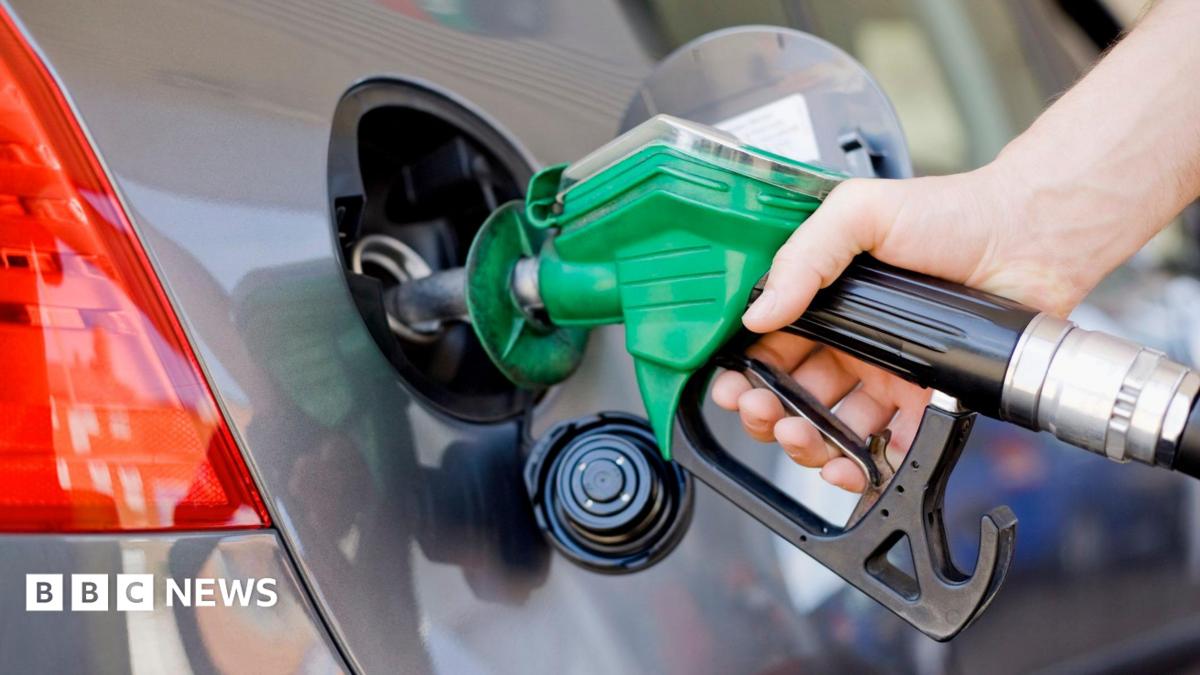
“OK, so that creates the explosion.” We’re in western Cuba, where the price of gas has reached as much as $30 a gallon. Humberto Palmero is trying to increase his mileage by pulling hydrogen from water to create combustion for his engine. We came here to see how Cuba is managing an unprecedented energy crisis and found residents are finding new ways to survive. In January, the Trump administration began blocking fuel shipments to Cuba in a blatant effort to squeeze the island and force the government to collapse. “Are you considering U.S. action in Cuba?” “We’re not. I think it’s just going to fall.” Six months later, the government is still standing and struggling to meet basic needs. And yet, Cubans are working through and around the crisis and improvising to power their lives. David Gonzalez has created one of Havana’s hottest venues by powering concerts entirely off a lithium battery he imported from Spain. He uses his battery to fuel parties for artists and activists at his childhood home, which in Cuba is both an act of resilience and resistance. Across the island, we saw how Cubans are adapting to their circumstances. They’re installing solar panels on their homes and vehicles, and they’re modifying gasoline generators to run off natural gas connections. By innovating, they’ve allowed the nation to stretch its fuel supply much longer than the Trump administration had bet. “How much longer do you think Cuba can really survive without significant intervention from an ally, or some significant change in U.S. policy?” “Wondering, though, do you have a month before it becomes too difficult to bear? Or is it several months, or is it a year? How long can you go on like this?” As the fuel crisis continues, Cubans like Humberto say they’ll continue surviving. How they always have: a lo cubano — the Cuban way.